What Can Different Period Blood Colors Mean?


- What causes brown period blood?
- The beginning or end of your period
- Pregnancy
- Lochia
- Missed miscarriage
- Perimenopause
- Polycystic ovarian syndrome (PCOS)
- What causes dark red period blood?
- The end of your period
- Lochia
- What causes bright red period blood?
- Infection
- Miscarriage
- Uterine polyps or fibroids
- Adenomyosis
- What causes pink period blood?
- Lochia
- Low estrogen
- Ovulation
- Miscarriage
- What causes orange period blood?
- Implantation spotting
- Infection
- What causes gray period blood?
- Infection
- Miscarriage
- What causes black period blood?
- Stuck or forgotten object
- Infection
- Missed miscarriage
- Lochia
- Other frequently asked questions
- Is it natural for the color to be different at the beginning and end of your period?
- What if your period blood is watery or filled with clots?
- When to consult a doctor or other healthcare professional
- The bottom line
Menstrual blood can appear in a range of shades throughout your cycle, from bright red to pink to brown.
If you drop trou on your period and notice something other than classic red, try not to stress. Period blood isn’t always the same color, and variations are common. In fact, concerns like Period blood bright red and watery with cramps are frequently searched because shifts in color and texture can feel alarming — but they’re often completely normal.
Different hues usually aren’t a cause for worry. Still, in some cases, a color change may signal something that deserves a conversation with a healthcare professional.
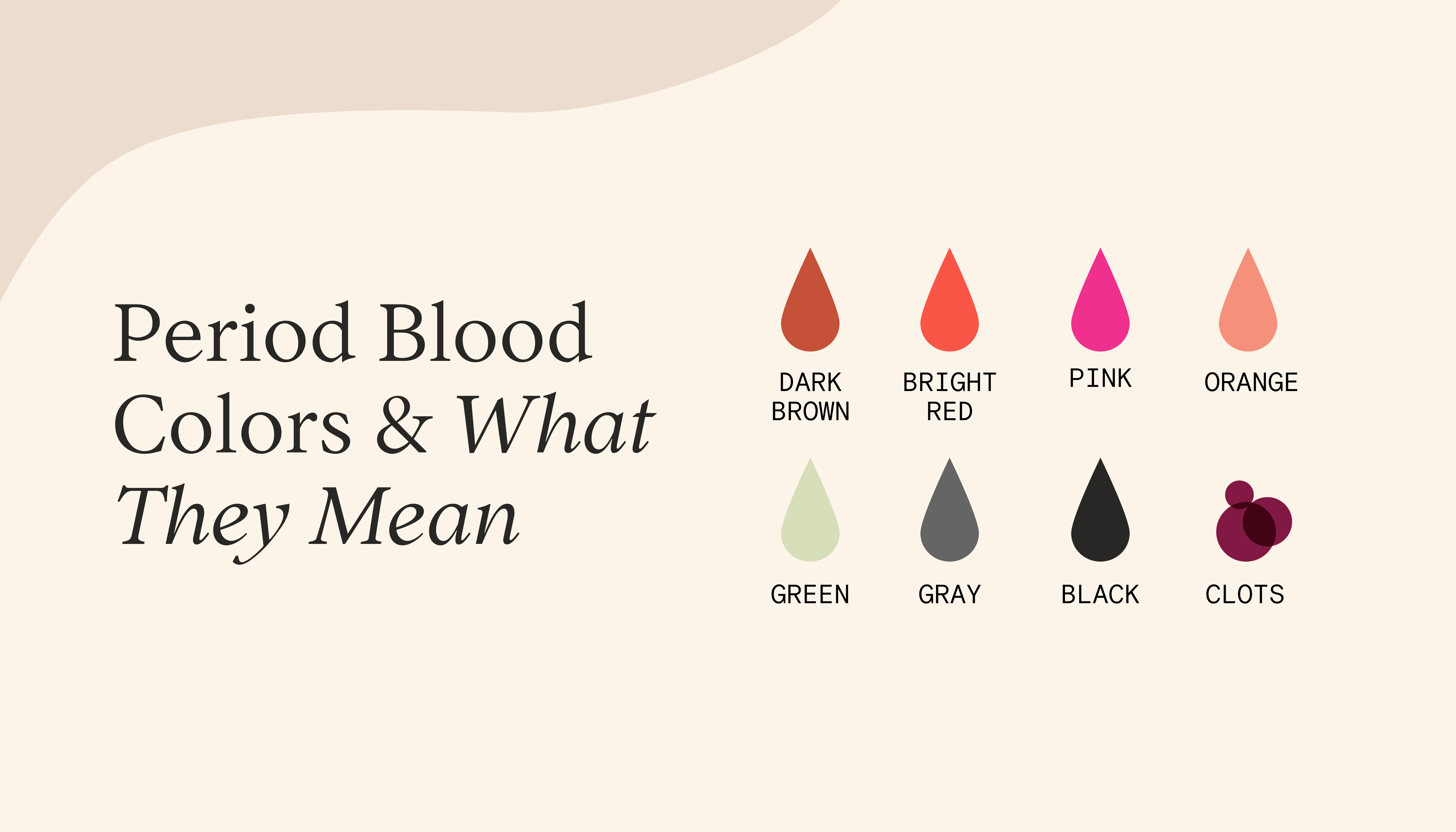
What causes brown period blood?
Brown discharge is typically older blood that has had time to oxidize, which explains the darker shade. It may be connected to several situations:
The beginning or end of your period
Your menstrual flow tends to move more slowly at the start and finish of your period, meaning it takes longer to leave your body.
The longer blood remains in the uterus, the more opportunity it has to oxidize, giving it a brown appearance. Sometimes, brown blood may simply be residual blood from your last cycle.
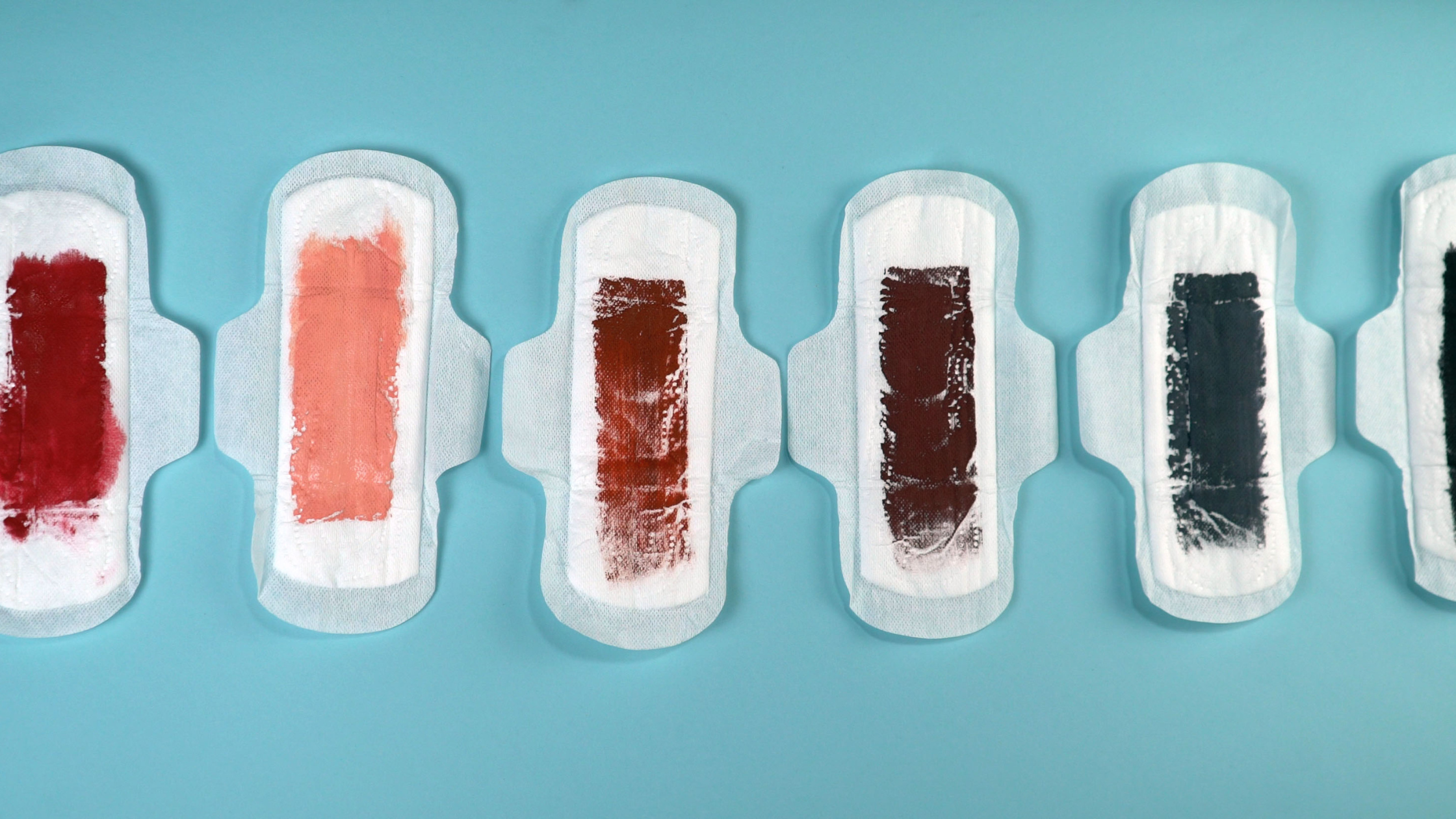
Pregnancy
Brown bleeding or light spotting can indicate implantation bleeding, an early sign of pregnancy. This usually happens about 10 to 14 days after conception.
Other possible signs and symptoms of implantation include:
- mild cramps
- swollen breasts
- nausea
- vomiting
If you’re unsure whether light brown or watery bleeding is menstrual or pregnancy-related, learning more about Watery period blood sign of pregnancy may help you better understand the differences.
Lochia
Lochia refers to postpartum bleeding that continues for the first four to six weeks after childbirth.
This bleeding often begins heavy and bright red, then gradually becomes pinkish or brown by about the fourth day.
Missed miscarriage
Although miscarriage is commonly linked to bright red bleeding, some people experience what’s known as a missed miscarriage, sometimes called a “missed abortion” or “silent miscarriage.”
In a missed miscarriage, the pregnancy stops developing, but the tissue does not pass from the uterus for at least 4 weeks. Rather than heavy bleeding, there may only be dark brown spotting or light bleeding.
Any bleeding during pregnancy should be evaluated by a healthcare professional.
Perimenopause
Changes in estrogen levels during perimenopause influence the uterine lining.
This hormonal fluctuation can alter the frequency, consistency, and color of your flow, including episodes of brown period blood or spotting at unexpected points in your cycle.
In most instances, brown blood is simply blood and uterine tissue exiting the body.
Symptoms of perimenopause vary in intensity. In addition to menstrual changes, you might notice hot flashes, vaginal dryness, or sleep disturbances.
For reference, the average age of menopause is 51, although perimenopause may begin as early as your 30s.
Polycystic ovarian syndrome (PCOS)
PCOS can interfere with ovulation. When ovulation doesn’t occur, the uterine lining may build up but not shed normally, resulting in light or missed periods along with brown discharge between cycles.
Additional PCOS symptoms to discuss with a healthcare professional include:
- excess hair growth
- weight gain
- trouble getting pregnant
- acne
What causes dark red period blood?
You may observe dark red period blood when you first wake up or after lying down for an extended time.
The deeper red tone is often due to gravity keeping blood in the uterus briefly — but not long enough for it to oxidize and turn brown.
Dark red blood is also linked to:
The end of your period
Dark red blood toward the close of your period may simply reflect a slower flow.
Lochia
Postpartum bleeding is typically dark red and heavy during the first three days. After that, the color deepens further as the bleeding gradually decreases.
What causes bright red period blood?
Fresh blood that exits the body quickly — such as at the start of your period — appears bright red. For some people, the flow remains bright red throughout the cycle. For others, it darkens as the flow slows.
Questions about Period blood bright red and watery with cramps are common, especially when the bleeding seems thinner than usual. In many cases, bright red watery blood simply means the flow is moving quickly.
Bright red blood may also be associated with:
Infection
Certain sexually transmitted infections (STIs), including chlamydia and gonorrhea, can cause bleeding between periods.
STIs may also produce:
- foul-smelling discharge
- pain during penetrative sex
- pain or burning when you pee
If you think you may have an STI, consult a healthcare professional for testing.
Other infections, such as bacterial vaginosis or yeast infections, may also trigger bleeding due to vaginal irritation.
Miscarriage
Bleeding or spotting during pregnancy doesn’t always mean miscarriage, but it can. Any pregnancy-related bleeding should be assessed by a healthcare professional.
A miscarriage may involve bright red bleeding or clots. Some individuals also experience abdominal pain, cramping, or dizziness.
Uterine polyps or fibroids
These noncancerous growths in the uterus can cause heavier bleeding during your period or at other times in the cycle.
They vary in size and may also lead to pelvic pain or a feeling of pressure.
Adenomyosis
Adenomyosis happens when tissue that normally lines the uterus grows into the muscular wall, causing thickening.
This condition may result in heavy, painful periods, persistent pelvic discomfort, and pain during penetrative sex.
What causes pink period blood?
Pink blood at the beginning or end of menstruation — especially spotting — is often blood diluted with cervical fluid.

Pink blood may also be linked to:
Lochia
Starting around day four, lochia may appear pinkish or brownish.
Low estrogen
Pink menstrual blood can sometimes signal low estrogen levels. Estrogen stabilizes the uterine lining.
When estrogen is low, the lining may shed at unexpected times in your cycle, leading to spotting in shades such as pink.
Perimenopause, menopause, and estrogen-free hormonal birth control methods — like the minipill or a hormonal IUD — can all contribute to lower estrogen.
Ovulation
Some individuals notice spotting around ovulation, which typically occurs mid-cycle.
Ovulation also increases cervical fluid, which can dilute blood and make it appear light red or pink. If you’re curious how this differs from early-cycle changes, you can read more about Watery period blood first day patterns.
Miscarriage
If you’re pregnant, a sudden flow of clear or pink fluid from the vagina may indicate miscarriage.
Other miscarriage symptoms include:
- cramping
- passage of tissue
- loss of pregnancy symptoms
What causes orange period blood?
Orange discharge can occur when blood mixes with cervical fluid. Orange-colored blood may also be associated with:
Implantation spotting
Some people report pink or orange spotting around the time implantation may occur — about 10 to 14 days after conception.
Not everyone experiences implantation spotting, but when it happens, it can vary in color. If spotting doesn’t progress into a full period, consider taking a pregnancy test.
Infection
Unusual or abnormally colored discharge may indicate a bacterial infection or STI.
Other STI-related symptoms can include a foul odor and pain during urination or penetrative sex.
What causes gray period blood?
Menstrual blood should not appear gray or off-white. If you notice this shade, seek medical advice.

Possible causes include:
Infection
This color may suggest an infection such as bacterial vaginosis. Other symptoms can include:
- itching
- foul odor
- fever
- pain
Miscarriage
If you’re pregnant, gray discharge can signal miscarriage. Tissue passing from the vagina may also appear gray.
What causes black period blood?
Black period blood can be unsettling, but like brown blood, it is usually older blood that remained in the uterus longer than usual. This commonly happens on lighter flow days at the beginning or end of your cycle.
Less common causes of black discharge include:
Stuck or forgotten object
Black discharge may indicate that a foreign object is lodged in your vagina (it happens ). For example, you might forget to remove a tampon or accidentally insert a second one.
Other possible objects include sex toys, menstrual cups, diaphragms, caps, or condoms.
Over time, these objects can irritate the vaginal lining and lead to infection.
In addition to black discharge, you might notice a foul odor, itching or rash in or around the vagina, and fever.
Seek medical attention promptly if you suspect something is stuck.
Infection
Pelvic inflammatory disease and STIs may cause abnormal bleeding and discharge.
Heavy discharge of any color with a strong odor may be accompanied by:
- bleeding during or after sex
- painful urination
- itching
- pelvic pain or pressure
- spotting between periods
Missed miscarriage
Black spotting or bleeding can be a sign of a missed miscarriage, when the pregnancy stops developing but does not pass from the body for 4 weeks or more.
Aside from dark brown or black spotting, there may be no additional symptoms.
Lochia
Lochia may begin as heavy red bleeding with clots and then gradually decrease, turning brown after day four.
If the flow slows significantly, it can become dark brown or black.
Other frequently asked questions
Is it natural for the color to be different at the beginning and end of your period?
Yes. Menstrual blood can shift in color from start to finish. You might even notice differences from month to month.
Typically, changes from bright red to dark red to brown relate to flow speed and how long the blood remained in the uterus.
Flow is often heavier and faster at the beginning and lighter toward the end. You may also see dark red blood after lying down for a while and bright red blood on heavier days.
What if your period blood is watery or filled with clots?
Watery period blood often indicates fresh blood leaving the uterus quickly. People concerned about Period blood bright red and watery with cramps should know that thinner consistency alone isn’t usually a problem.
Clots are also generally normal and occur as the uterus sheds its lining. However, size matters.
If you pass clots larger than a quarter, mention it to a healthcare professional. The same applies if clots accompany very heavy bleeding.
Heavy bleeding, known as menorrhagia, may or may not include clots and can lead to anemia, causing fatigue and shortness of breath.
When to consult a doctor or other healthcare professional
A healthy period can vary in color and consistency, but certain changes should be evaluated.
If your period lasts longer than 7 days or you soak through a pad or tampon every hour or two, schedule an appointment.
Other reasons to seek care include:
- cycles that are irregular or change dramatically in length
- cycles shorter than 24 days or longer than 38 days
- no period for three months or more
- bleeding accompanied by severe pain
- bleeding between periods
- bleeding after menopause
- spotting or bleeding during pregnancy
- gray discharge, which may indicate miscarriage or infection
The bottom line
The color and texture of your menstrual blood can vary from one cycle to the next — or even from day to day — especially during life transitions like early menstruation or the approach to menopause.
Most color changes are harmless. Still, tracking patterns such as Period blood bright red and watery with cramps and noting any additional symptoms can help you recognize when something feels different.
If you’re ever uncertain or concerned, don’t hesitate to reach out to a healthcare professional for guidance and reassurance.
Help Center FAQs
Bright red, watery blood often indicates a fast flow of fresh blood and can be normal, especially at the start of your period. When accompanied by typical menstrual cramps, it’s usually not a cause for concern. However, severe pain or other unusual symptoms warrant a doctor’s consultation.
Brown period blood is usually older blood that has taken longer to exit the uterus, allowing it to oxidize and darken. It’s common at the beginning or end of a period, but can also be linked to pregnancy, perimenopause, or conditions like PCOS.
Gray discharge is not normal and may indicate an infection like bacterial vaginosis or a miscarriage. Black blood is often just very old oxidized blood, but if accompanied by foul odor, fever, or pain, it could signal a retained object or infection requiring medical attention.
Yes. Unusual colors like orange or gray, especially when combined with symptoms like foul odor, itching, or pain during urination, can be signs of a sexually transmitted infection (STI) or other vaginal infection. A healthcare professional should evaluate these symptoms.
Small clots are common, but passing clots larger than a quarter frequently, or experiencing them with very heavy bleeding (soaking a pad hourly), should be discussed with a doctor as it may indicate menorrhagia or other underlying conditions.
Read Next

Arbonne Diet Review: Overview, Effectiveness, and More

Does Tribulus Terrestris Really Work? An Evidence-Based Look

Habba Syndrome: What It Is and What to Do About It

The 9 Best Mouthwashes For Whitening, Cavities, Gums, Breath, and More

What Is Squid Ink, and Should You Eat It?

A Beginner’s Guide to Pegging
Related Posts

Pregnancy Yoga Stretches for Back, Hips, and Legs
Sep 15, 2026 • 34 min read
Best At-Home Iron Test to Check for Iron Deficiency
Aug 18, 2026 • 35 min read
Health Benefits of Hawthorn Berry
Aug 24, 2026 • 24 min read
Everything You Should Know About Health Benefits of Ginger Oil
Aug 29, 2026 • 26 min read
Rexulti (Brexpiprazole) Overview
Aug 15, 2026 • 6 min read