6 Unique Benefits of Black Grapes

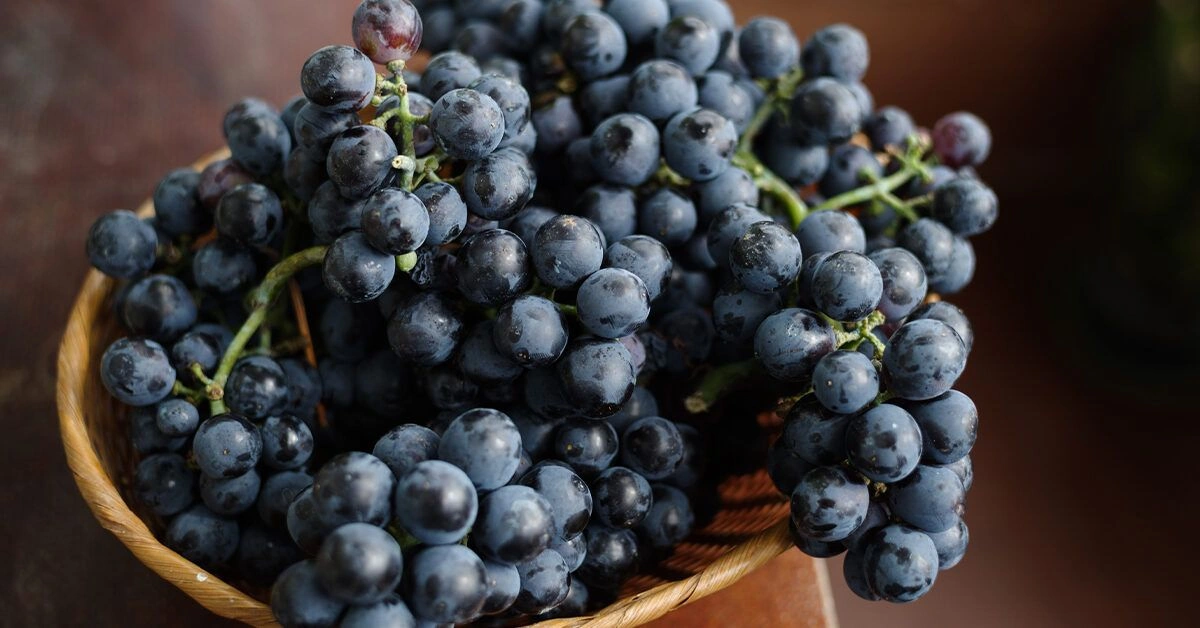
Black grapes are small, sweet fruits — well-known for their deep bluish‑purple hue that often appears nearly black.
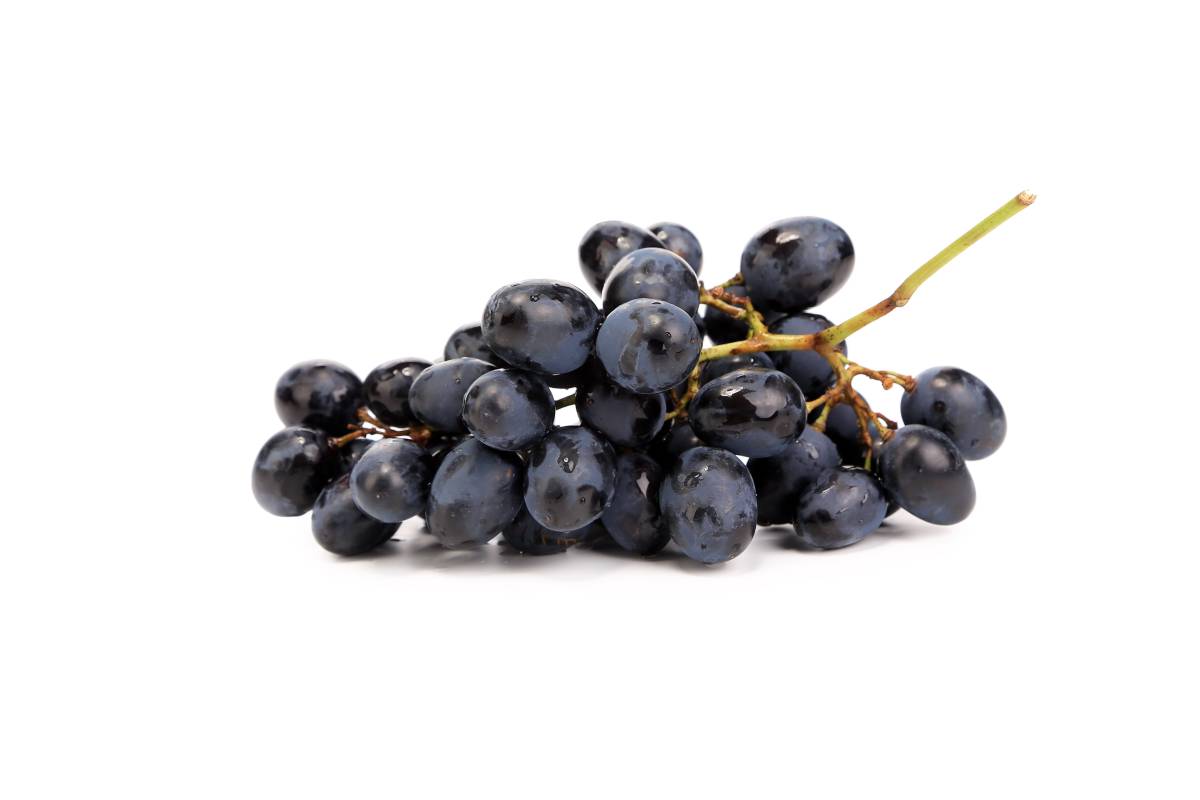
That striking color is due to a high concentration of anthocyanins, antioxidants that give many black, purple, and blue fruits and vegetables their pigments. Anthocyanins also color foods like blackberries, blueberries, eggplant, and purple cauliflower (1 ).
There are many varieties, including seeded and seedless types, and most are commonly used in red wine production.
Still, black grapes make a healthy snack or a tasty dessert option.
This piece examines six health advantages of consuming black grapes.
1. Tasty and nutrient-dense
A primary benefit of black grapes is their nutrient profile. One cup (138 grams) of seedless black grapes supplies (2 ):
- Calories: 90
- Carbs: 24 grams
- Fiber: 1 gram
- Protein: 1 gram
- Fat: 1 gram
- Vitamin C: 17% of the Daily Value (DV)
- Vitamin A: 11% of the DV
- Iron: 2% of the DV
Like most fruits, black grapes are mainly a carbohydrate source and contribute minimal fat and protein. They do, however, supply useful amounts of vitamins C and A.
Vitamin C is a water-soluble nutrient your body uses to enhance iron absorption, build collagen, and support immune function. It also acts as a potent antioxidant that may help lower the risk of some chronic conditions (3 ).
Vitamin A is fat-soluble and plays roles in immune health, cell growth and development, and vision maintenance (4 ).
Summary: Black grapes are primarily a carbohydrate food that also provides notable amounts of vitamins C and A.
2. High in antioxidants
Beyond vitamin C, black grapes are loaded with several antioxidant compounds.
Antioxidants help counter oxidative stress, which arises when free radicals accumulate. Oxidative stress contributes to chronic diseases such as diabetes, cardiovascular disease, and cancer (5 ).
Black grapes are rich in polyphenols, a class of compounds with substantial antioxidant effects.
As noted, the deep color of black grapes is due to anthocyanins — the main polyphenol group in the fruit (1 ).
Resveratrol is another important antioxidant in black grapes, studied for its possible anti-cancer, anti-inflammatory, and anti-aging properties (6 , 7 ).
Most of these antioxidants concentrate in the grape skins, which contain additional compounds like catechins, epicatechins, caffeic acid, catechin gallate, and gallic acid (1 , 8 ).
Grape seeds also boast substantial amounts of these beneficial phytochemicals (9 ).
Summary: Black grapes are abundant in polyphenols, notably anthocyanins and resveratrol, giving them powerful antioxidant effects that may help reduce oxidative stress and lower chronic disease risk.
3. May support cardiovascular health
The antioxidant actions of anthocyanins and resveratrol have been linked to a decreased risk of heart disease. Including black grapes in your diet might support heart health (10 ).
Anthocyanins may protect against atherosclerosis — plaque accumulation in arteries — by lowering oxidative stress and inflammation (11 , 12 ).
They may also decrease arterial stiffness, improving circulation and helping to lower blood pressure, and can lower both total and LDL (bad) cholesterol (12 ).
Resveratrol, based on lab and animal research, may enhance blood vessel function, reduce inflammation, and inhibit plaque formation, which could lower the risk of atherosclerosis and stroke (7 , 13 ).
Summary: Anthocyanins and resveratrol from black grapes may help lower heart disease risk by preventing atherosclerosis and improving cholesterol levels.
4. Possible anti-diabetic effects
Polyphenols in black grapes may have anti-diabetic properties that support blood sugar regulation (14 ).
Diabetes is characterized by chronically elevated blood sugar and impaired insulin regulation (15 ).
In vitro studies indicate resveratrol can activate SIRT1, a protein that helps reduce insulin resistance (16 ).
Animal experiments also suggest resveratrol may lower insulin resistance and enhance insulin secretion, potentially easing diabetes-related complications (15 ).
Human trials indicate resveratrol might improve blood sugar control and decrease insulin resistance in people with type 2 diabetes (15 ).
That said, evidence is mixed and more high-quality clinical trials are necessary to clarify resveratrol’s effects on glycemic control.
Summary: Resveratrol in black grapes may aid blood sugar regulation and lower insulin resistance, but further research is required.
5. Potential anti-cancer effects
Resveratrol and anthocyanins may offer black grapes cancer-fighting potential.
Research indicates these antioxidants can hinder tumor growth and spread, affecting cancer progression (7 , 13 , 17 , 18 ).
They may also trigger apoptosis — programmed death of malignant cells (13 , 17 ).
Lab studies show resveratrol’s anticancer activity against various cancers, including stomach, breast, liver, thyroid, ovarian, and prostate malignancies (7 , 13 ).
Similarly, in vitro and animal research supports anthocyanins’ effects against gastric, skin, colorectal, cervical, and breast cancers (17 ).
However, large human studies have not consistently shown lower cancer risk with anthocyanin intake, so more research is needed to determine whether eating black grapes prevents cancer in people (17 ).
Summary: Antioxidants in black grapes may inhibit tumor growth and spread, but additional human research is necessary.
6. Other possible advantages
Antioxidants in black grapes might also benefit hair and skin health and offer antimicrobial effects.
These areas are less thoroughly studied compared with the benefits discussed earlier.
Here’s a brief overview of the available evidence:
May improve skin health
Some studies suggest anthocyanins and other grape antioxidants may help against certain skin cancers and aid in treating minor skin issues like acne (19 ).
Black grape antioxidants may shield skin from harmful UV radiation effects, such as sunburn, swelling, hyperpigmentation, and even skin cancer (20).
UV exposure also generates free radicals and oxidative stress that can accelerate skin aging, leading to wrinkles, dryness, and fine lines (20).
While grapes and grape-derived extracts are considered for cosmetic formulations, most skin benefits rely on topical application rather than eating the fruit.
In short, consuming black grapes may not yield the same results as applying grape-based creams or serums directly to the skin.
May have antimicrobial activity
Compounds in grape skins can act as antimicrobial agents, inhibiting growth of antibiotic-resistant bacteria and toxin-producing molds (1 ).
In vitro tests showed antibacterial effects against organisms linked to foodborne illness, such as Staphylococcus aureus, Enterococcus faecalis, and Enterobacter aerogenes (1 ).
Antifungal activity was observed against toxin-producing molds like Penicillium chrysogenum, Penicillium expansum, Aspergillus niger, and Aspergillus versicolor (1 ).
However, evidence is lacking on whether eating grapes produces similar antimicrobial effects in humans.
May encourage hair growth
Test-tube, animal, and some human studies suggest resveratrol may stimulate hair growth (21 , 22 ).
Findings indicate resveratrol can trigger the hair cycle to move from the telogen (resting) phase into the anagen (growth) phase, promoting hair growth (21 , 22 ).
It may also protect follicles from oxidative damage and enhance hair density (23 ), and animal research has shown increases in follicle numbers in young rodents (22 ).
Again, most of these effects depend on topical application of resveratrol, so more study is needed to confirm whether eating black grapes directly promotes hair growth. For related natural hair treatments, see black tea for hair.
Summary: Laboratory, animal, and some human research support potential benefits of grape antioxidants for skin, hair, and antimicrobial activity, but more studies are required to confirm effects from eating the fruit.
The takeaway
As with other grape varieties, the primary advantages of black grapes stem from their rich antioxidant content, particularly anthocyanins and resveratrol.
These compounds have been studied for beneficial effects on heart health, blood sugar regulation, and potential anti-cancer activity.
Although there is some evidence suggesting benefits for skin, hair, and antimicrobial properties, additional research is needed to fully establish those effects.
One simple tip
Today’s suggestion: on warm days, reach for a chilled bowl of black grapes instead of sugary sodas or ice treats. You’ll get a refreshing snack plus the antioxidant perks of the fruit — and you can also explore the benefits of grapes for more ideas.
Frequently Asked Questions
Black grapes are rich in antioxidants like anthocyanins and resveratrol, which may support heart health, reduce oxidative stress, aid blood sugar regulation, and offer potential anti-cancer properties.
Compounds in black grapes can reduce inflammation and oxidative stress, lower LDL cholesterol, and improve blood vessel function, all of which may help decrease the risk of atherosclerosis and heart disease.
Polyphenols such as resveratrol may improve insulin sensitivity and blood sugar control in some studies, but evidence is mixed and more human trials are needed for firm conclusions.
Research suggests grape antioxidants can benefit skin and hair, but many positive effects come from topical applications. Eating black grapes may still offer general antioxidant support that could indirectly help skin and hair health.
For most people, black grapes are safe and nutritious. Consume in moderation due to natural sugars; those with diabetes should monitor portions. Individuals with allergies or people on certain medications should consult a healthcare provider.





Related Posts

Calorie Counts for Fried Rice: Vegetable, Beef, Chicken, Pork, and Shrimp
Aug 5, 2026 • 27 min read
8 Surprising Health Benefits of Cloves
Jul 30, 2026 • 9 min read
Club Soda, Seltzer, Sparkling Water, and Tonic Water: A Comparison
Aug 7, 2026 • 4 min read
What’s the Benefit of Poppyseed Oil?
Aug 25, 2026 • 36 min read
Is Ovaltine Healthy? All You Need to Know
Aug 5, 2026 • 10 min read