
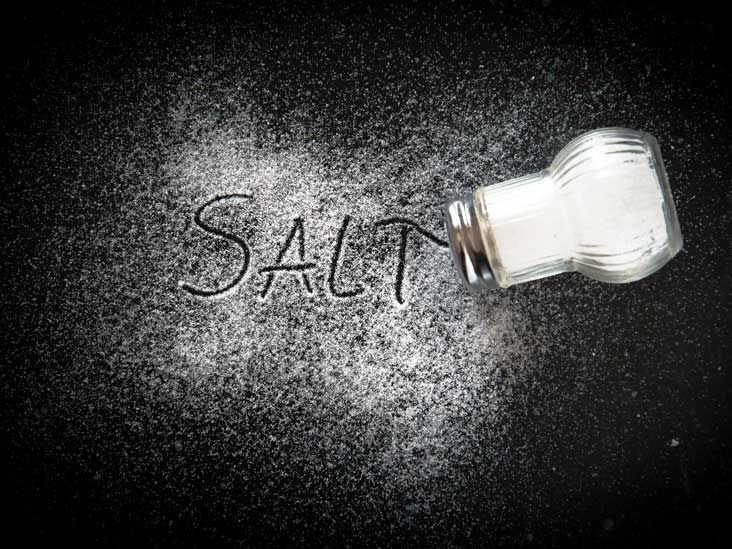
Salt is a naturally occurring mineral compound that has been used for centuries to enhance the taste of food.
Beyond improving flavor, it also functions as a preservative and can help inhibit the growth of bacteria (1).
In recent decades, however, salt has developed a negative image and has been associated with health concerns such as high blood pressure, heart disease and even stomach cancer.
According to the most recent Dietary Guidelines for Americans, adults are advised to limit sodium intake to less than 2,300 mg per day (2).
When discussing sodium intake, many people ask, How many grams of salt in a teaspoon? Since salt is approximately 40% sodium, 2,300 mg of sodium equals about 1 teaspoon (6 grams) of salt. Understanding how many grams of salt in a teaspoon can make it easier to translate sodium recommendations into practical kitchen measurements.
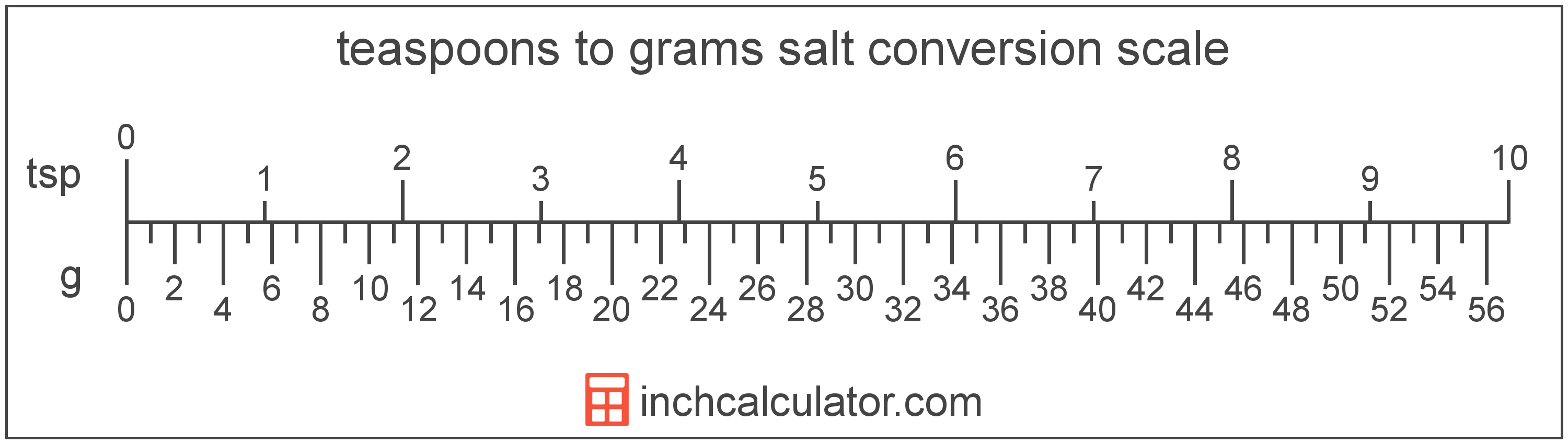
It’s also helpful to understand portion equivalents in different settings. For example, if you frequently use single-serve condiments, you may wonder How many teaspoons of salt is in a salt packet or How many mg of salt in a salt packet to better monitor daily intake.
That said, emerging research suggests that salt may not affect everyone in the same way and that its impact on heart disease risk may be more nuanced than once believed.
This article explores the scientific evidence to better understand whether salt is truly harmful to your health.
Salt Plays an Important Role in the Body

Salt, chemically known as sodium chloride, consists of about 40% sodium and 60% chloride. Both of these minerals are vital for maintaining overall health.
The body tightly regulates sodium levels, and even small imbalances can result in adverse effects (3).
Sodium plays a key role in muscle contraction. Significant losses through sweat or bodily fluids may contribute to muscle cramps, particularly in athletes or those exercising in hot environments (4).
It is also essential for proper nerve signaling and for regulating blood volume and blood pressure within a narrow, healthy range (5, 6).
Chloride, meanwhile, is the second most abundant electrolyte in the bloodstream after sodium (7).
Electrolytes are electrically charged minerals in body fluids that are crucial for processes ranging from nerve impulses to maintaining fluid balance and cellular function.
Low chloride levels may lead to respiratory acidosis, a condition in which carbon dioxide accumulates in the blood, increasing blood acidity (8).
Although sodium and chloride are both essential, studies indicate that individuals respond differently to sodium intake.
Some people appear unaffected by higher salt consumption, while others may develop high blood pressure or experience bloating when sodium intake rises (9).
Those who exhibit these reactions are often described as salt-sensitive and may need to pay closer attention to how many grams of salt in a teaspoon they are consuming on a daily basis.
Summary: Salt contains sodium and chloride, which help regulate muscle contractions, nerve activity, blood pressure and fluid balance. Individual responses to high salt intake can vary significantly.
High Salt Intake Is Associated With Stomach Cancer
Some research suggests that greater salt consumption may be linked to an elevated risk of stomach cancer.
This could be due in part to increased growth of Helicobacter pylori, a bacterium associated with a higher likelihood of developing stomach cancer (10).
A 2011 study involving more than 1,000 participants found that higher salt intake correlated with a greater risk of stomach cancer (11).
Additionally, a large review of 268,718 individuals reported that participants with high salt consumption had a 68% higher risk of stomach cancer compared to those with lower intake (12).
It is important to emphasize that these findings show an association, not a direct cause-and-effect relationship. More studies are required to determine whether a high-salt diet directly contributes to the development of stomach cancer and to understand underlying biological mechanisms.
Summary: Higher salt intake has been associated with an increased risk of stomach cancer, but additional research is needed to clarify whether salt plays a direct causal role.
Reduced Salt Intake May Lower Blood Pressure
High blood pressure places additional strain on the heart and is a well-established risk factor for heart disease.
Multiple large-scale studies indicate that lowering salt intake may help reduce blood pressure, particularly in individuals diagnosed with high blood pressure.
One review of 3,230 participants found that a moderate reduction in salt consumption resulted in a modest drop in blood pressure, with an average decrease of 4.18 mmHg in systolic blood pressure and 2.06 mmHg in diastolic blood pressure.
Although blood pressure decreased in both hypertensive and normotensive individuals, the reduction was more pronounced among those with high blood pressure.
Among participants with normal blood pressure, systolic pressure decreased by 2.42 mmHg and diastolic pressure by 1.00 mmHg (13).
Another extensive study reported similar outcomes, noting that lower salt intake contributed to reduced blood pressure, especially in those already diagnosed with hypertension (14).
Keep in mind that certain individuals are more sensitive to sodium’s impact on blood pressure (15).
For those who are salt-sensitive, monitoring how many grams of salt in a teaspoon and adjusting daily intake accordingly may produce more noticeable blood pressure improvements.
However, while blood pressure reductions are measurable, it remains uncertain how much this translates into a lower risk of heart disease or mortality across the general population.
Summary: Decreasing salt intake may lower blood pressure, particularly in people with high blood pressure or salt sensitivity.
Low Salt Intake May Not Reduce the Risk of Heart Disease or Death
Although high salt intake has been associated with conditions such as stomach cancer and high blood pressure, the evidence regarding heart disease and overall mortality is more complex.
Several studies suggest that reducing salt intake does not necessarily lower the risk of heart disease or death in the general population.
A large 2011 review of seven studies concluded that salt reduction had no significant effect on the risk of heart disease or death (16).
Another review including more than 7,000 participants found that lower salt intake did not significantly impact mortality risk and had only a weak association with heart disease risk (17).
That said, the relationship between salt intake and health outcomes may differ among specific populations.
For instance, one large study observed that a low-salt diet was associated with a reduced risk of death, but only in individuals who were overweight (18).
Conversely, another study reported that a low-salt diet increased the risk of death by 159% in people with heart failure (19).
Clearly, further high-quality research is necessary to determine how different levels of salt intake influence diverse groups.
Overall, reducing salt intake does not automatically guarantee a lower risk of heart disease or death for everyone, highlighting the importance of individualized medical guidance.
Summary: Evidence suggests that a low-salt diet may not reduce the risk of heart disease or death for the general population, and effects may vary across different groups.
Low Salt Intake Can Have Negative Side Effects
While excessive salt intake has been linked to certain health issues, consuming too little salt may also produce undesirable effects.
Several studies indicate that low-salt diets may be associated with higher levels of blood cholesterol and blood triglycerides.
These fatty substances circulate in the blood and can accumulate in the arteries, increasing the risk of heart disease (20).
A large 2012 study found that a low-salt diet increased blood cholesterol by 2.5% and blood triglycerides by 7% (21).
Another study reported that a low-salt diet raised “bad” LDL cholesterol by 4.6% and blood triglycerides by 5.9% (22).
Additional research suggests that salt restriction may contribute to insulin resistance, a condition in which insulin becomes less effective at transporting glucose from the bloodstream into cells (23, 24, 25).
Insulin resistance can lead to elevated blood sugar levels and increase the risk of diabetes (26).
Very low sodium intake may also result in hyponatremia, a condition characterized by low blood sodium levels.
In hyponatremia, the body retains excess water due to insufficient sodium, excessive heat exposure or overhydration, leading to symptoms such as headaches, fatigue, nausea and dizziness (27).
Summary: Low salt intake may be linked to hyponatremia, higher blood cholesterol and triglycerides, and an increased risk of insulin resistance.
How to Minimize Salt-Sensitive Symptoms
If you experience salt-related bloating or have been advised to lower your blood pressure, there are practical strategies that can help.
For individuals who are salt-sensitive, reducing sodium intake may alleviate symptoms.
Eliminating the salt shaker may seem like the simplest solution, but it is not necessarily the most effective approach.
In fact, processed foods account for approximately 77% of sodium intake in the average diet (28).
To significantly cut sodium, consider replacing processed items with whole foods such as fresh vegetables, fruits, lean proteins and whole grains. This not only reduces sodium but also supports a nutrient-dense eating pattern rich in vitamins, minerals, fiber and essential nutrients.
If further sodium reduction is necessary, limit restaurant meals and fast food, and choose low-sodium versions of canned products. Season foods mindfully, keeping track of how many grams of salt in a teaspoon to stay within recommended limits.
Beyond sodium reduction, other lifestyle measures can support healthy blood pressure.
Magnesium and potassium are minerals that assist in blood pressure regulation. Increasing intake through foods like leafy greens, beans and other plant-based sources may be beneficial (29).
Some evidence also suggests that a low-carb diet may help reduce blood pressure in certain individuals (30).
Combining moderate sodium intake with a balanced diet, regular physical activity and medical guidance provides a comprehensive strategy for managing salt sensitivity.
Summary: Reducing processed foods and increasing magnesium and potassium intake may help minimize salt-sensitive symptoms and support healthy blood pressure.
The Bottom Line
Salt is a fundamental component of the diet, and its minerals are essential for many physiological functions.
For some individuals, excessive salt intake may be associated with an increased risk of stomach cancer and high blood pressure.
However, the health effects of salt vary among individuals, and not everyone experiences negative outcomes from moderate intake.
If your healthcare provider has recommended lowering your salt intake, it is important to follow that advice.
For most people, keeping sodium intake around the recommended 1 teaspoon (6 grams) of salt per day — and understanding how many grams of salt in a teaspoon — can serve as a practical guideline for maintaining balance while supporting overall health.





















Leave a Reply
You must be logged in to post a comment.