

Giving blood is a generally safe method to assist people with serious health needs. However, donating can cause some side effects, such as tiredness or reduced iron levels. Eating and drinking appropriately before and after donation can help lower the chance of these effects.
Continue reading to find out what to eat and drink prior to donating blood, along with practical tips for after the donation.
What to eat and drink
If you plan to donate blood, staying well hydrated both before and after is essential because roughly half of your blood is water. It’s also wise to boost your iron intake since donation reduces your iron stores. Low iron can contribute to feelings of fatigue.
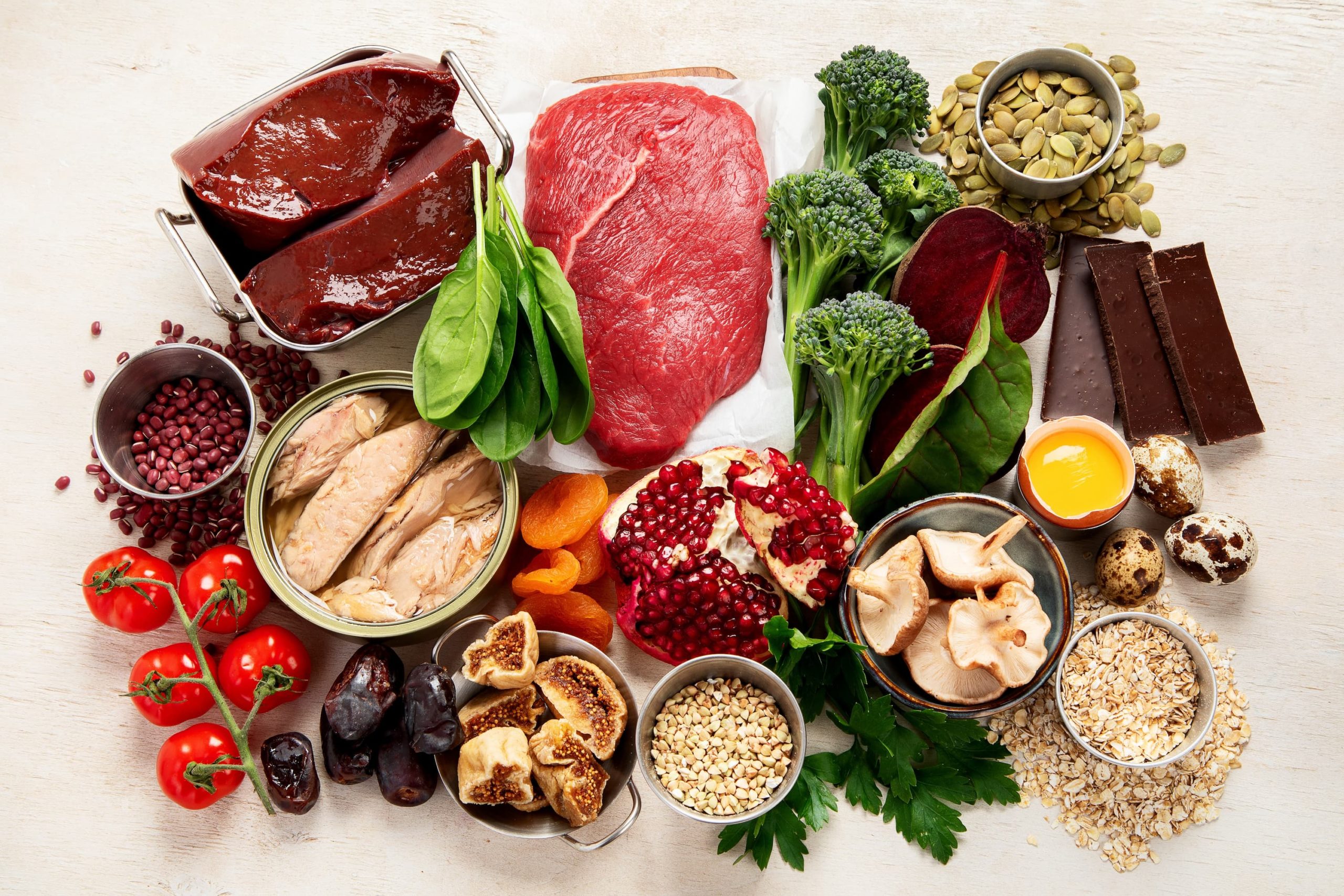
Iron
Iron is a vital mineral your body needs to produce hemoglobin, the protein that transports oxygen from your lungs to the rest of your body.
Maintaining a balanced diet with iron-rich foods helps you build up iron reserves. If your iron stores aren’t sufficient to replace the iron lost during donation, you may develop iron-deficiency anemia.
Foods contain two forms of iron: heme and nonheme. Heme iron is absorbed more readily, so it raises your iron levels more effectively. Your body can absorb up to 30 percent of heme iron, compared with just 2 to 10 percent of nonheme iron.
Before donating, try to increase consumption of iron-containing foods to bolster your body’s iron reserves and lower the risk of iron-deficiency anemia.
Foods high in heme iron include:
- Meats such as beef, lamb, ham, pork, veal, and dried beef.
- Poultry like chicken and turkey.
- Fish and shellfish including tuna, shrimp, clams, haddock, and mackerel.
- Organ meats such as liver.
- Eggs.
Foods high in nonheme iron include:
- Vegetables such as spinach, sweet potatoes, peas, broccoli, string beans, beet greens, dandelion greens, collards, kale, and chard.
- Breads and cereals including enriched white bread, fortified cereal, whole-wheat bread, enriched pasta, wheat, bran cereals, cornmeal, oats, rye bread, and enriched rice.
- Fruits such as strawberries, watermelon, raisins, dates, figs, prunes, prune juice, dried apricots, and dried peaches.
- Beans and legumes including tofu, kidney beans, garbanzo beans, white beans, dried peas, dried beans, and lentils.
Vitamin C
While heme iron is more effective at raising iron levels, vitamin C improves absorption of plant-based (nonheme) iron.
Many fruits are rich in vitamin C. Examples include:
- cantaloupe
- citrus fruits and juices
- kiwi
- mango
- papaya
- pineapple
- strawberries
- raspberries
- blueberries
- cranberries
- watermelon
- tomatoes
Water
About half of donated blood consists of water, so it’s important to be well hydrated. Losing fluids during donation can lower your blood pressure and cause lightheadedness. The American Red Cross advises drinking an additional 16 ounces (2 cups) of water before donating. Other nonalcoholic drinks are also acceptable.
This extra intake is on top of the generally recommended 72 to 104 ounces (9 to 13 cups) of fluids daily.
What to avoid
Certain foods and drinks can negatively influence your blood. Prior to donation, try to steer clear of the following:
Alcohol
Alcoholic drinks can dehydrate you. Avoid alcohol for 24 hours before giving blood. If you do consume alcohol, be sure to drink extra water to rehydrate.
Fatty foods
High-fat items, such as french fries or ice cream, can interfere with blood screening tests. If a donation cannot be tested for infections, it won’t be suitable for transfusion. So it’s best to skip greasy treats on donation day.
Iron blockers
Some foods and beverages decrease iron absorption. You don’t need to eliminate them entirely, but avoid consuming them at the same time as iron-rich meals or iron supplements. Examples include:
- coffee and tea
- high-calcium foods like milk, cheese, and yogurt
- red wine
- chocolate
Aspirin
If you plan to donate platelets—a different procedure from donating whole blood—you should not take aspirin for 48 hours before donation.
What to eat and drink after donating blood
After donating, you’ll be offered a light snack and a beverage to help stabilize your blood sugar and fluid balance. To replace fluids, drink an extra four cups of water within the next 24 hours and avoid alcohol.

Are there any side effects of donating blood?
Most donors do not experience side effects. After donating, you will be asked to remain in the refreshment area for 10 to 15 minutes to ensure you feel well.
Once you’ve had a snack and a drink, you can resume normal activities. The Red Cross suggests avoiding heavy lifting and strenuous exercise for the remainder of the day.
If you donate frequently, discuss iron supplements with your healthcare provider. It can take months for iron levels to normalize after donation. A 2015 study showed that taking iron supplements can considerably shorten this recovery period.
The takeaway
Donating blood is a valuable way to support your community. It’s generally quick and straightforward. By eating well on donation day and drinking plenty of extra fluids, you can minimize or avoid side effects.


















Leave a Reply
You must be logged in to post a comment.