


Sanda oil is an age-old ayurvedic herbal oil mixture applied to the skin and promoted as a remedy for men. It’s often advertised as a natural option for erectile dysfunction (ED) and premature ejaculation (PE).
The term sanda comes from Sanskrit or Hindi and is sometimes rendered as “saandhha” in English.
Below, we examine this traditional preparation, how it’s believed to work, and whether it might assist men experiencing ED or PE.
What’s in sanda oil?
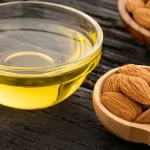
Sanda oil is a combination of botanical oils commonly used in ayurveda and other traditional healing systems. Formulations vary by manufacturer, so ingredient lists and proportions can differ.
Typical sanda oil blends may contain varying amounts of these components:
- ashwaghanda
- shatavari (Asparagus racemosus)
- clove oil
- black seed or black cumin oil
- sesame oil
- cowhage or velvet bean
- datura extract

Does sanda oil help with ED?
Sanda oil is sold as a traditional treatment for male sexual issues such as ED. There are no clinical trials specifically on sanda oil itself and its effects on ED. However, several studies have examined individual ingredients that are commonly included in the blend.
Many of these herbal extracts are used singly or in other combinations to address symptoms of ED and PE.
Talk to a doctor
ED can result from many causes, including medical conditions. Consult your physician before trying sanda oil or other natural therapies for ED.
Clinical studies on ashwaghanda
Ashwaghanda is one of the principal herbs found in sanda oil. Also called “Indian ginseng,” it’s used traditionally for various purposes, including ED and improving male reproductive health. It’s also thought to enhance energy, stamina, and circulation.
A clinical study reported that ashwaghanda root extract may dilate blood vessels and improve oxygenation and blood flow throughout the body, which could benefit ED in some men.
Another review on ashwaghanda in male infertility suggested it may help normalize hormones and enhance semen parameters.
Clinical studies on shatavari
Shatavari is another herb commonly included in ayurvedic remedies. Known as “Indian asparagus,” shatavari is an ingredient in sanda oil and, like ashwaghanda, may improve circulation by dilating blood vessels. A medical study indicates shatavari may be useful for treating ED and boosting fertility in both men and women.
Clinical studies on clove oil
Clove oil has warming and stimulating properties and is frequently used to ease toothaches and sore muscles. Research has found that the active compound eugenol in clove oil may enhance blood flow, which could be relevant for ED treatment.
Clinical studies on black seed or black cumin extract
A medical review of black seed (black cumin) extract found its key constituent, thymoquinone, can reduce inflammation and cause vasodilation in the lungs.
Black seed may also aid in stabilizing blood sugar and lipid profiles — effects that could indirectly help with ED for some men.
Clinical studies on sesame oil
Sesame oil is often used as a carrier for herbal oil mixtures. A review of traditional Persian remedies lists sesame oil and other botanical oils among natural options employed for ED.
How is sanda oil used?
Sanda oil is applied topically; it’s not intended for oral use. Typically, the oil is massaged onto and around the penis roughly 30 minutes before intercourse. Active compounds are absorbed through the skin into the body.
Manufacturers often advise using sanda oil for up to three months to observe the full effects. No clinical research has established precise usage frequency or how long the oil should remain on the skin.
Is sanda oil safe to try?
No clinical trials have evaluated the safety profile or side effects of sanda oil as a complete product. Although evidence exists for several of its constituent herbs, additional research is required. Some components of sanda oil can trigger allergic reactions or irritate the skin in sensitive individuals.
For instance, if you’re allergic to sesame, you might react to sanda oil. Such an allergy could provoke a severe response. Discontinue use and wash the area promptly if you notice any adverse effects.
Allergy symptoms
Allergic reactions may include one or more of the following:
- skin rash
- redness
- hives
- itching
- swelling
- difficulty breathing
- nausea
- vomiting
- low heart rate
- stomach pain
- low blood pressure
Seek emergency care if you develop signs of a severe allergic reaction such as anaphylaxis.
Even without a true allergy, sanda oil can cause localized irritation or sensitivity. Signs of skin sensitivity may include:
- redness
- itchiness
- tenderness
- burning
Perform a patch test before using sanda oil during sexual activity.
Other natural options for ED and PE
There are numerous other herbal blends, essential oils, and botanical remedies promoted for ED and PE, as well as lifestyle and alternative approaches.
These include:
- regular exercise
- Korean red ginseng
- ginkgo biloba
- maca
- acupuncture
Talk to a doctor
Discuss sanda oil or other natural treatments with your physician before trying them. ED or PE may be symptoms of an underlying medical issue; addressing the root cause and enhancing overall health can help improve sexual function.
Your doctor may order blood tests to investigate the cause of ED.
Certain medications can contribute to ED. Health conditions that commonly lead to ED include:
- overweight or obesity
- diabetes
- heart disease
- high cholesterol
- vascular disease
Takeaway
Sanda oil is a mixture of botanical oils used in ayurvedic practice to address ED and other male sexual concerns, including PE. Its herbal constituents may enhance circulation and exert other beneficial effects.
There are no studies specifically on sanda oil itself, though research exists for several herbs frequently included in the blend.
Natural compounds can be potent and may provoke allergies or adverse reactions in some people. Consult your healthcare provider about your ED and whether sanda oil is an appropriate option for you.
















Leave a Reply
You must be logged in to post a comment.