How Much Caffeine in a Cup of Coffee? A Detailed Guide


The caffeine level in a cup of coffee can differ depending on the variety, portion size, brewing technique, and the bean cultivar, among other elements.
As the leading dietary source of caffeine, coffee’s content varies across various coffee beverages.
This article provides an in-depth overview of caffeine levels across different coffee types and brands.
How much caffeine is in a typical cup of coffee?
The primary factor determining caffeine content is the kind of coffee you’re drinking.
Brewed Coffee
Brewing is the most widespread method for preparing coffee in the US and Europe.
Often called regular coffee, brewed coffee is produced by pouring hot or boiling water over ground coffee beans, usually held in a filter.
A 12-ounce (oz) cup of brewed coffee can contain between 113 and 247 milligrams (mg) of caffeine, while a smaller 8-ounce cup may have about 95 to 200 mg .
The precise amount also depends on the coffee variety used. A 2020 study reported an average of about 150.5 mg.
Espresso
Espresso is prepared by forcing a small volume of hot water, or steam, through finely ground coffee.
Although espresso contains more caffeine per volume than brewed coffee, it typically has less caffeine per serving because espresso servings are small.
The U.S. Department of Agriculture notes that one shot of espresso is roughly 2 oz and contains about 127 mg of caffeine. However, the average figure is roughly 108.3 mg. A double shot of espresso can therefore deliver 200 to 300 mg of caffeine.
Many common coffee beverages are built from espresso shots combined with different types and quantities of milk. Examples include lattes, cappuccinos, macchiatos, and Americanos.
Since milk adds no extra caffeine, these drinks contain the same caffeine amount as the espresso shots they include.
Instant Coffee
Instant coffee is made from brewed coffee that has been freeze-dried or spray-dried into granules that dissolve in water.
To make instant coffee, you simply stir one or two teaspoons of the dried coffee into hot water — no brewing required.
Studies indicate that instant coffee typically has less caffeine than regular brewed coffee. A 6 oz cup contains about 45 mg or averages around 57.1 mg.
Decaf Coffee
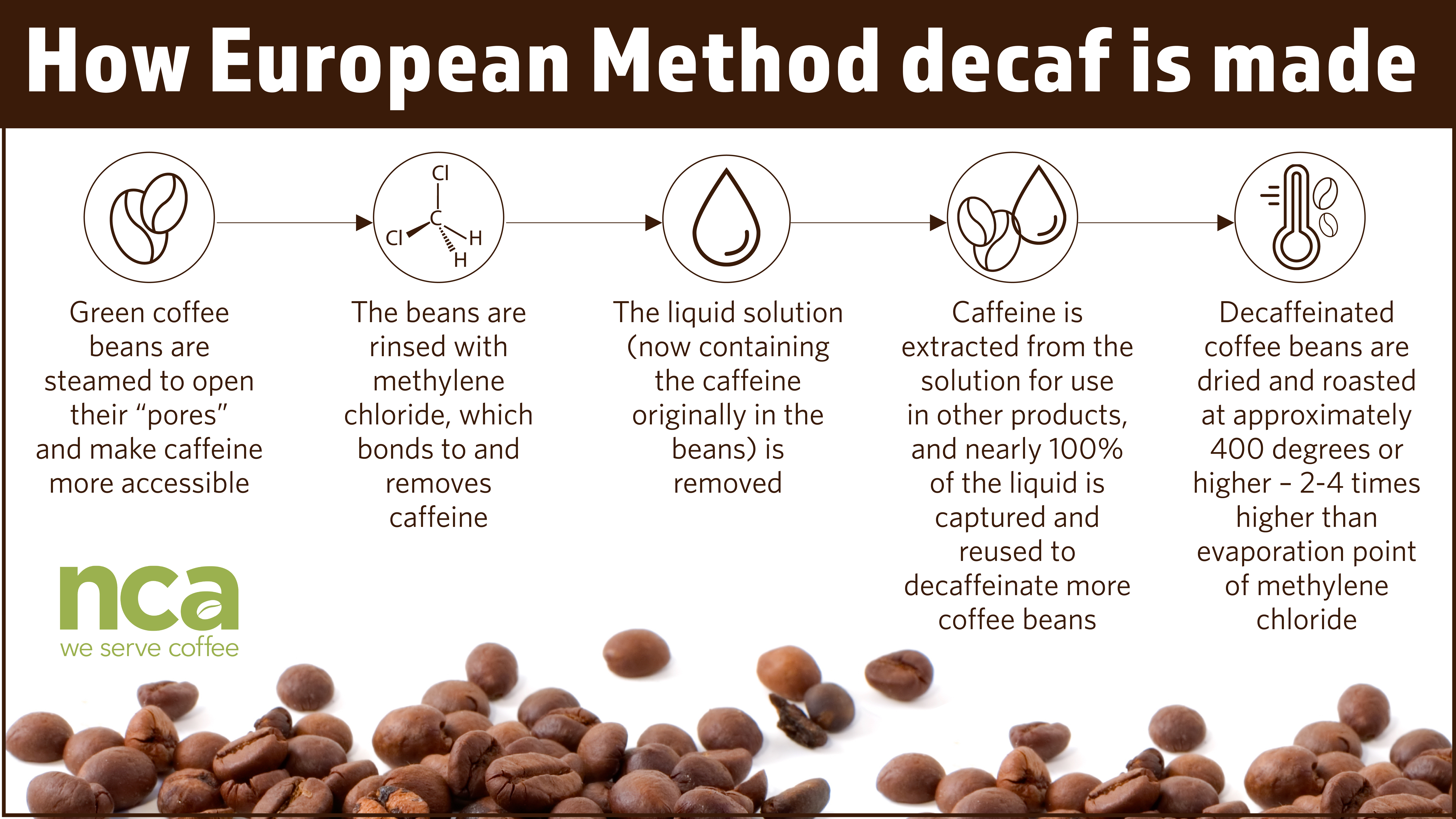
Despite its name, decaf coffee is not completely free of caffeine. It can contain varying amounts, often between 2 and 15 mg per 8-oz cup.
Nevertheless, some decaffeinated options may have higher caffeine levels depending on the coffee type, origin, decaffeination process, and cup size.
Do commercial brands contain more caffeine?
Certain commercial coffee brands can have higher caffeine content than home-brewed coffee.
Coffee shops are also known for serving oversized cups. The amount of coffee in these large servings can equal about 3 to 5 standard cups.
The table below shows approximate caffeine amounts in various sizes of brewed coffee drinks from Starbucks and Dunkin Donuts, two well-known coffee chains.
The actual caffeine levels will vary based on roast type or other preparations like espresso. Different coffee shops offer varying blends and preparations with different caffeine contents.
Which factors influence caffeine levels?
The caffeine amount in coffee is influenced by several factors, including:
- Bean variety: Different coffee cultivars naturally contain differing amounts of caffeine.
- Roast level: Lighter roasts typically retain more caffeine than darker roasts, though darker roasts yield a bolder taste.
- Coffee type: Caffeine content varies considerably among brewed coffee, espresso, instant coffee, and decaf.
- Serving size:The volume of your drink will determine how much caffeine you ingest.
- Water temperature and pressure:Cooler brewing temperatures may slow the release of caffeine during extraction, and the chosen brewing method — including pressure — can affect caffeine yield.
Should you be concerned about caffeine?
Coffee is rich in antioxidants, and many studies suggest it can be beneficial for health.
However, excessive caffeine intake is associated with side effects such as anxiety, sleep disturbances, heart palpitations, and restlessness.
Research indicates that consuming around 400 mg of caffeine per day or less is generally not linked to negative effects for most adults. Still, some people — for example, those who are pregnant — should consume less.
Moreover, individuals vary in their sensitivity to caffeine. Some are highly reactive to small amounts, whereas others tolerate larger doses and may develop increased tolerance with habitual use. Genetics play a large role in these differences.
Ultimately, you’ll need to test and discover the amount that works best for you.
Unexpected benefits of coffee
When consumed within recommended limits (about 400 mg per day or less), coffee may offer several health benefits.

Takeaway
Among common foods and beverages, coffee delivers the highest amount of caffeine. Yet the precise caffeine quantity in a cup of coffee can vary widely due to numerous factors.
These include the coffee type, portion size, brewing temperature, and bean variety. How the coffee is cultivated, roasted, and ground can also influence its caffeine content.
Frequently Asked Questions
An 8-oz cup of brewed coffee commonly contains about 95–200 mg of caffeine, with an average near 150 mg depending on beans and brewing strength.
A single espresso shot typically contains roughly 60–130 mg of caffeine depending on preparation, with averages often reported around 100–127 mg.
Yes. Instant coffee usually has less caffeine — a 6-oz cup often contains around 45–60 mg, though exact amounts vary by brand and scoop size.
No. Decaf still contains small amounts of caffeine, generally about 2–15 mg per 8-oz cup, depending on the decaffeination method and beans.
For most healthy adults, up to about 400 mg of caffeine per day is considered acceptable, but sensitivity varies and some people (e.g., pregnant individuals) should consume less.
Read Next
The 11 Best Keto Frozen Meals
What Is Annatto? Uses, Benefits, and Side Effects
Olives 101: Nutrition Facts and Health Benefits
Low Sodium Frozen Meals: The Best Brands and 21 Dietitian-Approved Options
9 of the Best Keto-Friendly Protein Bars You Can Buy

What Is California Poppy, and Does It Have Health Benefits?
Related Posts
Agave Nectar: A Sweetener That’s Even Worse Than Sugar?
Sep 12, 2026 • 17 min read
Tomatoes 101: Nutrition Facts and Health Benefits
Sep 3, 2026 • 28 min read
10 Tasty Wild Berries to Try (and 8 Poisonous Ones to Avoid)
Aug 16, 2026 • 25 min read
What’s the Benefit of Poppyseed Oil?
Aug 25, 2026 • 18 min read
The 20 Best Low Carb Vegetables (Plus 1 Great Low Carb Fruit)
Aug 30, 2026 • 9 min read