Is Corn Good for You? Nutrition Facts and More


- What Is Corn?
- Highly Nutritious
- Contains Plant Compounds and Fiber That Benefit Health
- Lutein and Zeaxanthin Content May Benefit Eye Health
- May Prevent Diverticular Disease and Other Digestive Issues
- Can Spike Blood Sugar and May Prevent Weight Loss
- Corn Crops are Often Genetically Modified
- How to Cook and Use Corn
- The Bottom Line
Corn contains important nutrients such as fiber and vitamin C, yet it may also elevate blood sugar levels. In addition, specific plant compounds found in corn could offer added health advantages.
As both a starchy vegetable and a cereal grain, corn has been consumed globally for centuries and continues to be a dietary staple in many cultures.
Understanding Corn protein per 100g and its broader nutritional profile can help you determine how it fits into a balanced eating plan. Corn provides fiber, essential vitamins, and minerals that contribute to overall wellness.
However, the health effects of corn are sometimes debated. While it delivers valuable nutrients, it can also cause blood glucose spikes in certain individuals. Furthermore, much of the crop is genetically modified.
This article explores the potential health benefits and possible drawbacks of including corn in your diet.

What Is Corn?
Corn is classified as both a vegetable and a cereal grain, depending on how it is prepared and consumed.
Sweet corn eaten directly off the cob is typically regarded as a vegetable in culinary contexts. In contrast, dried kernels used for popcorn are categorized as whole grains.
Originating in Mexico more than 9,000 years ago, corn is referred to as “maize” in many regions worldwide. Native Americans cultivated and relied on this crop as a primary food source (1 , 2 ).
Today, corn ranks among the most widely consumed cereal grains globally (3).
Although white and yellow varieties are most common, corn also appears in red, purple, and blue forms.
It is enjoyed as sweet corn, popcorn, tortillas, polenta, chips, cornmeal, grits, oil, and syrup, and is incorporated into countless recipes. Beyond food use, it plays a major role in fuel production and animal feed. In fact, 40% of corn grown in the US is used for fuel, while 60–70% of corn produced worldwide is designated for feeding livestock (2 , 4 ).
SummaryCorn is a widely consumed food considered both a vegetable and a whole grain. It can be eaten fresh as sweet corn or popcorn or processed into products like chips, oil, and syrup. However, the majority of corn production supports animal feed and fuel.
Highly Nutritious
Corn is rich in carbohydrates and provides a notable amount of fiber, vitamins, and minerals. It is relatively low in both protein and fat, though understanding Corn protein per 100g can help assess its role in meeting daily protein needs. For a broader overview, you can review the full Corn Nutritional Value per 100g.
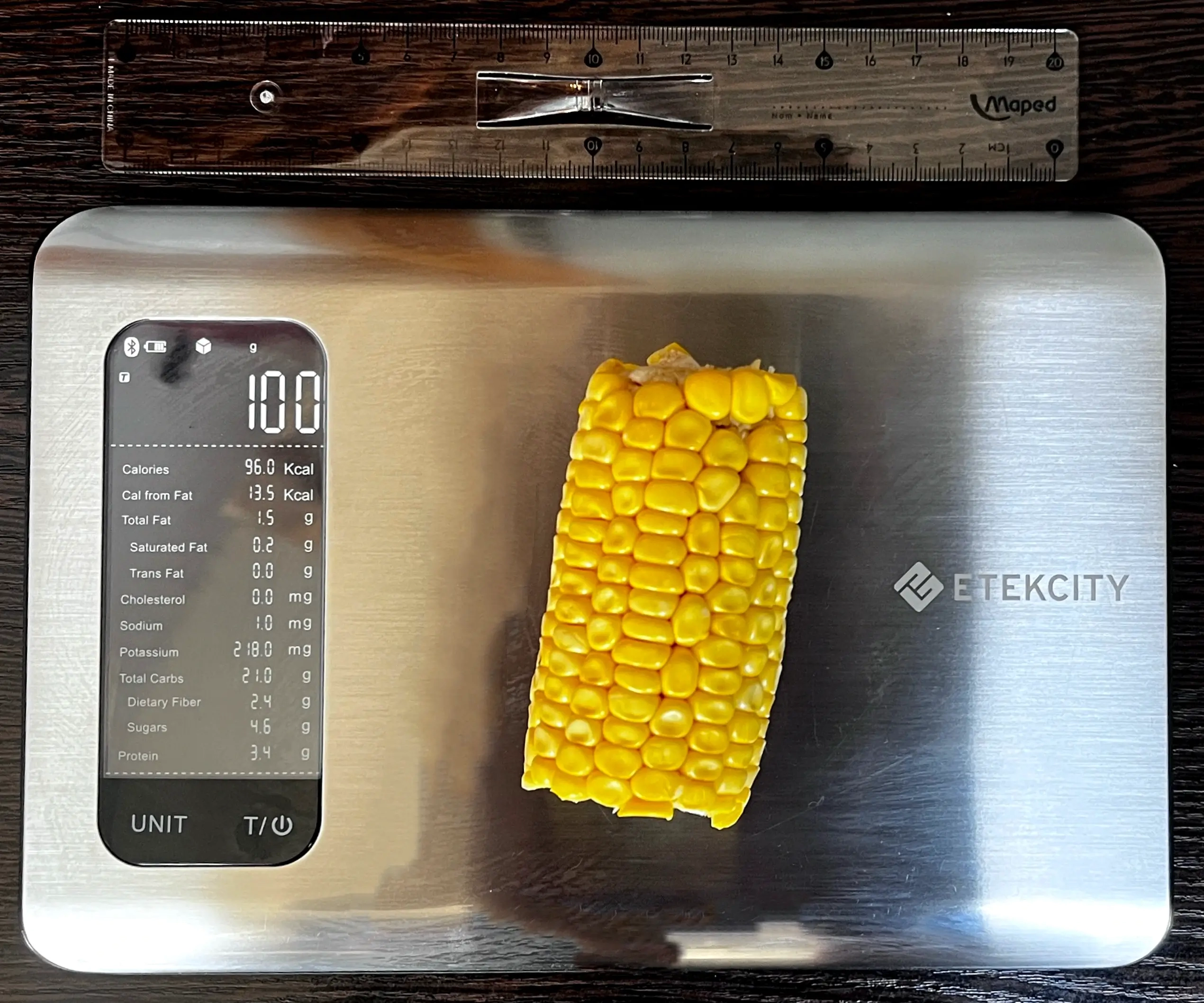
One cup (164 grams) of sweet yellow corn contains (5):
- Calories: 177 calories
- Carbs: 41 grams
- Protein: 5.4 grams
- Fat: 2.1 grams
- Fiber: 4.6 grams
- Vitamin C: 17% of the daily value (DV)
- Thiamine (vitamin B1): 24% of the DV
- Folate (vitamin B9): 19% of the DV
- Magnesium: 11% of the DV
- Potassium: 10% of the DV
The majority of carbohydrates in corn come from starch, which can rapidly increase blood sugar levels depending on portion size. Nevertheless, its fiber content may help moderate blood glucose fluctuations (3, 6).
Given its nutrient density, whole corn and popcorn can fit into a balanced diet for many individuals. Corn is naturally gluten-free, making it suitable for people who avoid gluten.
In contrast, highly processed corn products may offer fewer nutritional benefits. Refining corn into oil, syrup, or chips often removes beneficial fiber and micronutrients. Additionally, many processed items contain added salt, sugar, or unhealthy fats (7, 8).
SummaryWhole corn provides fiber, vitamin C, B vitamins, magnesium, and potassium. Processed corn-based products are generally less nutritious.
Contains Plant Compounds and Fiber That Benefit Health
Corn delivers antioxidants and bioactive plant compounds that may support several aspects of health.
Lutein and Zeaxanthin Content May Benefit Eye Health
Corn is especially abundant in lutein and zeaxanthin, two carotenoids associated with a reduced risk of cataracts and age-related macular degeneration (AMD).
This may be because lutein and zeaxanthin constitute a significant portion of the macular region of the eyes (9 , 10 , 11 ).
In a study involving 365 adults, those with the highest intake of carotenoids—particularly lutein and zeaxanthin—had a 43% lower likelihood of developing AMD compared to individuals with the lowest intake (11 ).
Including corn regularly in your diet may therefore contribute to long-term eye health, especially in individuals at increased risk for AMD.
May Prevent Diverticular Disease and Other Digestive Issues
The dietary fiber in corn supports digestive function and overall gut health.
Adequate fiber intake has been associated with a decreased risk of heart disease and certain cancers. It also promotes regular bowel movements and may help protect against gastrointestinal disorders (12 , 13 , 14 ).
Specifically, corn consumption has been linked to a lower risk of diverticular disease, a condition characterized by inflammation of the digestive tract (15 ).
An 18-year study of more than 47,000 adult men found that eating popcorn at least twice weekly was associated with a significantly reduced risk of diverticular disease (15 ).
While these findings are promising, further research is necessary to confirm the protective effects.
SummaryCorn contains plant compounds linked to a reduced risk of eye disorders. Its fiber content may also promote digestive health and lower the risk of diverticular disease.
Can Spike Blood Sugar and May Prevent Weight Loss
Because corn is high in starch, it can elevate blood glucose levels and may not be appropriate for everyone.
Individuals with diabetes may need to monitor and limit their intake of starchy carbohydrates, including corn. Reviewing Corn protein per 100g alongside carbohydrate content can help with meal planning, especially when managing blood sugar levels.
Research specifically examining corn intake and diabetes remains limited. However, studies indicate that low-carb diets are more effective for diabetes management (16 ).
In one study of 115 adults with obesity and type 2 diabetes, consuming a diet in which only 14% of calories came from carbohydrates resulted in more stable blood sugar levels and reduced medication requirements compared to a diet providing 53% of calories from carbs (16 ).
Reducing intake of other corn-derived products, particularly high-fructose corn syrup, may also lower diabetes risk.
One study reported that diabetes prevalence was 20% higher in countries with easier access to high-fructose corn syrup compared to regions where it was less available (17 ).
For individuals aiming to lose weight, limiting starchy carbohydrates like corn may be beneficial. A 24-year Harvard study involving 133,468 adults found that each additional daily serving of corn was linked to a 2-pound (0.9-kg) weight gain every four years. Potatoes, peas, and other starchy vegetables were not associated with the same degree of weight gain (18 ).
SummaryCorn may increase blood sugar and contribute to weight gain if consumed excessively. People with diabetes or those pursuing weight loss may wish to moderate their intake.
Corn Crops are Often Genetically Modified
Corn is among the most genetically modified crops worldwide. In 2016, 92% of corn grown in the US was genetically modified (GMO) (19).
Genetic modification aims to boost crop yields and enhance resistance to insects, disease, or herbicides (19).
The health and environmental implications of genetically modified crops remain a subject of ongoing debate.
Some animal studies have linked genetically modified corn consumption to toxic effects on the liver, kidneys, and other organs (20 , 21 ).
Conversely, other research suggests that genetically modified crops are nutritionally comparable to non-modified varieties and do not pose harm to human health.
One study found no meaningful differences in vitamin C, certain minerals, fatty acids, antioxidants, or other beneficial nutrients between genetically modified corn and non-modified corn (22 ).
Further research is required to provide clearer guidance. Consumers concerned about GMOs may choose products labeled “non-GMO.”
SummaryThe majority of corn is genetically modified. Although more studies are needed, current evidence is mixed regarding potential health risks.
How to Cook and Use Corn
Corn is a highly versatile ingredient that can be incorporated into meals in numerous ways.

Sweet corn and corn on the cob are readily available fresh, frozen, or canned at grocery stores and farmers markets. For a deeper breakdown of nutrient differences, including Corn protein per 100g in various forms, you can explore the Yellow Corn Nutritional Value per 100g.
Fresh ears of corn can be grilled or boiled and are often served with butter and salt.
Kernels can be mixed into soups, salads, casseroles, or vegetable dishes, or enjoyed on their own with olive oil and herbs.
Corn flour and dried kernels offer additional culinary options. Tortillas can be prepared using finely ground corn flour combined with water and salt. Baking sliced tortillas with oil and seasoning creates homemade chips.
Dried kernels can also be popped on the stovetop or in an air popper to make popcorn, a satisfying whole-grain snack.
SummaryCorn on the cob, kernels, corn flour, and popcorn are widely accessible and adaptable for a range of dishes.
The Bottom Line
Corn supplies fiber and beneficial plant compounds that may support digestive and eye health.
However, it is high in starch, may raise blood sugar levels, and could hinder weight loss when eaten in excess. Concerns about genetically modified corn may also influence consumer choices.
When consumed in moderation as part of a nutrient-dense diet, corn can be a healthy addition to your meal plan.
Helpful Questions
Sweet yellow corn provides approximately 5.4 grams of protein per 164-gram cup. The protein content per 100g typically ranges between 3.2 to 3.5 grams, with variations depending on the specific corn variety and preparation method.
Corn is not considered a high-protein food. It is relatively low in protein and fat, with its primary macronutrient being carbohydrates. It is better valued for its fiber, vitamin, and mineral content than as a significant protein source.
Yes, corn contains the carotenoids lutein and zeaxanthin, which are linked to a reduced risk of age-related macular degeneration and cataracts. Regular consumption as part of a balanced diet may contribute to long-term eye health.
Corn is high in starch and can elevate blood glucose levels, especially when consumed in large portions. Individuals managing diabetes or blood sugar may need to monitor their intake, though its fiber content can help moderate spikes.
A significant portion of corn, particularly in the United States, is genetically modified (GMO) to enhance crop yield and resistance. Consumers concerned about GMOs can seek out products specifically labeled as non-GMO.





Related Posts
Carob Powder: 9 Nutrition Facts and Health Benefits
Aug 31, 2026 • 27 min read
What Is Squid Ink, and Should You Eat It?
Sep 9, 2026 • 3 min read
2025 Noom Diet Review: Follow Our Reviewer’s 12-Month Weight Loss Journey
Sep 17, 2026 • 14 min read
Apretude Injection Price: What You Need to Know
Aug 23, 2026 • 4 min read
The 11 Best Keto Frozen Meals
Sep 15, 2026 • 3 min read