
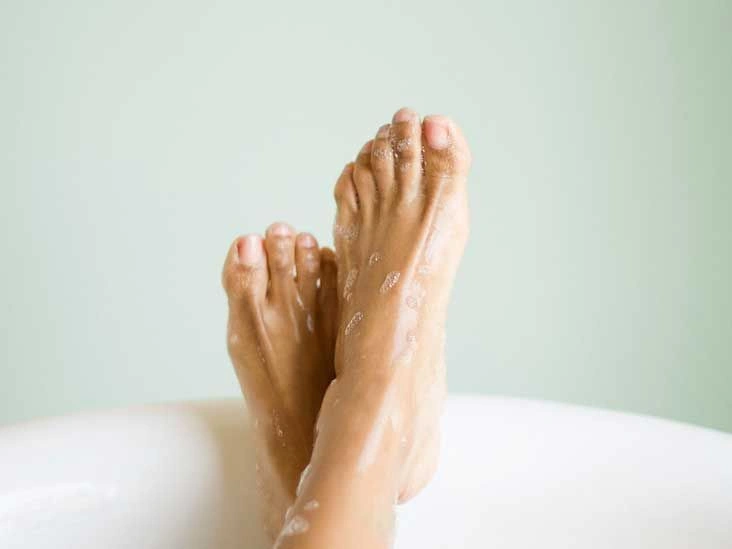
Treatment for corns on your feet involves a combination of preventive strategies and practical steps to eliminate hardened, dry skin. Many people searching for ways to Remove corns on feet overnight want fast relief from discomfort. While instant results aren’t always realistic, the right home care routine can significantly soften and reduce corns quickly and safely.
What are corns?
Corns are dense, thickened patches of skin that most often develop on the feet. They are similar to calluses, though they’re typically smaller, more defined, and often more tender.
Although corns are not dangerous, they can be uncomfortable and irritating. They tend to affect women more frequently than men, largely due to footwear choices that increase pressure on certain areas of the feet.
There are three primary types of corns:
- hard
- soft
- seed
Hard corns are the most frequently seen type. They are compact areas of thick skin, often located within a broader patch of roughened skin. Soft corns appear whitish or gray and have a rubbery consistency. They usually form between the toes where moisture accumulates. Seed corns are small and generally develop on the bottom of the foot.
As the skin continues to thicken, corns may become increasingly painful, particularly when pressure is applied while walking or wearing tight shoes.
Corns are not a skin disease. Instead, they represent your body’s protective response to repeated friction or pressure. Below, you’ll learn practical strategies to prevent them and how to manage them safely at home.
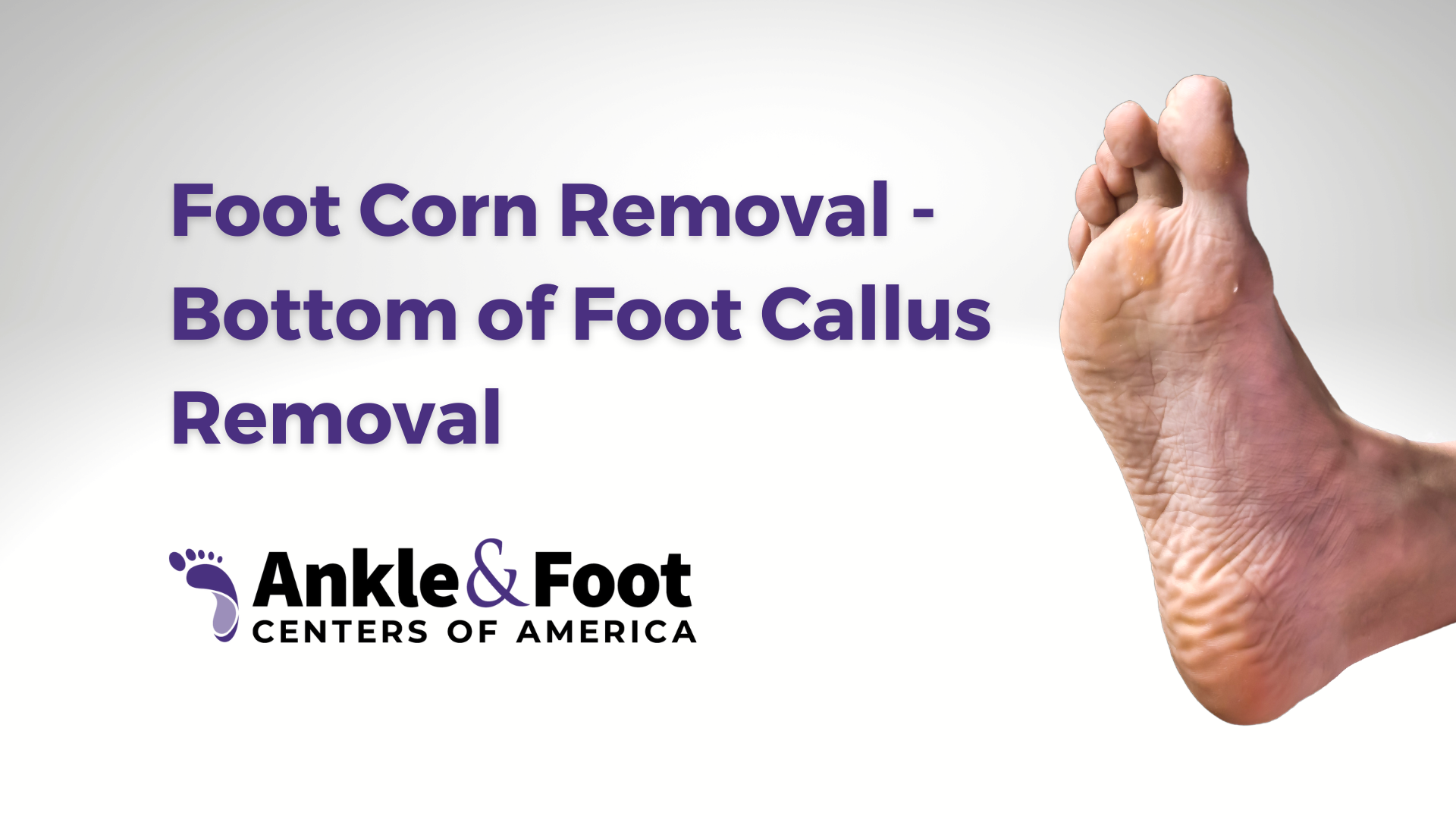
Photos of corn

Diagnosing corns
No specialized testing is required to identify corns. A visual examination of the affected area and nearby skin is usually sufficient.
Corns are generally round and develop along the tops and sides of the feet. One key distinction between corns and calluses is tenderness. Calluses are usually not painful when pressed, whereas a corn may hurt due to underlying inflammation. A corn may also contain a hard or soft central core.
If you’re unsure whether the thickened area is a corn, it may help to review images and descriptions such as What does a corn look like after removed to better understand its appearance before and after treatment.
How to prevent corns
If your goal is to Remove corns on feet overnight and keep them from returning, addressing the underlying cause — typically friction or pressure — is essential. Without eliminating the source, corns are likely to recur even after successful treatment.
Here are practical measures to reduce friction and help prevent corns:
- Wear properly fitting shoes and socks. Have your feet measured by a trained store associate to ensure accurate sizing. Choose footwear that is neither too tight nor too loose. Shopping later in the day, when feet are slightly swollen, may help you find a more accurate fit.
- Trim your toenails regularly. Overgrown toenails can press against the inside of your shoes, forcing your toes into unnatural positions and creating ongoing pressure that may eventually lead to corn formation.
- Apply corn pads. These protective pads reduce excess pressure and friction around the corn. Available in foam, felt, and moleskin, they are typically donut-shaped to redistribute pressure away from the center. Position the corn within the center opening for optimal relief.
- Maintain good foot hygiene. Wash your feet daily using soap, water, and a suitable scrub brush to prevent buildup of dead skin.
- Moisturize consistently. Regular use of foot cream helps prevent dryness, cracking, and excess friction that can contribute to thickened skin.
- Alternate footwear. Rotating shoes allows pressure points to vary and gives stressed areas of skin time to recover.

How to get rid of corns
Before attempting treatment, identify and correct the source of repeated friction. In many cases, corns gradually resolve once pressure is reduced.
For individuals hoping to Remove corns on feet overnight, combining soaking, gentle exfoliation, and protective care can noticeably soften the hardened skin by the next day. For deeper or more persistent lesions, you may want to learn more about Deep corn removal at home for additional guidance.
If simple protection does not improve your symptoms, dermatologists commonly recommend the following steps:
1. Soak your foot in warm water
Immerse the affected foot in warm water for approximately 10 minutes, or until the skin becomes soft. Adding Epsom salt may further help soften thickened skin, though plain warm water is sufficient.
2. File the corn with a pumice stone
A pumice stone is a porous volcanic rock used to gently remove dry, dead skin. After soaking, dip the pumice stone in warm water and carefully rub it over the corn. Use gentle circular or side-to-side motions to gradually reduce thickness.
Tip: Avoid removing too much skin at once. Excessive filing can cause bleeding and increase the risk of infection.
3. Apply lotion to the corn
Use a moisturizing lotion or cream with salicylic acid. Salicylic acid works by breaking down the keratin protein that forms the corn and the surrounding dead skin. However, salicylic acid is generally not recommended for individuals with diabetes, poor circulation, or fragile skin, as it may increase the risk of complications.
Apply the product as directed, and monitor the skin for signs of irritation. Consistent application can gradually thin the thickened area.
4. Use corn pads
Shield corns from direct contact with footwear by using these donut-shaped adhesive pads. They help redistribute pressure and reduce pain while walking.
Never attempt to cut or shave off a corn yourself. Doing so may result in infection or injury to surrounding tissues. Surgical trimming should only be performed by a qualified healthcare professional.
When to see a doctor
If you have a severely painful corn, or if you have diabetes, fragile skin, or peripheral arterial disease, consult a doctor before trying home remedies. These conditions can impair healing and increase the risk of infection.
You can connect with a dermatologist in your area through the Healthline FindCare tool. Seek immediate medical care if you notice signs of infection, including:
- increasing pain
- pus or drainage
- swelling
- redness
Outlook
Corns are a noncancerous condition that can usually be managed with home care or medical treatment. Surgery is rarely required. However, even after successful treatment, corns may return if the area continues to experience friction or pressure.
Wearing well-fitted shoes, maintaining proper foot hygiene, and addressing pressure points promptly are the most effective ways to prevent recurrence. With consistent care and attention, you can relieve discomfort, reduce thickened skin, and safely work toward smoother, healthier feet.















Leave a Reply
You must be logged in to post a comment.