
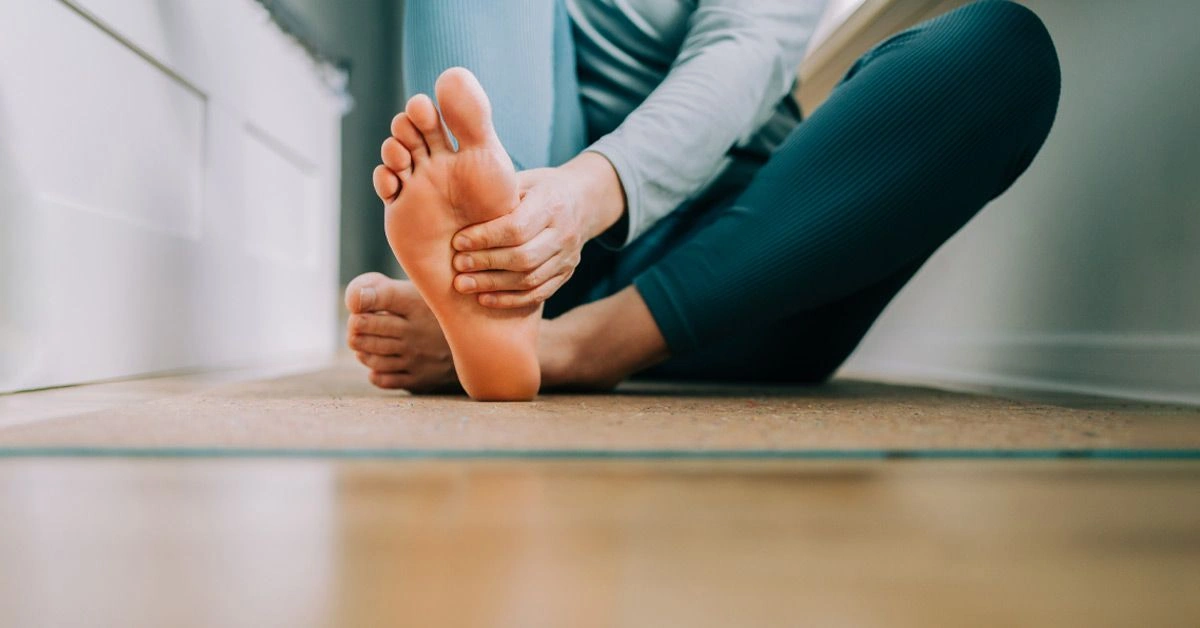
You can often manage foot corns using over-the-counter treatments and simple home remedies. Many people explore Deep corn removal at home as a first step before seeking professional care. In addition, taking preventive measures—such as wearing properly fitting, comfortable footwear—may help reduce the risk of new corns forming.
Foot corns are thickened, hardened layers of skin that develop as a natural response to repeated friction and pressure. If you’re considering deep corn removal at home, it’s important to first recognize the typical signs. You may notice the following symptoms on the tops or sides of your toes:
- a rough, tough, yellowing patch of lumpy or bumpy skin
- skin that feels tender or sensitive when touched
- discomfort or pain while wearing shoes
Below, you’ll find practical guidance on treating existing corns and lowering your chances of developing additional ones.
Where do foot corns develop?
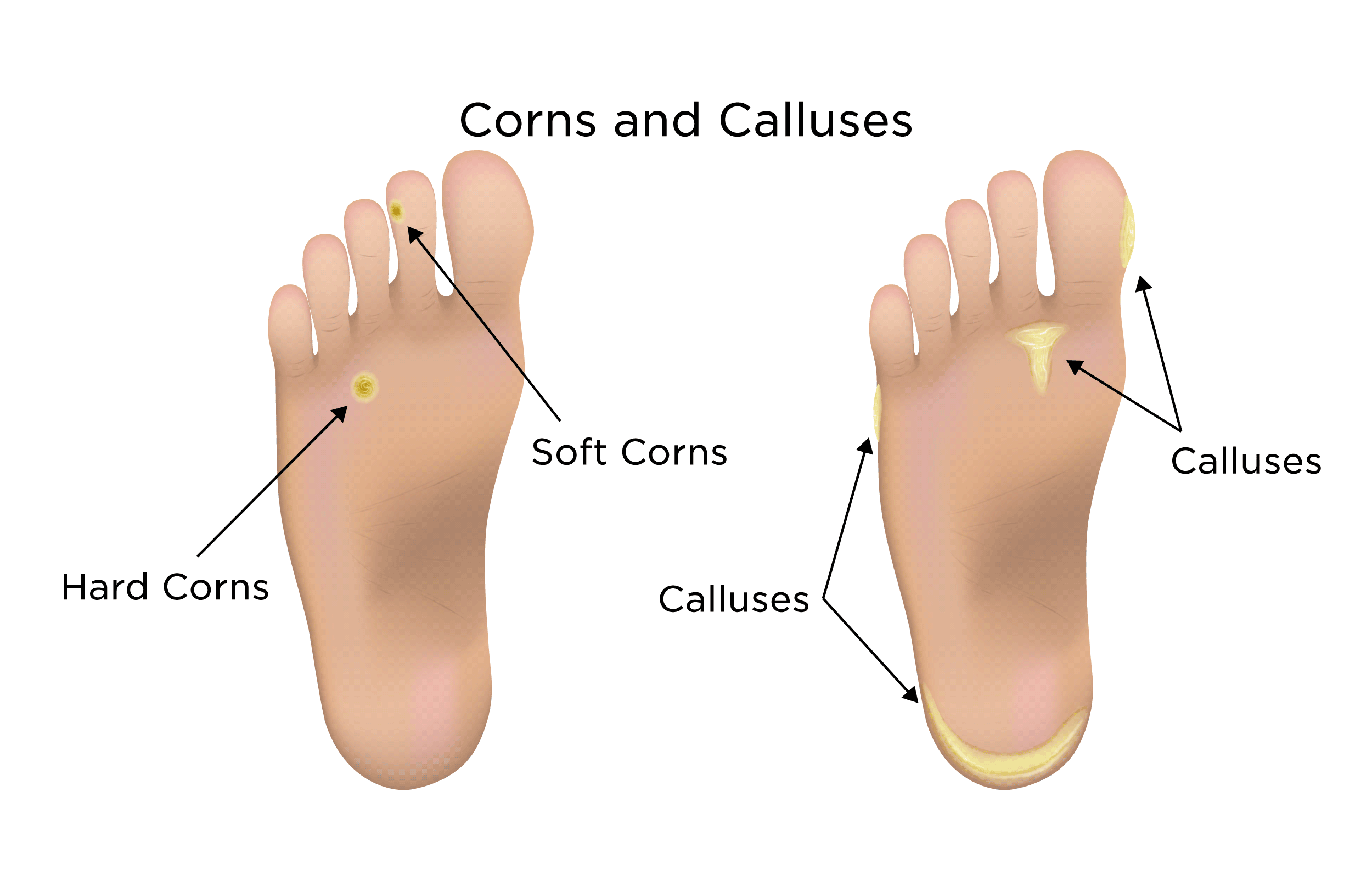
Corns can appear in several different areas of the feet, including:
- underneath the toenail bed
- between the toes
- along the sides of the feet
- on the soles of the feet
They most commonly develop on the tops of the toes, where shoes frequently rub against the skin.
What do foot corns look like?
Foot corns typically appear as thickened, hardened patches of skin with a slightly yellowish color. They may feel firm to the touch and often have a defined center. If you’re unsure about the healing stages after treatment, you can learn more about What does a corn look like after removed to better understand what to expect.
What causes foot corns?
Wearing shoes that are too tight or narrow is a common cause of foot corns. Prolonged standing or walking can also contribute, as your body weight and ongoing friction place continuous pressure on certain areas of your feet, leading to painful corns on the soles.
Some individuals may be more likely to develop corns due to the structure of their feet or the way they walk. Abnormal gait patterns, bunions, or toe deformities can increase localized pressure.
Although corns form as a protective mechanism to shield your skin from further irritation, they can become uncomfortable or painful over time, especially if the underlying pressure continues.
How can you treat foot corns?
If you have a corn, there are several approaches you can try for Deep corn removal at home. In addition to home care, replacing shoes that cause rubbing is essential to prevent the corn from worsening.
File away the corn
Gradually filing down a corn may help reduce its thickness over time.
Follow these steps:
- Soak your feet in a warm bath containing Epsom salts to help soften the hardened skin.
- After soaking, gently pat your feet dry with a clean towel and apply a moisturizing lotion or cocoa butter to keep the skin hydrated.
- Repeat this routine daily until the corn becomes softer.
- Once softened and no longer painful, lightly rub the corn with a pumice stone.
- If the corn is located between your toes, you may use an emery board (nail file) to carefully smooth the area.
- Continue these steps consistently. It may take several weeks for the corn to fully disappear.
Avoid cutting or injuring the skin during this process. Always be gentle, and stop immediately if you experience pain or notice any signs of irritation.
Apply castor oil and corn pads
Another option for deep corn removal at home involves daily soaking as described above, followed by these additional steps once the corn has softened:
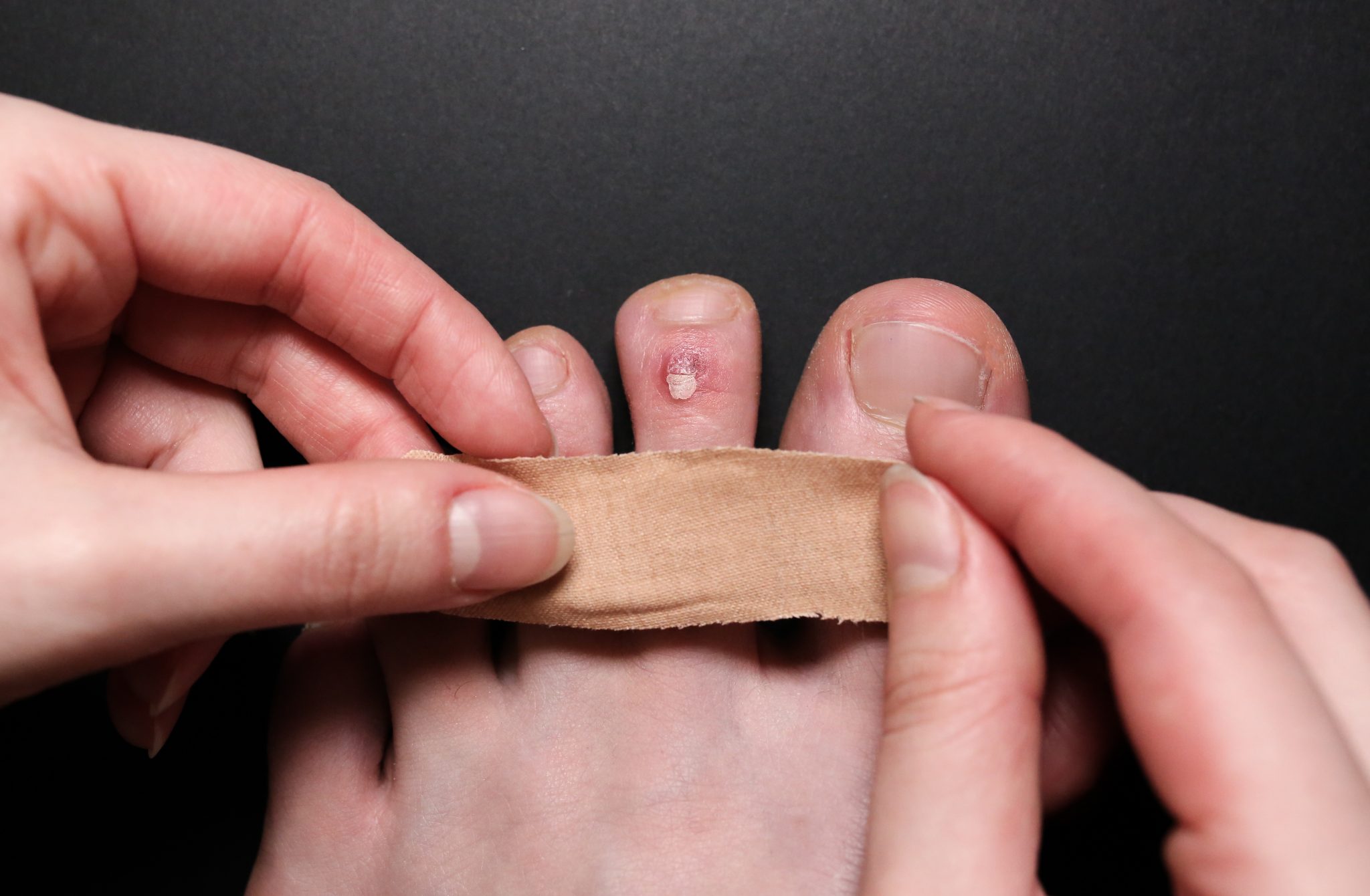
- Dry your feet thoroughly and apply castor oil, a vegetable-based oil available at most pharmacies.
- After coating the corn with castor oil, cover it with a specially designed corn pad. These pads help reduce pressure on the affected area, allowing the corn to gradually heal.
- Wear loose-fitting socks afterward—preferably ones you don’t mind staining, as castor oil can leave marks. Healing may take several weeks.
You may also find corn pads that contain salicylic acid, which works by shedding the dead layers of thickened skin. These products are typically available in the foot care section of your local pharmacy. Some people also look for ways to Remove corns on feet overnight, but keep in mind that safe and effective treatment usually requires patience and consistent care rather than a quick fix.
If you have certain medical conditions, such as diabetes, it may not be safe to attempt at-home removal methods. In these cases, consult a medical professional before trying any treatment to avoid complications.
When should you visit your doctor for foot corns?
If home treatments do not provide relief, schedule an appointment with your doctor. You may be referred to a podiatrist, a specialist in foot conditions.
To treat the corn, the doctor may carefully scrape, shave, or trim away layers of hardened skin. This clinical approach can effectively remove the corn while minimizing the risk of infection.
Depending on the corn’s size and depth, more than one visit may be necessary for complete removal.
Never attempt to cut off a corn yourself at home. Doing so can damage healthy skin and increase your risk of infection. Healthcare professionals are trained to perform this procedure safely using sterile instruments.
How can you prevent foot corns?
The most effective way to prevent corns from developing or recurring is to wear well-fitting, supportive shoes. Make sure your toes have enough space to move freely without rubbing against the shoe.
You might need to choose a larger size or select shoes designed for wider feet. A knowledgeable shoe store associate can measure your feet and help you find a better fit, which is especially important if you frequently experience pressure-related foot problems.
When breaking in new shoes, consider wearing thicker socks to provide extra cushioning. You can also apply breathable bandages over areas prone to friction, such as the tops of your toes or the sides of your feet.
Additional preventive measures include wearing socks with all closed-toe shoes and keeping your toenails properly trimmed. Long toenails can push your toes into abnormal positions, increasing friction and pressure that contribute to corn formation.
Takeaway
Corns are thickened areas of skin that can be uncomfortable but are generally not serious.
If you frequently experience corns, evaluate your footwear and opt for more supportive, properly fitting shoes that accommodate your foot shape and walking pattern.
For treatment, Deep corn removal at home may involve soaking, moisturizing, gentle filing, and protective padding. If symptoms persist or you have underlying health conditions, seek professional care to ensure safe and effective management.


















Leave a Reply
You must be logged in to post a comment.