

Ice cream is a delightful indulgence, known for its creamy texture, chilly temperature, and sweet flavor.
Still, like most sugary desserts, it tends to be high in calories, sugar, and fat.
If you’ve ever asked yourself, Is Halo Top ice cream bad for you, or wondered how traditional ice cream fits into a balanced eating plan, it’s important to understand the broader nutritional picture.
This article walks you through everything you should know about ice cream, including how lighter options such as Halo Top compare from a health perspective.

Ice cream nutrition
The nutritional composition of ice cream differs based on the brand, flavor, and variety you select.
The table below outlines the nutrients found in four popular types of vanilla ice cream per 1/2-cup (65–92-gram) serving (1, 2, 3, 4):
| Regular | Premium | Low-fat | No added sugar | |
| Calories | 140 | 210 | 130 | 115 |
| Total fat | 7 grams | 13 grams | 2.5 grams | 5 grams |
| Cholesterol | 30 mg | 70 mg | 10 mg | 18 mg |
| Protein | 2 grams | 3 grams | 3 grams | 3 grams |
| Total carbs | 17 grams | 20 grams | 17 grams | 15 grams |
| Sugar | 14 grams | 19 grams | 13 grams | 4 grams |
Generally, premium ice cream — which is formulated to taste richer and creamier than regular varieties — also contains more sugar, fat, and overall calories.
Interestingly, although low-fat or no-sugar-added options are frequently marketed as healthier choices, they may provide a similar calorie count to regular ice cream.
In addition, products labeled as no added sugar commonly include sweeteners such as sugar alcohols. In some individuals, these ingredients can trigger digestive discomfort, including bloating and gas (5).
That said, most ice creams do supply certain minerals. A 1/2-cup (65-gram) serving typically delivers about 6% of the Daily Value (DV) for phosphorus and 10% of the DV for calcium. Both nutrients play key roles in muscle contraction and maintaining strong bones (6).
However, these modest nutritional benefits do not outweigh the relatively high calorie and sugar content.
summary Most ice cream varieties are calorie-dense and high in added sugar while offering limited nutrients. Even low-fat and no-sugar-added versions may be similar in calories and can contain alternative sweeteners.
Potential downsides
Like many processed sweets, ice cream has several potential health drawbacks worth considering.
High in added sugar
It’s widely known that ice cream contains significant amounts of sugar.
Many types provide 12–24 grams of added sugar in just a 1/2-cup (65-gram) portion (1).
Dietary guidelines recommend limiting added sugars to less than 10% of total daily calories — approximately 50 grams of sugar on a 2,000-calorie diet (7).
As a result, even one or two small servings can quickly bring you close to this daily threshold.
Research also associates high sugar consumption with several chronic health conditions, including obesity, heart disease, diabetes, and fatty liver disease (8, 9). For individuals monitoring blood sugar levels or metabolic health, this is an especially important consideration when evaluating frozen desserts.
Calorie-dense and low in nutrients
Ice cream packs a considerable number of calories into a relatively small serving, yet provides minimal vitamins and minerals aside from calcium and phosphorus (10).
Enjoying it occasionally is unlikely to negatively affect your overall nutrient intake. However, if ice cream frequently replaces nutrient-rich foods such as fruits, vegetables, legumes, or whole grains, your diet may fall short in essential micronutrients.
Additionally, because it is energy-dense, regularly eating large portions may contribute to weight gain over time — especially without mindful portion control.
May contain unhealthy additives
Many commercially produced ice creams are highly processed and contain artificial flavors, stabilizers, and other additives.
Some artificial additives and preservatives have been linked to potential health risks, while others are considered safe in regulated amounts.
Notably, the Food and Drug Administration (FDA) recently prohibited seven artificial flavorings, including benzophenone, due to their connection with cancer in animal studies. These substances were previously used in ice cream and other sweets (11, 12).
Processed ice creams may also include artificial food colorings such as Red No. 3 (erythrosine) and Blue No. 2 (indigo carmine). Although approved by the FDA, certain studies suggest a possible association between these dyes and hyperactivity or behavioral concerns in children (13).
Guar gum, commonly used to improve texture and thickness, is generally recognized as safe. Still, some individuals report mild gastrointestinal symptoms like bloating, gas, or cramps (14).
Furthermore, animal and test-tube research indicates that carrageenan, another ingredient sometimes present in ice cream, may contribute to intestinal inflammation (15).
summary Ice cream may be high in added sugar and calories, low in overall nutrients, and contain artificial ingredients or stabilizers.
Can you include ice cream in a healthy diet?
Enjoying dessert occasionally can absolutely fit within a balanced, nutritious diet. The primary factor is moderation.
To help prevent overeating, consider choosing pre-portioned items such as ice cream bars or smaller containers. Alternatively, serving your portion in a small bowl instead of eating directly from the carton can make a meaningful difference.
Keep in mind that even products advertised as low-fat or low-sugar are not automatically healthier. They may contain similar calories or added sweeteners. Reviewing nutrition labels can help you make an informed decision.
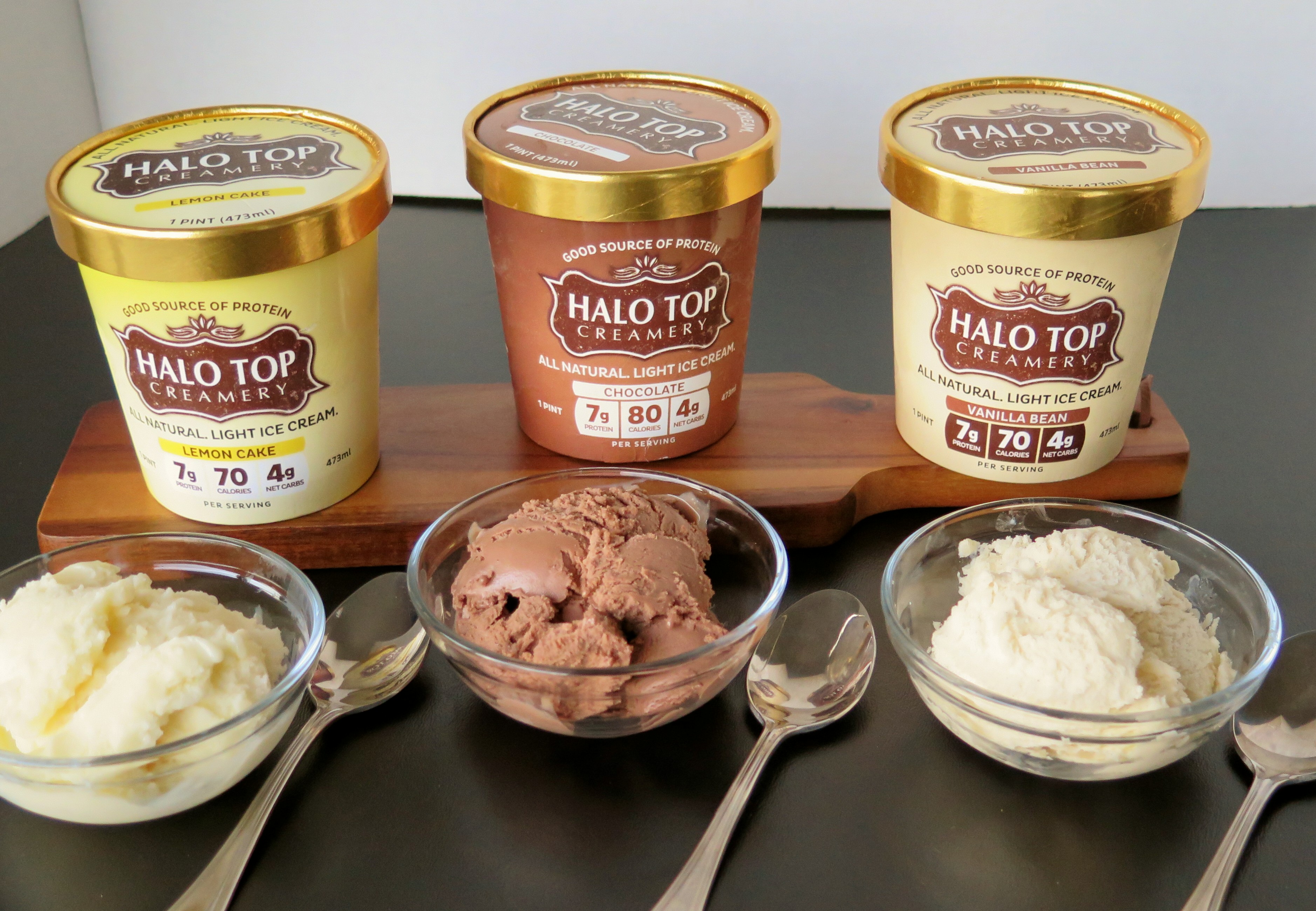
If you’re specifically wondering, Is Halo Top ice cream bad for you, it’s helpful to compare ingredient lists and nutrition facts. You can read more in our in-depth analysis on Why Halo Top ice cream is bad and explore whether it aligns with your goals in Is Halo Top good for weight loss. These resources provide additional context about calorie control, sugar substitutes, and protein-enriched frozen desserts.
Practicing mindful eating — slowing down, savoring each bite, and paying attention to fullness cues — can also enhance satisfaction while reducing the likelihood of overconsumption.
summary Ice cream can be included in a healthy eating pattern when consumed occasionally and in controlled portions.
Recommendations for healthy ice cream
When selecting ice cream, carefully examine the nutrition facts and ingredient list. Opt for products made primarily with recognizable ingredients such as cream, milk, cocoa, and vanilla beans.
If possible, steer clear of heavily processed varieties by choosing options with fewer, easy-to-identify ingredients (16).
If weight management is a priority, look for choices with lower added sugar and fewer than 200 calories per serving. Paying attention to serving size is equally important, as many containers hold multiple servings.
You may also prepare a lighter, nutrient-dense version at home using just two ingredients:
- 2 ripe bananas, frozen, peeled, and chopped
- 4 tablespoons (60 ml) of unsweetened almond, coconut, or cow’s milk
Blend the ingredients in a food processor or blender until smooth and creamy. Add extra milk as needed to reach your desired texture. Enjoy immediately for a soft-serve consistency or freeze briefly for a firmer scoop.
This homemade alternative contains no added sugar, fewer calories, and provides more nutrients than traditional ice cream.
summary Choosing minimally processed ice cream with simple ingredients — or making your own — can help you enjoy a healthier frozen dessert.
The bottom line
Ice cream is a refreshing and satisfying sweet treat.
However, it is typically high in sugar, calories, and sometimes additives or artificial ingredients.
If you’re evaluating options and asking, Is Halo Top ice cream bad for you, the answer depends on your overall diet, portion sizes, and health goals. Reading labels and understanding ingredients can help you make a more informed choice.
Ultimately, ice cream — whether traditional or light — can be part of a well-rounded diet when eaten occasionally and in moderation.























Leave a Reply
You must be logged in to post a comment.