

The length of time nicotine remains in your body varies based on how frequently and how much you’re exposed to it. It also differs depending on whether you smoke, chew tobacco, vape, or inhale secondhand smoke.
If you’re researching How to pass a nicotine test for health insurance, it’s essential to first understand how nicotine is processed and detected in the body. Insurance providers commonly screen for nicotine use by measuring its metabolites, especially cotinine, which can linger even after you stop using tobacco products.
Whenever you smoke cigarettes, vape, chew tobacco, or breathe in secondhand cigarette smoke, nicotine enters your bloodstream and circulates throughout your body.
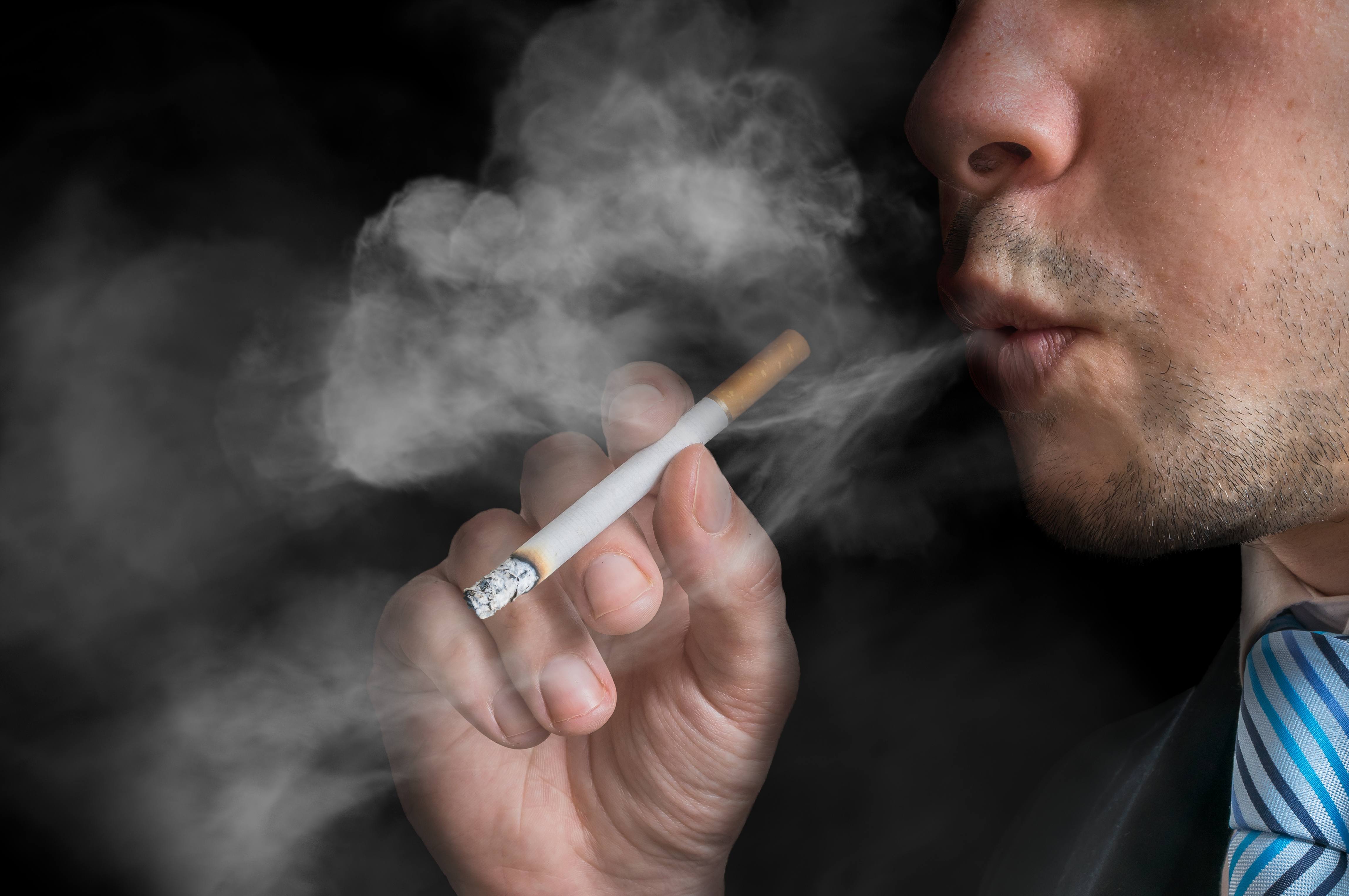
Your liver enzymes metabolize most of this nicotine into cotinine. The greater the nicotine intake, the higher the cotinine concentration that can appear in your urine. These compounds are ultimately filtered by your kidneys and excreted through urine.
Cotinine is widely used as a biomarker for nicotine exposure because it is highly sensitive and has a longer half-life than other nicotine metabolites, making it easier to detect over time.
Testing for cotinine can generally distinguish between active smoking or vaping and passive exposure. How long it remains measurable in your body depends on the method of nicotine intake and the frequency of use.
Below, you’ll learn how long nicotine and cotinine can be identified in your urine, blood, saliva, and hair — information that is particularly relevant when preparing for medical screening or health insurance evaluations.
How long do traces of nicotine stay in your urine?
Cotinine is the primary marker used to assess nicotine exposure. Since its concentration is typically higher in urine than in blood or saliva, urine testing is the most common method used.

A 2019 study reported that a cotinine urine test could identify smoking behavior for at least 3 days after use. Another 2020 study found that cotinine may still be present in urine for at least 8 weeks in some individuals.
Keep in mind that metabolism differs from person to person. Genetic variations can influence how quickly nicotine is broken down and how long cotinine remains detectable.
Your cotinine level is also influenced by how recently you last used nicotine.
For example, if you currently smoke, urine cotinine levels may range from 1,000 to 8,000 nanograms per milliliter (ng/mL). If you abstain from nicotine for 2 weeks prior to testing, your urine cotinine level may fall below 50 ng/mL.
Each laboratory may use slightly different cutoff values for determining a positive result. For this reason, it’s important to review your results with a healthcare professional or lab technician.
Even individuals with significant secondhand smoke exposure can test positive. In such cases, cotinine levels may fall between 0.5 and 10 ng/mL.
If you’re preparing for a screening and wondering How to pass a nicotine test for health insurance, understanding urine detection windows is crucial. Avoiding all nicotine products — including cigarettes, vapes, nicotine gum, and patches — well in advance of testing is typically necessary. You may also want to review related concerns such as Does weed show up on a nicotine test, as many people confuse different types of screenings.
How long will traces of nicotine be present in your blood and saliva?
Nicotine exposure can also be evaluated through blood and saliva testing by measuring cotinine levels.
However, cotinine concentrations in blood and saliva are usually lower than those found in urine. As a result, cotinine may become undetectable in these fluids sooner than in urine samples.
The exact timeframe for detecting cotinine in blood depends on factors such as your genetic profile and the amount of nicotine exposure.
Blood tests may be less sensitive compared to urine tests, which can sometimes result in false negatives or false positives.
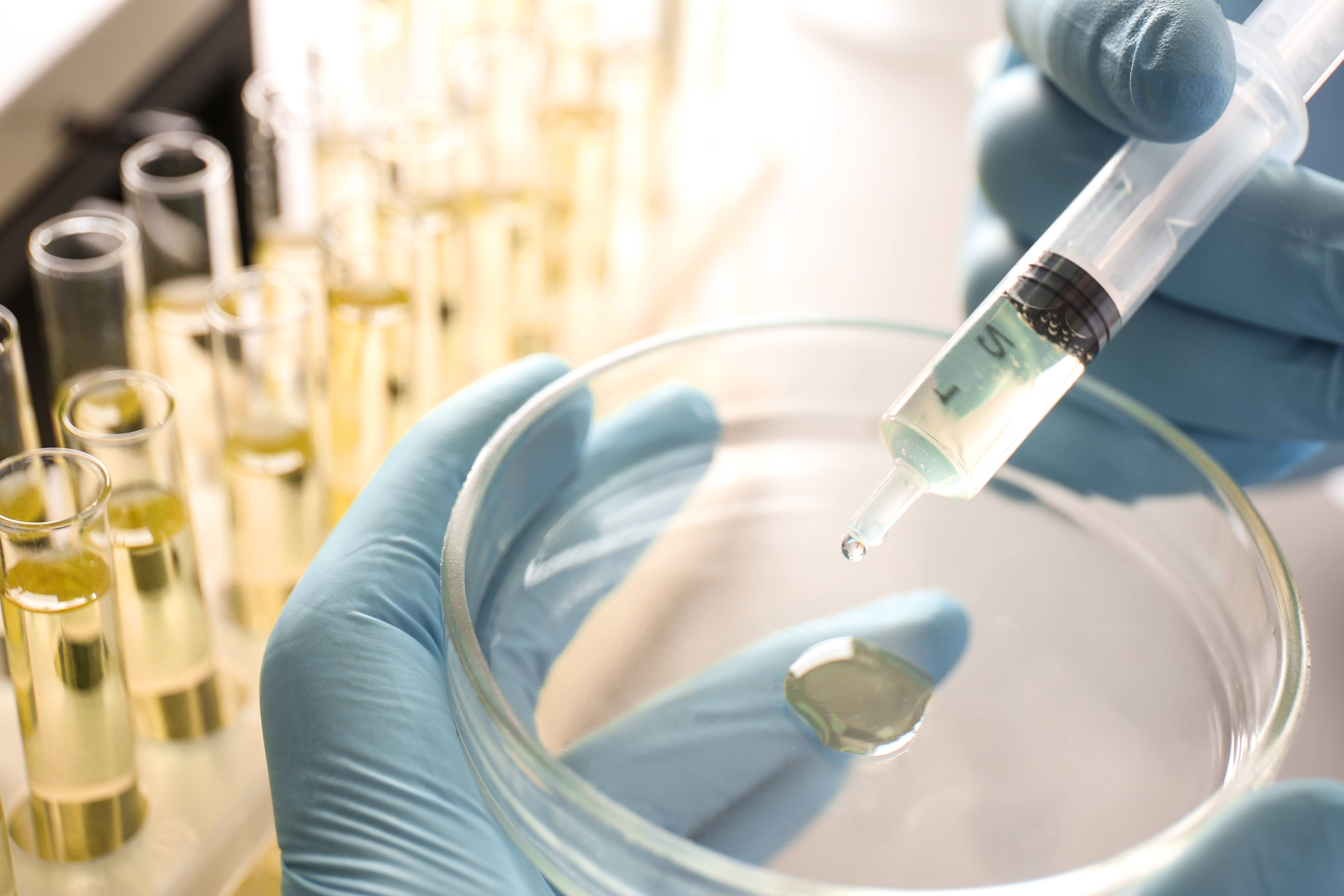
Nicotine blood testing may be qualitative — identifying whether nicotine is present — or quantitative, measuring the amount of nicotine in the bloodstream.
Some laboratory panels also evaluate another nicotine byproduct known as anabasine, which can help differentiate tobacco use from nicotine replacement therapy (NRT).
How long do traces of nicotine stay in your hair follicles?
According to a 2021 review, nicotine traces can be detected in hair follicles for weeks, months, or even years following last exposure.
The detection window may vary based on the specific hair analysis performed and individual genetic differences that influence metabolism.
It’s important to note that hair test findings may not always align with blood test results. Hair analysis can also reflect environmental or passive exposure to tobacco smoke.
Although hair testing is available, it is used less frequently than urine, saliva, or blood testing in clinical and insurance settings.
How can you clear nicotine from your body?
The most effective way to eliminate nicotine from your system is to completely stop using tobacco and nicotine-containing products.
If you smoke, vape, or use other nicotine products, reducing use or quitting allows your body’s cells to focus on metabolizing and removing nicotine and cotinine.
To support this natural detoxification process, you can consider the following lifestyle strategies:
- Drink water: Increasing hydration may help your kidneys flush nicotine metabolites out through urine.
- Exercise: Physical activity boosts metabolism, which may assist your body in processing nicotine more efficiently.
- Eat foods rich in antioxidants: Antioxidant-containing foods such as oranges and carrots can help support metabolic function and overall cellular health.
While no method can instantly “flush” nicotine from your body, adopting healthy habits can support your natural metabolic processes. For those concerned about How to pass a nicotine test for health insurance, the safest and most reliable strategy is sustained nicotine abstinence before testing, rather than attempting last-minute detox methods.
Are there withdrawal effects as nicotine leaves your system?
Nicotine is the primary addictive substance found in cigarettes, vapes, and other tobacco products.
Cutting back or quitting entirely can trigger withdrawal symptoms, including strong cravings, irritability, and insomnia.
Symptoms are often most intense during the first few hours after your last nicotine use and typically begin to ease after the first 3 days.
The severity and duration of withdrawal vary depending on factors such as how long you’ve used nicotine, how frequently you use it, and your daily consumption level.
Nicotine replacement therapies (NRTs), including nicotine patches, may help reduce withdrawal discomfort.
According to Smokefree.gov, developed by the National Cancer Institute, using NRT can double your likelihood of quitting successfully.
However, if you are using NRT, nicotine will still be present in your body and may be detectable during testing. This is an important consideration for individuals undergoing screening for employment or health insurance purposes.
Frequently asked questions
Why would someone need a nicotine test?
An individual may be required to take a nicotine test for employment, health insurance underwriting, or as part of a smoking cessation program.
How do you flush nicotine out fast?
Maintaining hydration and engaging in regular exercise may support your metabolism, potentially helping your body process nicotine more efficiently. Consuming antioxidant-rich foods may also contribute to overall metabolic health.
How long does a puff of nicotine stay in your system?
There is no universal answer. The duration depends on the specific nicotine product — whether it was a cigarette, spliff, cigar, or vape.
In general, a substance is considered eliminated after 4 to 5 half-lives. Since the half-life of cotinine ranges from 16 to 40 hours, it may take approximately 8 to 9 days for it to be cleared from the body.
Can your doctor tell if you vape?
A healthcare professional typically cannot determine whether you vape — or what substances you vape — unless specific laboratory tests are performed.
During a routine physical exam, your clinician may assess lung function. Vaping, similar to smoking, can impact respiratory health.
They may also ask about tobacco or nicotine use to help identify potential causes of breathing changes or reduced lung capacity.
Can doctors tell if you smoke from a blood test?
Standard blood tests do not automatically reveal whether you smoke or use tobacco products.
However, if your clinician orders testing specifically to evaluate nicotine exposure, they can determine whether nicotine is present.
The bottom line
If you use tobacco, nicotine traces may be detected in your hair, blood, urine, and saliva. Urine testing can identify cotinine for at least 3 days after exposure, while hair testing may reveal exposure for weeks or longer.
For individuals concerned about How to pass a nicotine test for health insurance, the most dependable approach is to stop using all nicotine products well before your screening. Long-term cessation not only improves test outcomes but also supports overall health and reduces the risk of smoking-related disease.
The most effective way to eliminate nicotine from your body is to avoid tobacco and nicotine products altogether.



















Leave a Reply
You must be logged in to post a comment.