
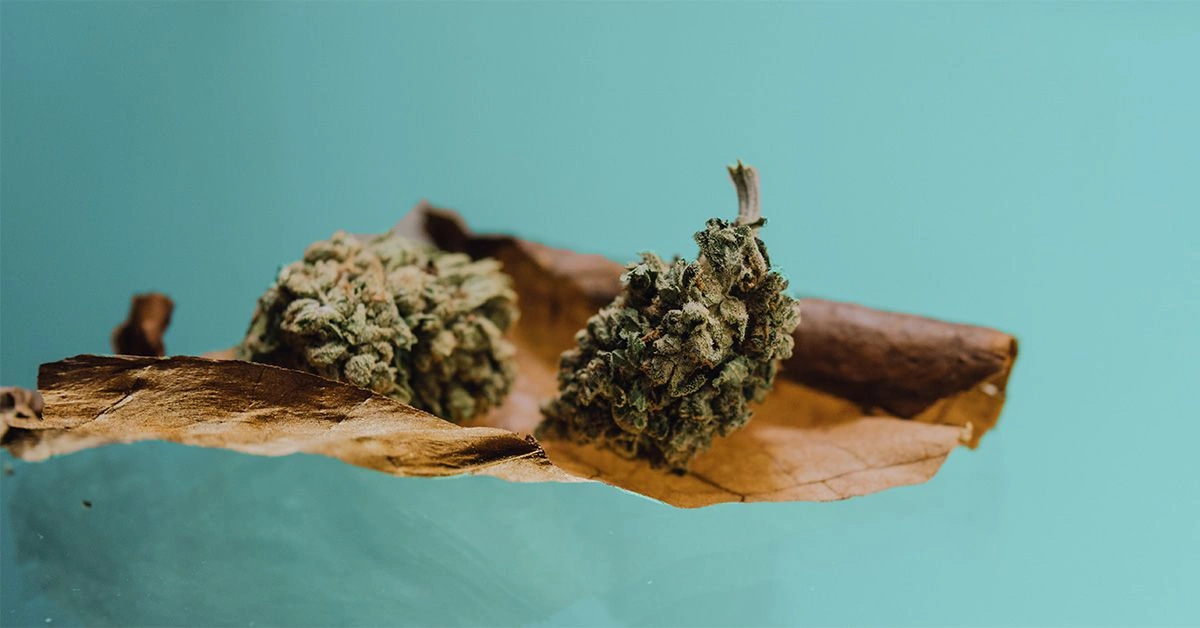
Blunts are cigars that have had the tobacco swapped out for cannabis. They typically pack considerably more marijuana than a standard joint.
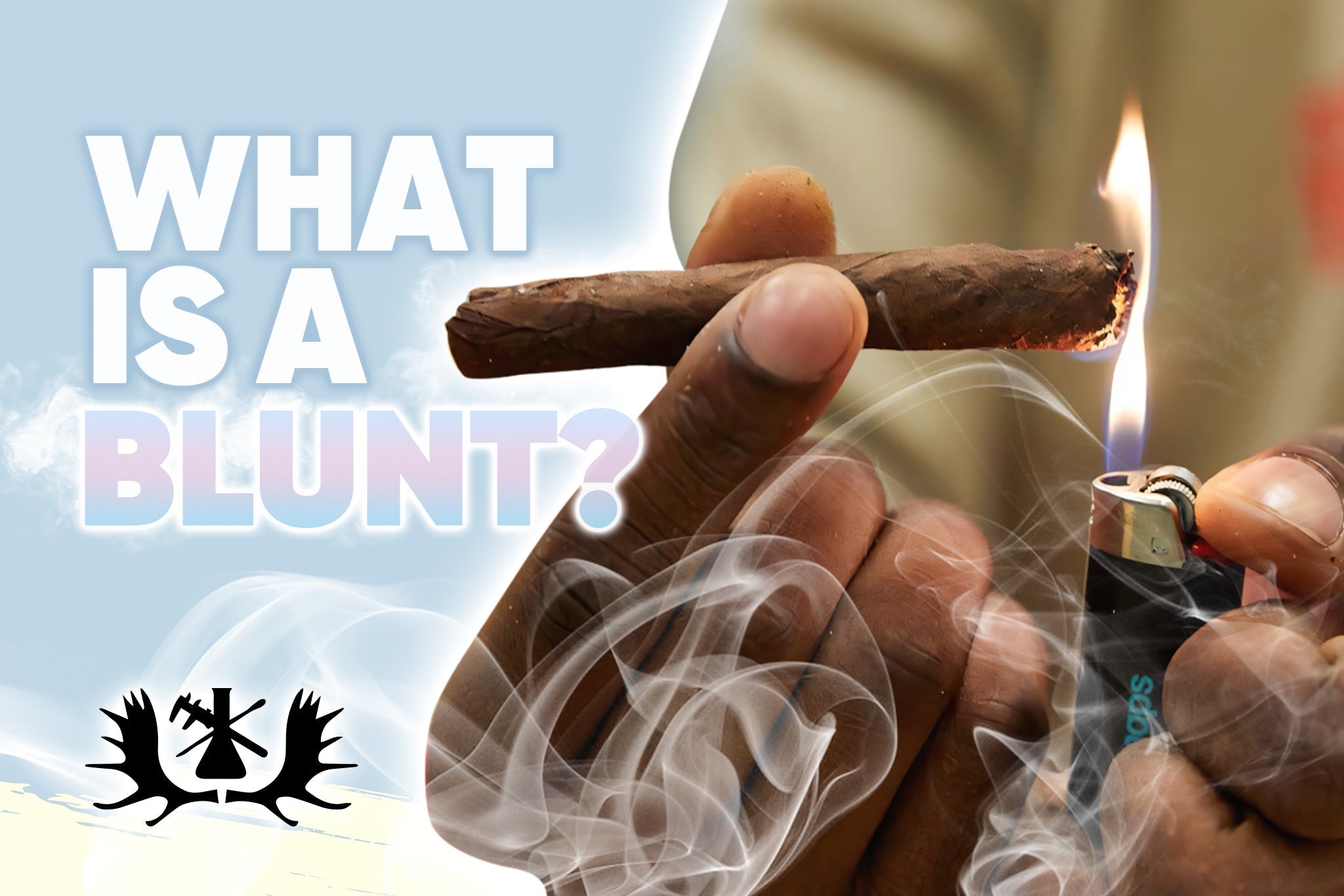
People often use the words blunt, spliff, and joint interchangeably, but they aren’t identical. To complicate matters further, cannabis terminology shifts across regions.
Below is an overview of what these terms generally mean in the United States.
So what exactly is a blunt?
A blunt is essentially a cigar with the tobacco removed and replaced by cannabis. Blunts can also be rolled using tobacco leaf wrappers.
The term “blunt” traces back to the Phillies Blunt cigar brand. Various online accounts suggest blunts started in New York as a discreet way to smoke cannabis, among other reasons.
Here are a few points to keep in mind before you break out a cigar wrap or buy a blunt wrap at the corner store:
- Blunts hold much more cannabis: Cigars are significantly larger than the typical joint. Smoking a full blunt is roughly comparable to smoking six joints.
- Cigars and their wrappers can be highly toxic: Even when you remove the tobacco, the fermentation process can leave behind high levels of cancer-causing nitrosamines and other harmful compounds. Cigar wrappers are also more porous than rolling papers, which can lead to less complete combustion and smoke with higher toxin concentrations.
- You’re inhaling damaging toxins: All smoke harms lung health, regardless of the source. According to the American Lung Association, cannabis smoke contains many of the same toxins and carcinogens found in tobacco smoke. People often inhale cannabis more deeply and hold the smoke longer, which increases exposure to irritants and toxins that harm the lungs and airways.
What is a spliff?
A spliff is a mix of cannabis and tobacco, usually rolled in cigarette papers.
The word “spliff” comes from West Indian usage and is thought to play on “split” — suggesting a mix of weed and tobacco — and “whiff,” referring to the smoke’s scent. Another explanation is that adding tobacco helps mask cannabis’ odor.
Both cannabis and tobacco smoke can damage lung tissue and raise the risk of serious health problems. Mixing tobacco with cannabis simply adds tobacco’s harmful effects to the mix.
Key things to know:
- Combining tobacco and cannabis may boost dependence risk: The two substances can offset some unpleasant effects while amplifying pleasurable ones like relaxation. That can make the negative effects less noticeable and increase the likelihood of continued use.
- Unfiltered tobacco raises cancer and mortality risks: A 2019 study found that unfiltered cigarette smokers were twice as likely to die from lung cancer and 30% more likely to die from any cause compared with filtered cigarette smokers. A spliff may contain less tobacco than a cigarette, but it still delivers unfiltered tobacco smoke.
Where do joints fall in?
Joints are the simplest form: ground cannabis rolled in cigarette paper. Sometimes people include a crutch — a firmer bit of paper that acts as a mouthpiece.
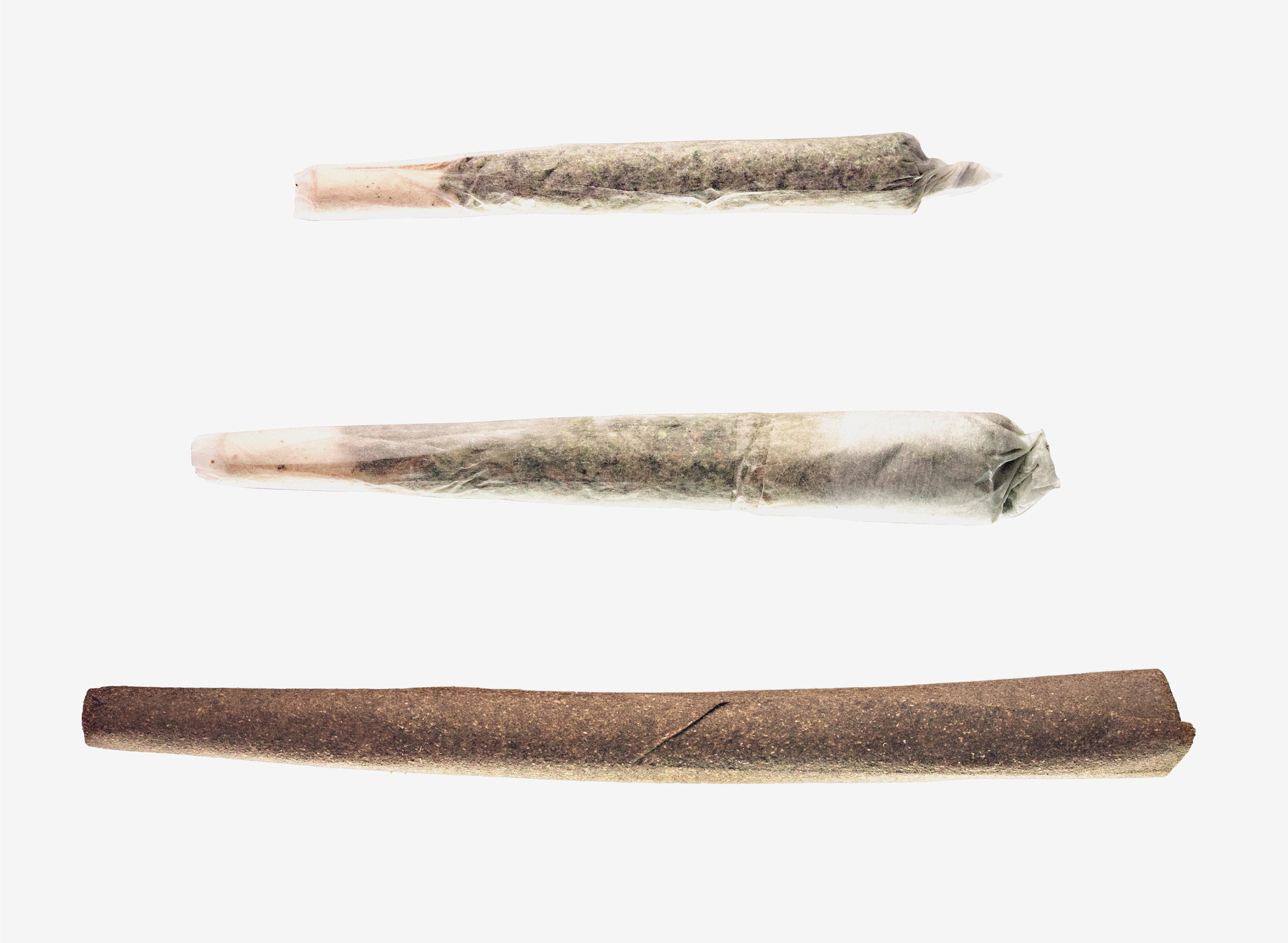
Unlike spliffs and blunts, which include tobacco, joints consist solely of cannabis and the paper. The benefit is you’re not exposing yourself to tobacco or nicotine.
However, joints aren’t much safer:
- Cannabis smoke can be as damaging as tobacco smoke: Smoking irritates the lungs. Regular cannabis smokers often display similar symptoms to tobacco smokers, such as chronic cough and frequent respiratory infections.
- Cannabis smoking may cause air pockets in the lungs: The American Lung Association reports links between heavy cannabis smoking and the development of large air bubbles in the lungs and air pockets between the lungs and chest wall in young and middle-aged heavy users.
- Secondhand cannabis smoke may be as bad or worse: Secondhand cannabis smoke contains many of the same toxins and carcinogens as directly inhaled smoke and can even have higher concentrations.
Is any method safer than the others?
Some argue joints are marginally better because they don’t include tobacco, but the advantage is small. There’s no safe way to smoke anything. Joints, spliffs, blunts, pipes, and bongs all carry health risks.
With cannabis becoming more readily available, there are now many consumption options that don’t involve inhaling smoke.
Edibles
Eating cannabis is not new — people have made pot brownies and brewed cannabis tea for decades. In places where cannabis is legal, you can now find gummies, lollipops, and capsules.
Be aware that it’s easy to overconsume edibles, so start with a low dose, especially if you’re inexperienced.
Oils
Cannabidiol oil, or CBD oil, is extracted from cannabis. CBD oil typically doesn’t contain THC — the compound that causes intoxication — but it can provide other effects.
You can use CBD oil topically for pain relief, mix it into food and beverages, or take it in capsule form.
Sprays
Sprays are a newer delivery method. Liquids infused with CBD and THC are administered under the tongue.
The downside is limited research — there isn’t much known yet about the long-term safety of cannabis sprays.
Vaping
Long-term data on vaping safety are lacking. In recent years, vaping has been tied to severe illnesses and even deaths.
If you choose to vape, purchase cartridges from licensed dispensaries and avoid liquids with additives like colorants, flavorings, and fragrances.
The takeaway
Blunts, spliffs, and joints are the primary ways people roll and smoke cannabis. Though each differs slightly, they all involve the harms associated with smoking.
If you want to use cannabis while avoiding smoke-related harms, consider non-smoking alternatives. Always buy products from licensed dispensaries and be cautious with dosing to prevent unwanted effects.





















Leave a Reply
You must be logged in to post a comment.