

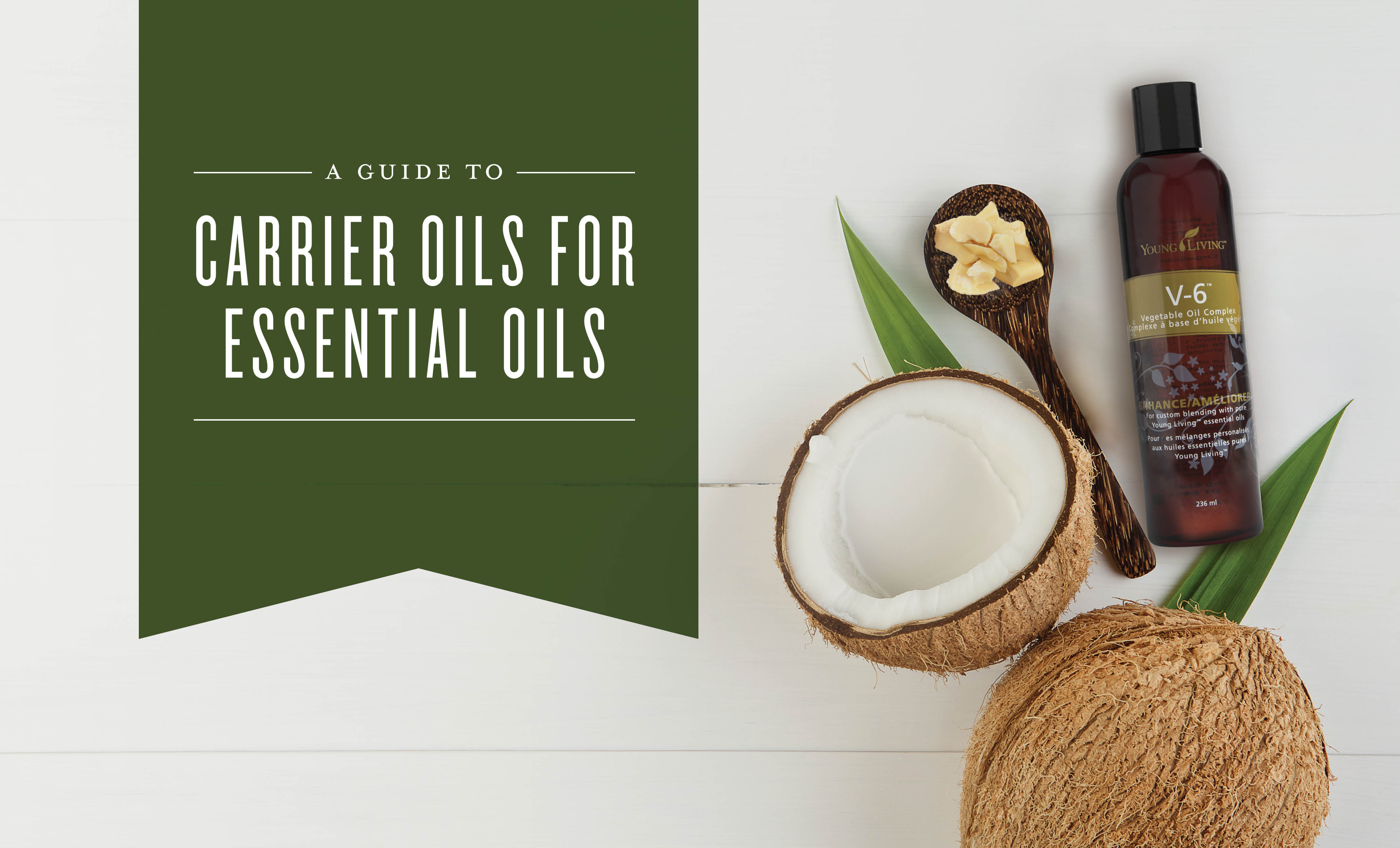
Carrier oils, such as coconut oil and jojoba oil, are used to thin essential oils so they can be applied safely. They also frequently provide moisturizing benefits for the skin.
What are carrier oils?
Both carrier oils and essential oils are plant-derived. Carrier oils dilute essential oils and “carry” them onto the skin, because undiluted essential oils are concentrated and can irritate when used directly.
Most carrier oils are either scent-free or only mildly fragrant, so they typically do not interfere with an essential oil’s therapeutic qualities. They can be used on their own or blended with other oils to nourish the skin.
Keep reading to find guidance on selecting the best carrier oil, a rundown of common carrier oils, and more.
How to choose the carrier oil you need
There are many carrier oils on the market. While most work with a wide range of essential oils, consider a few factors before picking one.
Think about
- Scent: Some carrier oils have a noticeable smell that can change the combined aroma when mixed with an essential oil.
- Absorption: Certain carrier oils penetrate the skin more readily than others.
- Skin type: Depending on your skin, some oils might irritate or exacerbate conditions like acne.
- Shelf life: Shelf stability varies — some carrier oils last longer without spoiling.
The U.S. Food and Drug Administration doesn’t regulate carrier oils marketed for cosmetic use, though it does oversee edible cooking oils that may double as carrier oils.
Purchase therapeutic-grade carrier oils from a reputable brand. Prefer cold-pressed, 100 percent pure oils with no additives or preservatives. If you plan to use a cooking oil as a carrier, opt for cold-pressed, organic versions.
The list below highlights popular carrier oils commonly used to dilute essential oils for aromatherapy, massage, and skincare. It’s not exhaustive but offers a helpful starting point.
1. Coconut oil
Coconut oil is an edible oil extracted from mature coconut meat. It’s sold in refined and unrefined forms.
Unrefined coconut oil is derived from fresh coconut flesh and isn’t chemically processed, so it retains its coconut scent and flavor.
Refined coconut oil is made from dried coconut (copra). It’s bleached and deodorized to remove impurities and the characteristic coconut scent and flavor. Refined coconut is more processed and generally not recommended as a carrier oil.
Uses: Coconut oil contains skin-friendly fatty acids and polyphenols, making it an excellent carrier oil for massage blends and skincare formulas.
2. Jojoba oil
Jojoba oil is obtained from the seeds of the jojoba plant and has a subtle, nutty smell. Technically, jojoba is a wax ester rather than a true oil, but it has potent hydrating qualities and is thought to mimic the skin’s natural sebum.
Using jojoba oil may trick the skin into reducing its own oil production, which can help people with acne-prone skin.
Uses: Jojoba absorbs easily and is non-comedogenic, making it a solid choice for massage oils, facial moisturizers, and bath oils.
3. Apricot kernel oil
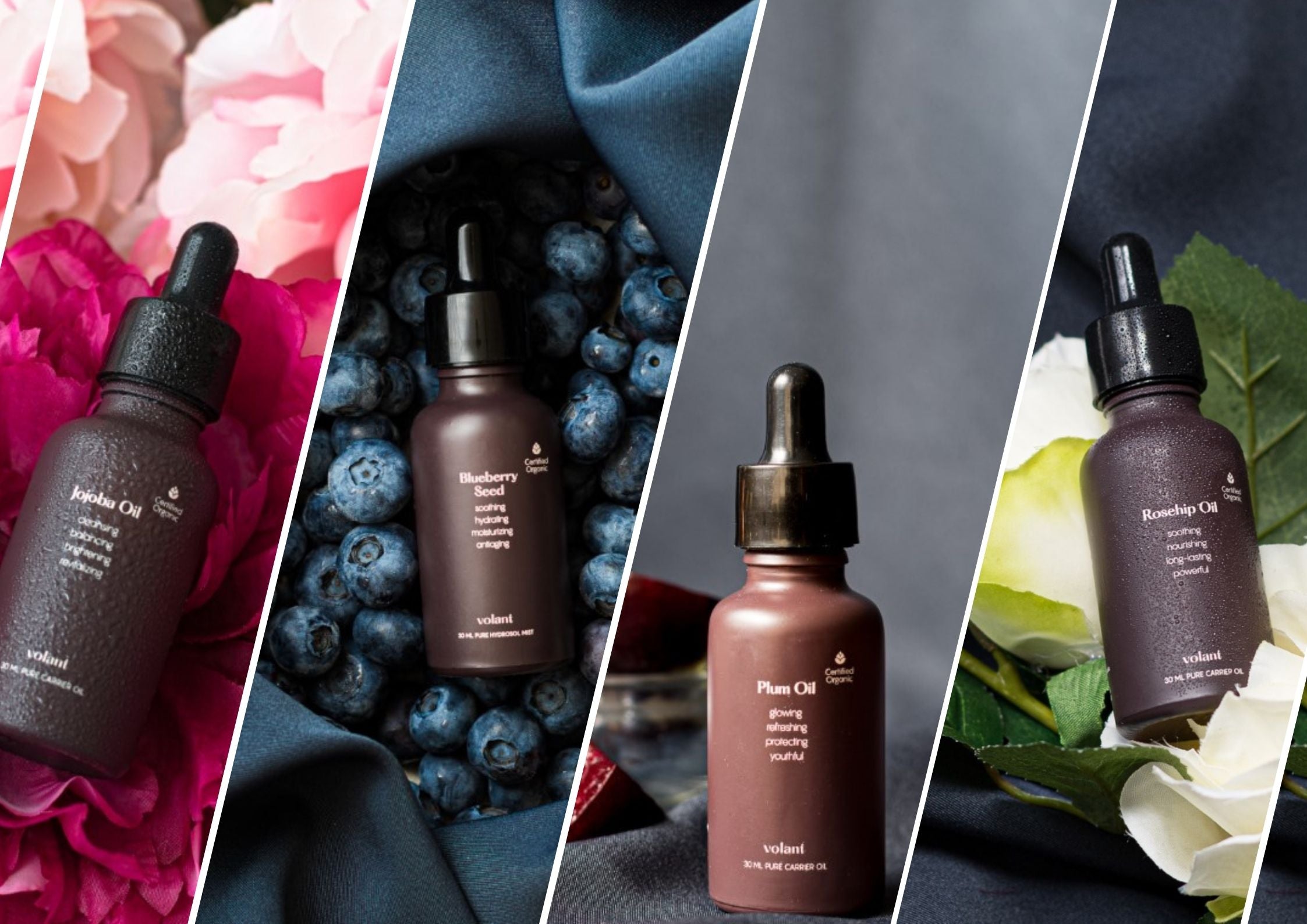
Apricot kernel oil is pressed from apricot seeds (kernels). It’s an emollient oil rich in fatty acids and vitamin E. It soaks into skin readily and has a mildly sweet, nutty aroma. You can find apricot kernel oil sold for culinary or cosmetic use.
Uses: Apricot kernel oil is believed to soften and calm irritated or itchy skin. It’s suitable as a carrier oil for massage blends, bath oils, and hair treatments.
4. Sweet almond oil
Sweet almond oil, extracted from sweet almond kernels, has a pronounced nutty fragrance. It’s edible, lightweight, and absorbs easily, making it an effective moisturizer for dry skin.
It’s commonly used in aromatherapy, but its strong scent can sometimes overpower more delicate essential oil fragrances.
Uses: Sweet almond oil is a widely used carrier oil for skincare — excellent in massage oils, bath formulations, and soap-making.
5. Olive oil
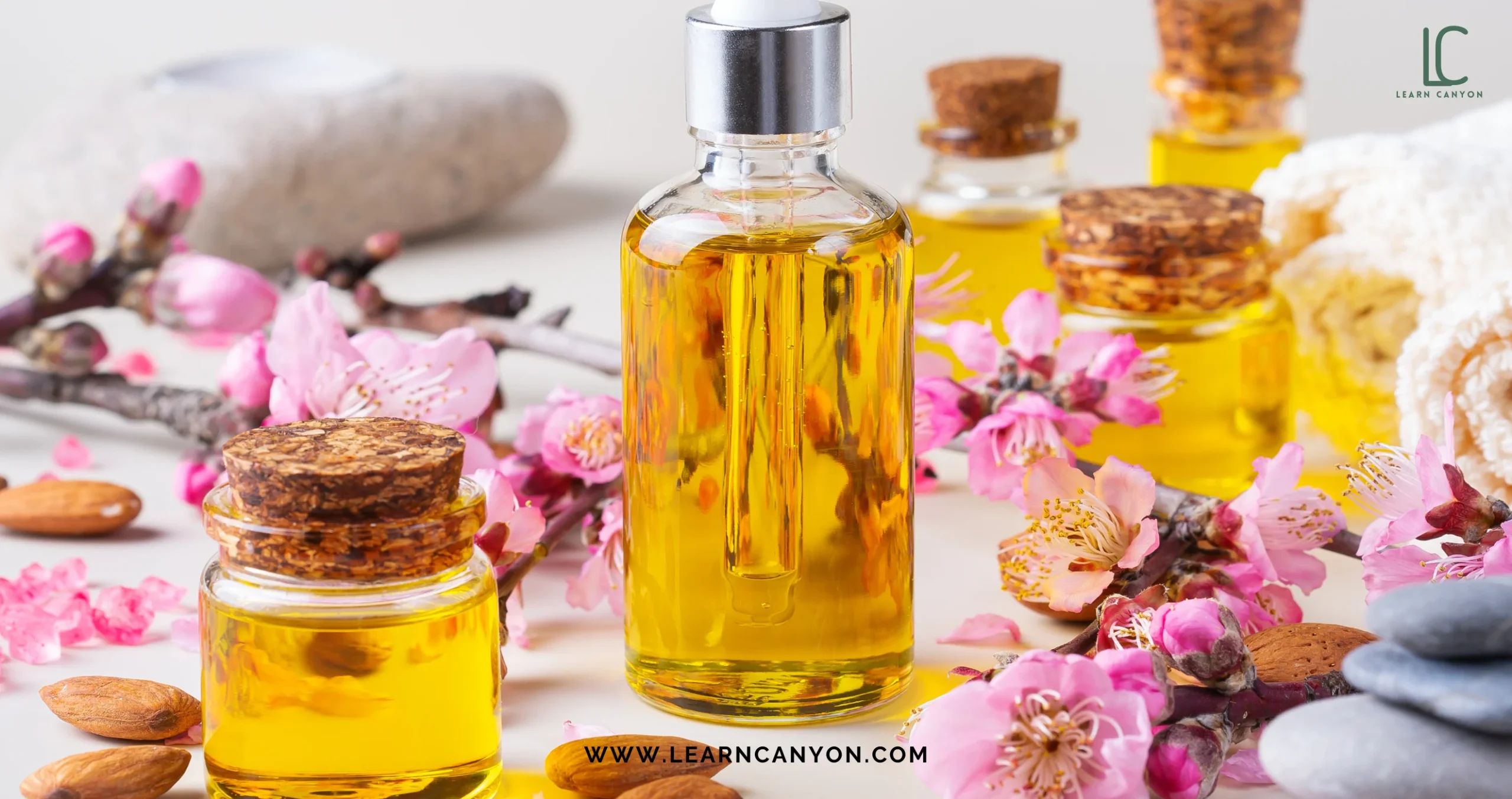
Olive oil is produced from pressed olives. Best known as a nutritious edible oil with a fruity profile, it’s also used as a carrier oil in aromatherapy and skincare.
Extra-virgin olive oil is the preferred option for aromatherapy and topical preparations. Keep in mind its aroma may clash with certain essential oils.
Uses: Rich in fatty acids and plant sterols, olive oil is ideal for cleansing and moisturizing dry skin. Use it in massage blends, facial cleansers, hair treatments, and homemade soaps.
6. Argan oil
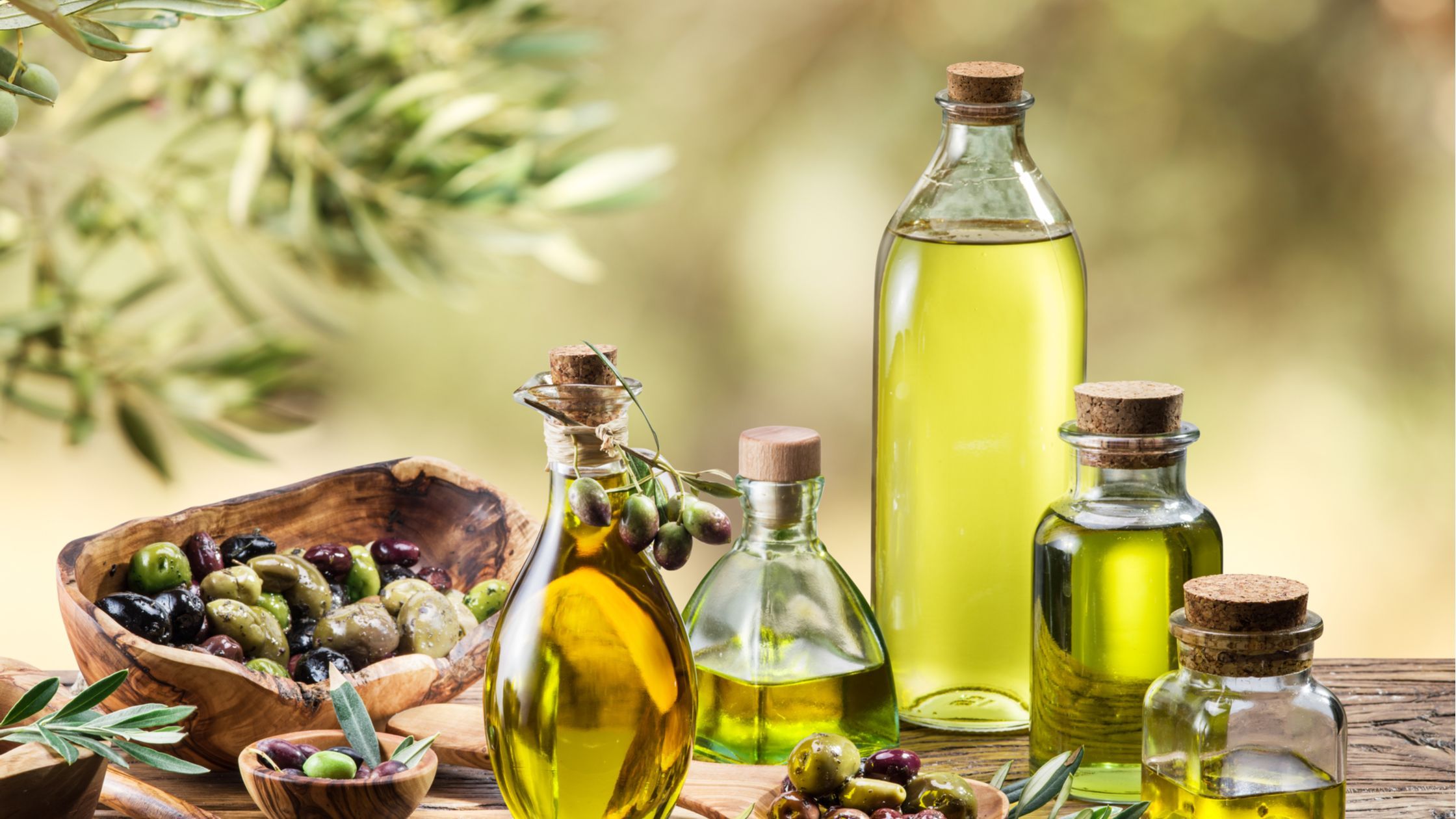
Argan oil is pressed from the kernels inside the fruit of argan trees native to Morocco. Edible and traditionally used for nourishment, it has a nutty scent and is abundant in vitamins A and E and monounsaturated fats.
Uses: Argan oil can help soothe dry skin and hair, reduce the appearance of fine lines, and calm inflammation, making it a superb carrier oil for general skincare and massage.
7. Rosehip oil
Rosehips are the seed pods left behind after certain rose flowers fade. Rosehip oil is extracted from these seeds.
Contrary to the name, rosehip oil doesn’t smell like roses; it has an earthy, nutty aroma.
Uses: Rich in vitamins A and C, rosehip oil offers natural retinoid-like benefits that can help combat aging and repair sun damage. Use it in formulations for dry skin, massage blends, and moisturizers.
8. Black seed oil
Black seed oil comes from the Nigella sativa plant. Though less common than other carrier oils, it’s packed with saturated and unsaturated fatty acids and is believed to have anti-inflammatory properties.
Uses: Black seed oil is traditionally used to calm skin conditions like eczema, acne, and psoriasis, making it a useful option for facial care, massage blends, and general skincare routines.
9. Grape seed oil
Grape seed oil is pressed from grape seeds and is a byproduct of wine production. It contains vitamin E, a nutrient often associated with skin healing and wrinkle reduction, though evidence is mixed.
Uses: Lightweight and neutral in scent, grape seed oil is easily absorbed and makes a fine carrier oil for body and massage oils when combined with essential oils.
10. Avocado oil
Avocado oil is a thick, rich edible oil made from avocado fruit and carries a mild nutty aroma.
It’s high in oleic acid, a monounsaturated fat that can benefit dry, compromised skin.
Uses: Avocado oil works well in products for dry skin and in body creams. If you’re acne-prone, consult a dermatologist first, as avocado oil may stimulate sebum production.
11. Sunflower oil
Sunflower oil is derived from sunflower seeds and has a neutral smell.
The oil is credited with acting as a protective skin barrier against irritants and microbes that can lead to infection, which makes it helpful for inflamed or irritated skin.
Uses: Thought to soften and hydrate skin and reduce irritation, sunflower oil is a good addition to massage blends or general skincare formulations.
How to mix carrier oil with essential oils
When possible, buy organic, cold-pressed carrier oils from a trusted manufacturer. Although most carrier oils are unlikely to cause allergic reactions, always perform a patch test before broad application.
While some studies indicate potential benefits, the FDA does not monitor or regulate the purity or quality of essential oils. Consult a healthcare professional before starting essential oil use and research the quality of any brand’s offerings. Always patch test a new essential oil first.
To do a patch test:
- Apply a small amount of carrier oil on the inside of your wrist or just below your ear.
- Cover the area with a bandage.
- Inspect the patch after 24 hours.
- If you notice irritation, wash the area thoroughly and discontinue use.
If you have a tree nut allergy, avoid oils derived from tree nuts, such as sweet almond oil, argan oil, and apricot kernel oil.
When mixing essential oils with a carrier oil, follow these dilution recommendations:
For adults:
- 2.5 percent dilution: 15 drops of essential oil per 6 teaspoons of carrier oil
- 3 percent dilution: 20 drops of essential oil per 6 teaspoons of carrier oil
- 5 percent dilution: 30 drops of essential oil per 6 teaspoons of carrier oil
- 10 percent dilution: 60 drops of essential oil per 6 teaspoons of carrier oil
For children:
- 0.5 to 1 percent dilution: 3 to 6 drops of essential oil per 6 teaspoons of carrier oil
Store carrier oils in a cool, dark place and ideally in the refrigerator. Keep them in dark glass bottles to prolong shelf life.
While some research indicates benefits, the FDA does not oversee the purity or quality of essential oils. Speak with a healthcare professional before beginning essential oil use and investigate thequalityof the brand. Always perform apatch testbefore trying a new essential oil.
The bottom line
Carrier oils enable safer use of essential oils and provide skin nourishment and hydration. Not every fat is suitable as a carrier oil — avoid using butter, petroleum jelly, or mineral oil.
After mixing carrier oil with an essential oil, avoid applying the blend to lips, eyes, or other highly sensitive areas. Plain carrier oil without essential oil can be used safely on those areas. For specific concerns, you may also explore natural remedies like castor oil stretch marks treatments, but always consult a professional when combining treatments.






















Leave a Reply
You must be logged in to post a comment.