

Red bumps that appear on the vaginal area after shaving are often a sign of razor burn. Applying a warm or cool compress and choosing loose, breathable clothing can help calm irritation while the skin heals. If you’re searching for guidance on How to treat razor burn on pubic area female, understanding the cause and using gentle care strategies can speed up recovery and reduce discomfort.
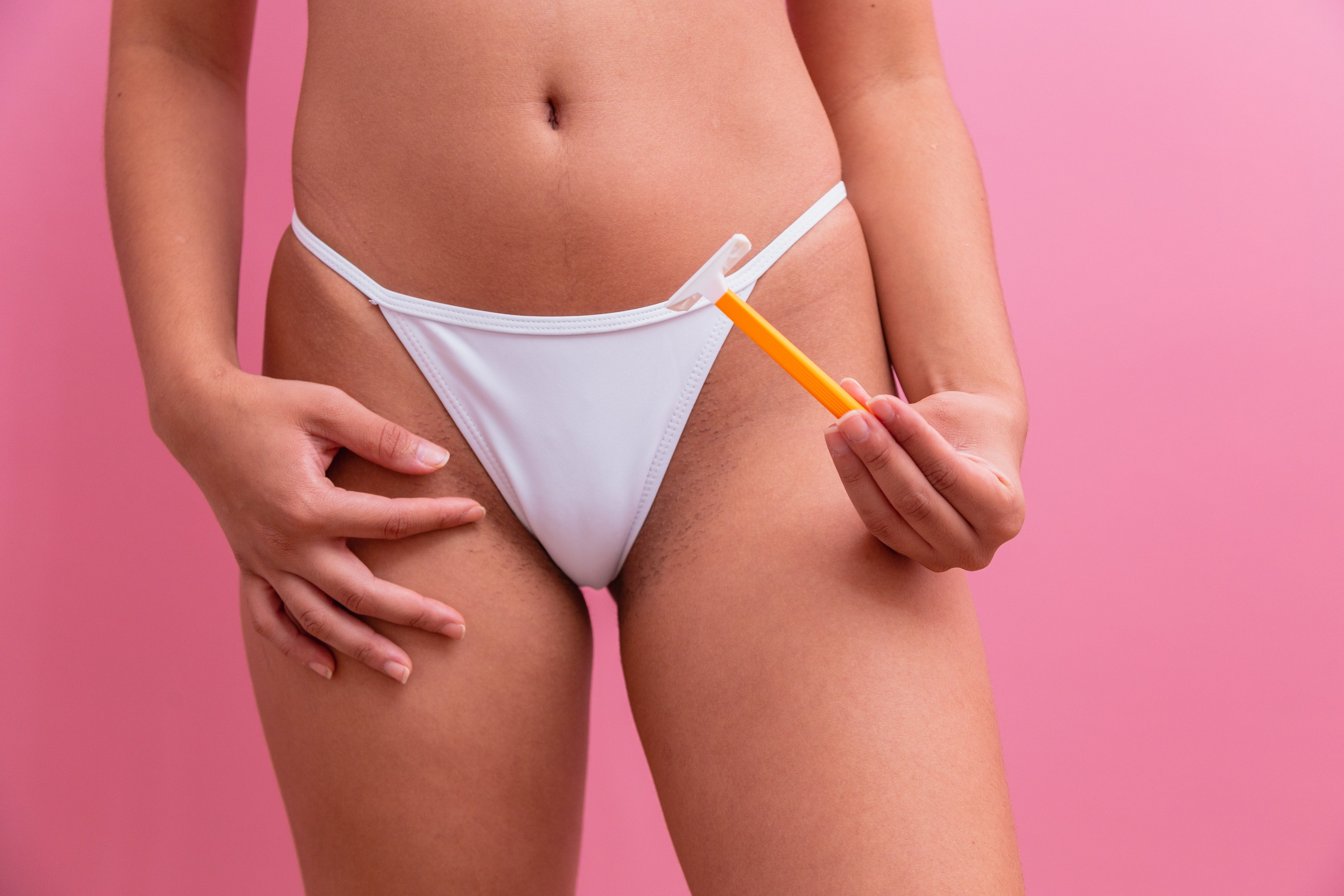
If you’ve recently shaved your vulva or labia — the outer skin of the genital region — and notice unexpected itching, razor burn may be the culprit. Razor burn typically shows up as a red, irritated rash. You might also see one or more red bumps that feel tender or produce a mild burning sensation when touched.
These symptoms can develop anywhere you shave — across the bikini line, directly on the labia, or even along the crease of your inner thigh. It’s possible to experience irritation in one specific spot while other shaved areas remain unaffected, even if the entire region was shaved at the same time.
In certain situations, similar symptoms may indicate a sexually transmitted disease (STD). Learning how to distinguish razor burn from other conditions is an important step in deciding on the right treatment approach. Below, we’ll explain how to identify razor burn, how to relieve symptoms, and how to prevent it from returning.
Is it razor burn or a sign of an STD?
Ask yourself
- Am I experiencing additional symptoms, such as body aches or fever?
- Does the bump have a smooth border or a jagged, uneven edge?
- Is the sore open or closed?
Start by assessing pain. Are the bumps sore or sensitive when touched? Mildly painful or tender bumps are most often linked to razor burn or ingrown hairs. However, if you also have body aches, fever, or headaches, these signs could point to genital herpes rather than simple shaving irritation.
Examine the texture and shape of the bumps. Smooth, painless growths that extend from the skin may be harmless skin tags. In contrast, bumps that appear rough, uneven, or cauliflower-like may suggest genital warts.
It’s also important to check whether the bumps are open or closed. Razor bumps, pimples, and shaving rashes usually remain closed. Lesions caused by herpes tend to form open sores that eventually crust and scab within a few days.

If you believe your symptoms may be caused by something other than razor burn, consult your doctor for an evaluation. A healthcare professional can review your symptoms and recommend appropriate next steps.
How to treat a razor burn
In many cases, razor burn resolves on its own with time and minimal intervention. The simplest answer to How to treat razor burn on pubic area female is often to leave the irritated skin undisturbed and allow it to recover naturally. Avoid shaving the affected area for several weeks to prevent further irritation and give hair follicles time to settle.
If discomfort, itching, or redness feels intense, there are supportive measures you can try at home. Many effective remedies involve items you may already have available. For a more detailed guide, you can also review How to treat razor burn on pubic area for additional care strategies.
What home remedies are available?
If you need quick relief, applying a cool compress or a targeted soothing treatment can help. For longer-lasting comfort, a warm bath soak may provide more sustained improvement.
Cool compress. A cool compress can calm inflamed skin and decrease redness. Wrap several ice cubes in a paper towel and place it gently on the irritated area for 5 to 10 minutes, repeating several times per day as needed.
Warm compress. Warmth may help limit bacterial growth and decrease swelling. Dampen a clean cloth or paper towel and heat it in the microwave for about 45 seconds. Ensure it’s warm but not too hot before applying to the skin. Hold it on the area for 5 to 10 minutes at a time, reheating as necessary.
Honey. Raw honey has long been known for its antibacterial properties. It may also ease swelling and skin irritation. Spread a thin layer over the affected area and let it sit for 10 to 15 minutes before rinsing with lukewarm water.
Cotton and other loose fabrics. Tight clothing can trap moisture and increase friction, worsening irritation. Opt for breathable cotton underwear and loose-fitting bottoms to promote airflow and minimize rubbing.
Oatmeal bath. Colloidal oatmeal has been used for centuries to relieve itching and calm inflamed skin. Its phenols provide antioxidant and anti-inflammatory effects that soothe and moisturize. Soak in a colloidal oatmeal bath for at least 15 minutes once daily to help ease symptoms.
For those seeking faster improvement, some individuals explore methods described in How to treat razor burn on pubic area overnight, which focuses on calming inflammation quickly and safely.
What natural remedies are available?
If basic home care isn’t providing enough relief, certain natural options may further reduce irritation. Although more research is needed to confirm their effectiveness, many people report benefit.
Apple cider vinegar. Apple cider vinegar contains anti-inflammatory properties that may help reduce swelling and discomfort associated with razor burn. Its acetic acid content may also help deter infection. Apply with a cotton ball to the irritated area several times daily.
Aloe vera. Aloe vera is widely recognized for soothing irritated skin. Use fresh aloe vera from a cut leaf or apply aloe vera gel as needed. Choose products free from fragrance and artificial dyes.
Witch hazel. Witch hazel acts as a natural antiseptic and has anti-inflammatory benefits. Dab onto the affected skin with a cotton ball a few times per day.
Tea tree oil. Tea tree oil is considered a natural antibacterial agent with anti-inflammatory effects. Apply sparingly with a cotton ball to irritated areas.
What over-the-counter (OTC) medications are available?
Over-the-counter treatments can also ease razor burn symptoms. Topical creams containing hydrocortisone are commonly used to decrease swelling and reduce redness. Apply as directed to calm inflamed skin. Avoid prolonged use unless advised by a healthcare professional.
How to shave to avoid a razor burn
Do not resume shaving the affected area until all irritation has resolved.
After healing, adopting proper shaving techniques can significantly lower your risk of recurrence and is a key part of understanding How to treat razor burn on pubic area female in the long term.

- Trim the area. Shorten longer hairs first to prevent tugging. Use sanitized baby scissors to trim hair to about a quarter-inch.
- Get in the shower. Warm steam softens hair follicles, allowing for a gentler shave.
- Exfoliate. Removing dead skin cells can free trapped hairs. Use a body brush or incorporate a salicylic acid-based exfoliant into your routine.
- Lather up. Cleanse with a fragrance-free antibacterial wash to lower infection risk if small nicks occur.
- Use a shaving product. Apply a shaving cream formulated with soothing ingredients such as aloe vera.
- Shave in the right direction. Shave in the direction of hair growth to minimize irritation. Hold skin taut and use short, gentle strokes.
- Pat dry. After showering, gently pat the skin dry instead of rubbing.
- Moisturize. Apply a protective moisturizer, such as Aquaphor, or a cream designed to reduce rashes.
Be sure to rinse and replace your razor frequently. Dull blades are more likely to cause friction, nicks, and irritation.
The bottom line
Razor burn in the pubic area is common and usually temporary, though it can feel concerning. Monitoring your symptoms carefully can help you determine whether you’re dealing with simple shaving irritation or something more serious. In most cases, razor burn improves within a few days. If symptoms persist or worsen, consult your doctor for further evaluation and guidance.




















Leave a Reply
You must be logged in to post a comment.