
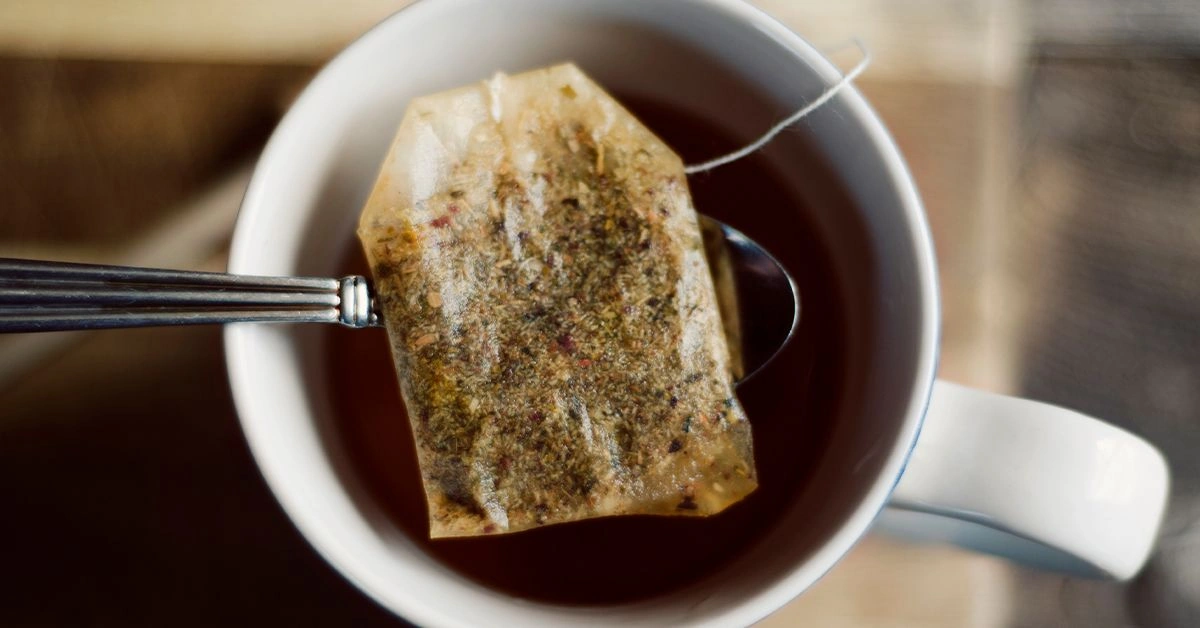
Black tea is a widely consumed drink prepared from the oxidized leaves of the Camellia sinensis plant (1).
Beyond its dietary advantages, black tea has long been used in hair care routines. Many users report that it can stimulate hair growth, deepen hair color, and increase shine.
Historically, people have applied black tea rinses — pouring brewed black tea over the hair — as a beauty practice for generations. But you might be wondering whether scientific evidence supports these assertions.
This article reviews the evidence on black tea’s effects on hair and outlines how to perform a black tea rinse.
Possible advantages of black tea for hair
Black tea rinses consist of applying brewed black tea to the hair and leaving it on from a few minutes up to an hour. This natural technique has been used for ages to enhance hair’s appearance.
May darken hair color
Black tea is rich in tannins, a group of polyphenol antioxidants that neutralize cell-harming free radicals (2).
Specifically, black tea contains theaflavins and thearubigins, compounds responsible for its deep hue (2, 3).
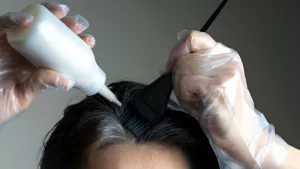
Because of this dark pigment, rinsing with black tea can temporarily intensify the color of naturally dark hair and mask the look of gray strands. However, this effect is short-lived and will fade after several washes.
This approach is less effective for people with blonde, red, white, light brown, or other lighter-colored hair.
May support hair growth
Black tea rinses are commonly promoted for encouraging hair growth, owing to the tea’s antioxidants and caffeine, which are thought to benefit scalp and hair health (4).
Proponents suggest the caffeine in black tea can penetrate hair follicles and inhibit dihydrotestosterone (DHT) — a hormone implicated in hair thinning in androgenic alopecia (4, 5).
Elevated DHT can shrink hair follicles and shorten the growth phase, producing fragile, thinning hair that sheds more readily (4, 5, 6).
A laboratory study using human skin samples indicated that topical caffeine and testosterone might promote hair growth by boosting keratin production and extending the anagen (growth) phase (7).
Another in vitro study found similar effects with a 0.2% caffeine solution applied topically, although this research was funded by the product’s maker (8).
Outside these laboratory findings, there’s a lack of human trials showing that black tea itself promotes hair growth. It’s also unclear how much tea or caffeine must be used and how long it should remain on the scalp to see measurable benefits.
Therefore, additional human research is needed.
Remember that hair loss has many causes — poor nutrition, stress, hormonal changes, genetics, and hair damage among them. Rather than relying solely on black tea, consult a dermatologist to identify and address the underlying cause of hair loss (9, 10).
May increase hair shine
Shiny hair is typically well-hydrated and undamaged; light reflects poorly from compromised strands, giving hair a dull look (11).
In theory, black tea rinses might improve shine by enhancing color and encouraging healthier hair growth. Still, despite anecdotal testimonials, direct scientific support for this claim is lacking.
Indeed, caffeine in black tea could dry the hair shaft if left on too long, particularly for people with low-porosity hair that resists moisture absorption. To counteract potential dryness, use a conditioner after rinsing out the tea (11).
Summary: There’s no definitive proof that black tea rinses stimulate hair growth or stop hair loss. Still, they may temporarily darken and add shine to dark hair.
Are there side effects from black tea rinses?
Topical application of black tea to scalp and hair is generally safe.
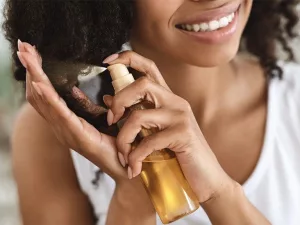
However, the caffeine in the tea can potentially dry out hair strands, leaving them looking dry or damaged. For this reason, apply black tea mainly to the scalp with a spray bottle and follow up with a conditioner.
Although topical adverse effects are uncommon, perform a patch test if you have sensitive skin to ensure you don’t react to black tea.
To test, dab a small amount of cooled black tea on the inner forearm or upper arm. After 24 hours, look for redness, discoloration, or irritation. If any of those signs appear, avoid using black tea rinses.
Summary: Black tea is safe for most people, but those with sensitive skin should patch-test before applying it to the scalp.
How to prepare a black tea rinse
If you’d like to try a black tea rinse, follow these steps:
- Steep 3–4 black tea bags in 2 cups (475 mL) of boiling water. Let them infuse for at least 1 hour or until the liquid cools to room temperature.
- Strain the tea into a clean spray bottle.
- Shampoo your hair first so the scalp is clean before applying the tea.
- With damp hair, divide hair into small sections and spray a generous amount of tea onto the scalp. Gently massage it in.
- After covering your entire head, put on a shower cap and wait 30–60 minutes.
- Rinse with cool or lukewarm water and finish with a deep conditioner to restore moisture.
If your goal is color enhancement, apply the tea from roots to ends. To target growth, concentrate on the scalp.
Wear an old shirt or clothing you don’t mind staining, as black tea can discolor fabric.
Summary: Make a rinse from 3–4 black tea bags, water, and a spray bottle. Apply to a clean, damp scalp and hair and leave on for 30–60 minutes.
Bottom line
Black tea serves not only as a pleasant beverage but also as a common hair care remedy.
However, only limited evidence suggests that applying black tea to hair and scalp may enhance hair color, shine, or growth — and effects appear most relevant for dark hair. More research is required.
If you want to experiment, steep 3–4 black tea bags in boiling water, cool the brew, then spray it onto clean, damp hair and scalp. Leave it for around 30 minutes, rinse, and use a deep conditioner for added hydration.
Although not a clinically proven solution, black tea rinses are inexpensive, simple, and generally harmless to try.















Leave a Reply
You must be logged in to post a comment.