Hair Loss
The Hair Loss section features the latest articles and expert advice, exploring effective treatments, causes, and solutions for various types of hair thinning and loss.

PRP for Hair Loss
Key takeaways PRP therapy involves drawing a sample of your blood, concentrating the platelets, and injecting that platelet-rich plasma into the scalp to potentially encourage hair growth. Because it uses your own blood, PRP is generally considered safe, but possible side effects include discomfort, headache, itching, swelling, and temporary skin discoloration. PRP can be a costly hair-loss intervention often not covered by insurance — discuss pricing and payment choices with…
Benefits of Hibiscus Oil for Your Hair
Chinese hibiscus (Hibiscus rosa-sinensis) is widely touted by herbalists as a natural treatment to encourage hair growth. Advocates assert that hibiscus may also: halt hair thinning give hair a healthy, glossy look ward off early graying increase hair density and body combat dandruff condition against frizz, dryness, and breakage prevent split ends These assertions lack support from robust clinical trials. Like most herbal preparations, hibiscus has not been approved by…
What Causes Hair Loss in Teenagers, and How to Treat It
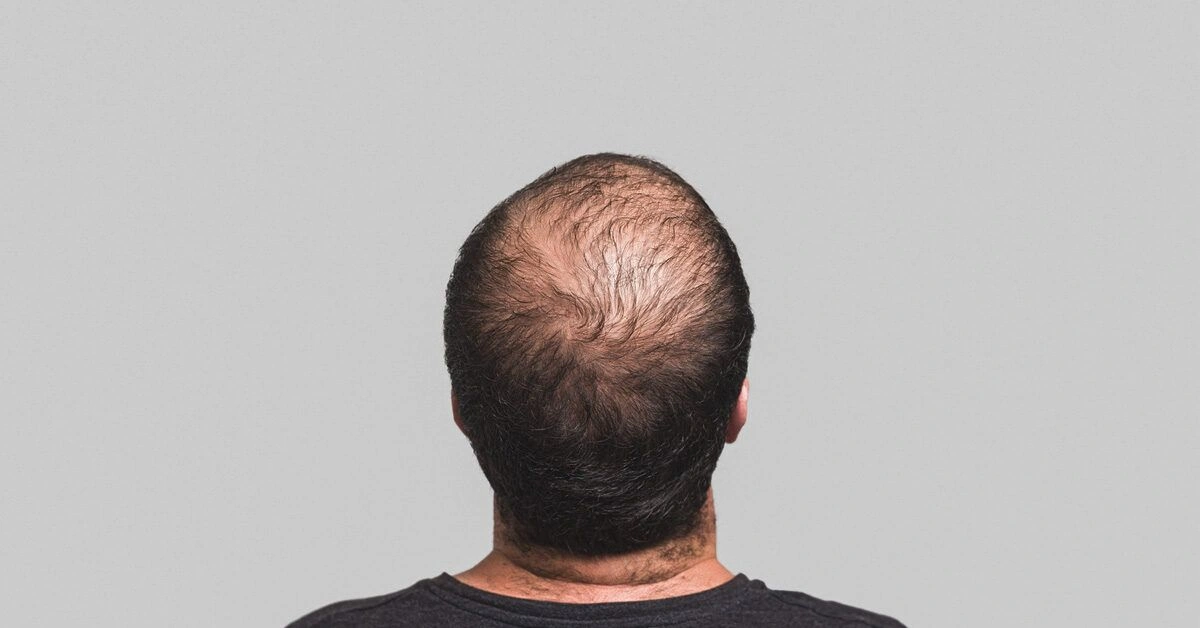
Teen hair loss can stem from hereditary tendencies, hormonal disturbances, or underlying health issues. In many instances, hair thinning can be reversed with the right therapy. Most people will experience some level of hair loss over their lifetime. While it’s more typical to notice this in adulthood, a smaller number begin shedding hairs during their teenage years. Losing hair is challenging for anyone, but it can be especially distressing for…
Can Using Ginger on Your Hair or Scalp Improve Its Health?
Ginger, a widely used culinary spice, has a long history of medicinal application. The rhizomes of the Zingiber officinale plant have been employed for inflammatory and digestive issues in both traditional remedies and modern practice. You might have encountered anecdotal claims promoting ginger for hair and scalp health. While ginger may offer anti-inflammatory relief for scalp troubles, some clinical research indicates that particular ginger constituents could actually reducehair growth. It’s…
52 Photos Capture This Woman’s Triumph Over Breast Cancer
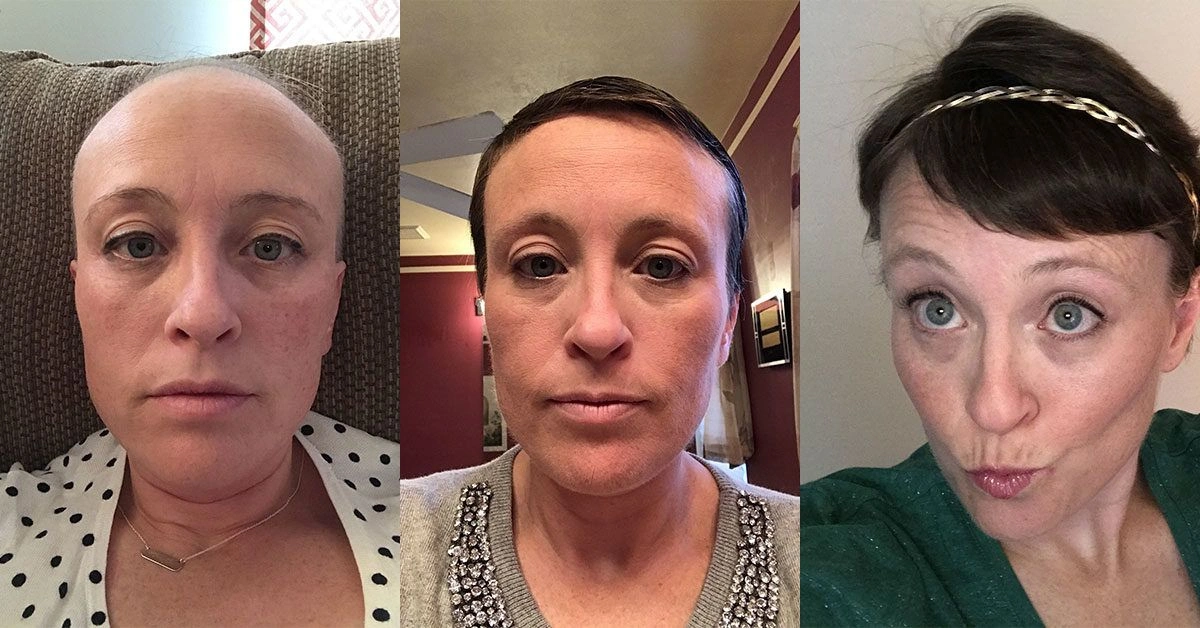
These images illustrate how brutal chemo can be, yet also highlight the resilience many display when facing cancer. Health and wellbeing affect each of us in different ways. This is one person’s experience. Maintaining a sense of normal life matters to many with cancer. For that reason, it’s understandable that the hair loss commonly caused by chemotherapy can be particularly upsetting. Eileen Posner, a survivor who lost all her hair…
Does the Mirena IUD Cause Hair Loss?
Overview Discovering clumps of hair in the shower can be alarming, and pinpointing the reason isn’t always straightforward. If you recently had a Mirena intrauterine device (IUD) placed, you may have heard claims that it can trigger hair thinning or loss. Mirena is an intrauterine contraceptive that contains and dispenses a hormone similar to progesterone. It does not contain estrogen. Mirena ranks among the most frequently used long-acting contraceptives, yet…
Why Has My Hair Stopped Growing?
Key takeaways Multiple influences — such as heredity, aging, hormonal shifts, and stress — can alter hair growth, making it slower or halting it altogether. Home approaches like scalp massages, aloe vera, and rosemary oil might encourage hair growth and help preserve existing hair, though they’re unlikely to restore hair lost from true balding. Medical options including minoxidil, finasteride, hair transplantation, and scalp micropigmentation exist to slow further loss and…
Can I Stop a Receding Hairline? 12 Treatments to Try
A hairline that moves back is commonly driven by age and hereditary factors, though certain diets and medications can influence hair condition and, in some cases, support regrowth. (img by XYON) (img by Johnny Slicks) A quick summary of options for a receding hairline Adopt a nutritious diet Prescription and OTC drugs Herbal treatments Hair transplantation PRP injections Use milder shampoo Low-level light therapy Essential oil treatments Scalp massage Modify…
What You Need to Know About NeoGraft Hair Transplants
Key takeaways NeoGraft, a minimally invasive technique that removes the need for stitches and lessens the chance of nerve or vessel injury, may lower surgical complications compared with conventional FUE and FUT. Semi-automated equipment simplifies follicle extraction and placement, which can reduce trauma and improve the survival of transplanted hairs. Possible downsides include a steep training curve for surgeons, the danger of overharvesting donor areas, and higher fees because of…
How to Get Rid of the Knots in Your Hair
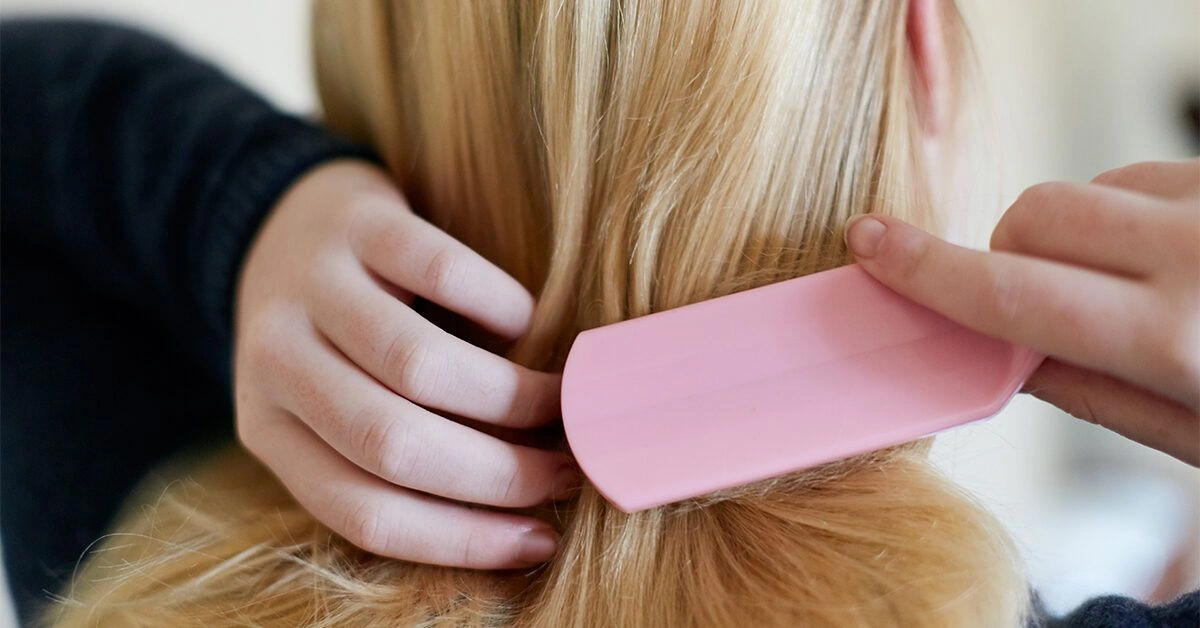
Whether your hair is long or cropped, curly or stick-straight, untreated or chemically relaxed, chances are you’ve dealt with tangled strands at some point. We understand you likely have better things to do than spend time painstakingly working knots out of your hair. In this piece, we’ll explain what leads to tangled hair and — most importantly — how to banish those annoying knots. (img by Allure) What creates knots…