

Ginger, a widely used culinary spice, has a long history of medicinal application. The rhizomes of the Zingiber officinale plant have been employed for inflammatory and digestive issues in both traditional remedies and modern practice.
You might have encountered anecdotal claims promoting ginger for hair and scalp health. While ginger may offer anti-inflammatory relief for scalp troubles, some clinical research indicates that particular ginger constituents could actually reducehair growth.
It’s wise to understand more about ginger and how to use it appropriately before trying it for any skin or scalp condition.

Possible benefits of ginger for hair
Over time, hair care routines matter just as much as those used for skin. Ginger isn’t a standard medical therapy for maintaining hair health, yet people sometimes claim—based on personal experience—that this spice can encourage hair growth.
Does ginger promote hair growth?
In East Asian traditional medicine, ginger is occasionally applied to stimulate hair growth. Still, some investigators have pointed out that there’s no solid scientific proof that ginger treats balding.
Others emphasize ginger’s potential to reduce scalp inflammation. The idea is that when scalp issues resolve, hair may appear to improve. However, these observations remain anecdotal.
Can ginger reduce hair loss?
Scientific support is lacking that ginger slows down hair shedding. Using ginger for scalp and hair care might enhance the look of your hair, but once hair loss begins, there are limited options to halt its course.
Also bear in mind that some forms of hair loss stem from underlying conditions that natural remedies like ginger are unlikely to address.
Could ginger remove hair?
Although many anecdotal reports praise ginger for aiding hair growth, certain clinical findings suggest an opposing outcome.
A study on 6-gingerol, a bioactive compound in ginger, observed diminished hair growth in mice and in human hair follicles studied in vitro. From these data, researchers proposed that ginger might inhibit hair growth or even be used to intentionally reduce hair.
Potential adverse effects of using ginger
When used in cooking, ginger is generally safe for most individuals. If you know you’re allergic to ginger, avoid applying extracts, essential oils, or any ginger preparations to your hair or scalp.
Perform a patch test by rubbing a small amount of ginger on the inside of your elbow and waiting 24 hours before putting it on your scalp. If you experience a reaction, do not proceed.
Signs of a topical reaction can include:
- redness or rash
- hives or raised welts
- itching
- worsening inflammation
- burn-like sensations
Traditionally, ginger-based treatments for hair and scalp are applied externally only. You should not ingest ginger specifically for hair purposes unless a physician advises it. Oral use can cause:
- abdominal cramps
- loose stools
- bloating or excessive gas
- heartburn
- interactions with medications, notably blood timers (anticoagulants)
How to apply ginger for hair
The web contains numerous recipes claiming to boost hair growth. Even without scientific backing, applying ginger topically can feel stimulating. Below are several approaches you might try.
Ginger oil
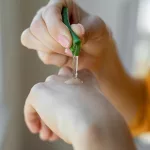
Ginger oil is available as extracts or essential oil; essential oil should be diluted with a carrier oil before use. Massage the mixture over the scalp and hair for a peppery, stimulating scent. Rinse after 15 to 30 minutes.
Ginger juice
Ginger juice is extracted straight from the root. You can slice a fresh piece and rub it directly onto the scalp, or blend the root into a puree and spread it through your hair.
Ginger hair mask
To create a ginger hair mask, combine ginger juice, essential oil, or extract with equal parts of a carrier oil such as argan, coconut, or jojoba. Work it into the scalp and distribute it evenly over the hair. Cover with a cap and leave for up to 30 minutes before washing out.
If concentrating on the scalp, consider mixing something acidic into the mask, like yogurt, lemon, or apple cider vinegar.
Ginger supplements
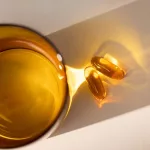
Ginger supplements come as teas, capsules, and tablets. When ingesting ginger, follow product directions and stop use if you develop digestive side effects.
Consult a healthcare professional before starting any supplement. Remember that oral ginger products haven’t been shown to promote hair growth.
Takeaway
With limited over-the-counter options for hair growth, many people turn to traditional remedies seeking improvement.
Although promoted online, ginger hasn’t been proven to stimulate hair growth or prevent hair loss. Still, its anti-inflammatory properties might help certain scalp conditions.
Even though ginger is natural, it can cause adverse effects in some users. It’s prudent to speak with a doctor first, especially if you take medications or have existing health issues.
At minimum, a ginger-infused hair treatment may feel refreshing and fragrant, but you should not expect dramatic hair changes solely from its use.














Leave a Reply
You must be logged in to post a comment.