
Key takeaways
- NeoGraft, a minimally invasive technique that removes the need for stitches and lessens the chance of nerve or vessel injury, may lower surgical complications compared with conventional FUE and FUT.
- Semi-automated equipment simplifies follicle extraction and placement, which can reduce trauma and improve the survival of transplanted hairs.
- Possible downsides include a steep training curve for surgeons, the danger of overharvesting donor areas, and higher fees because of the specialized machinery required.
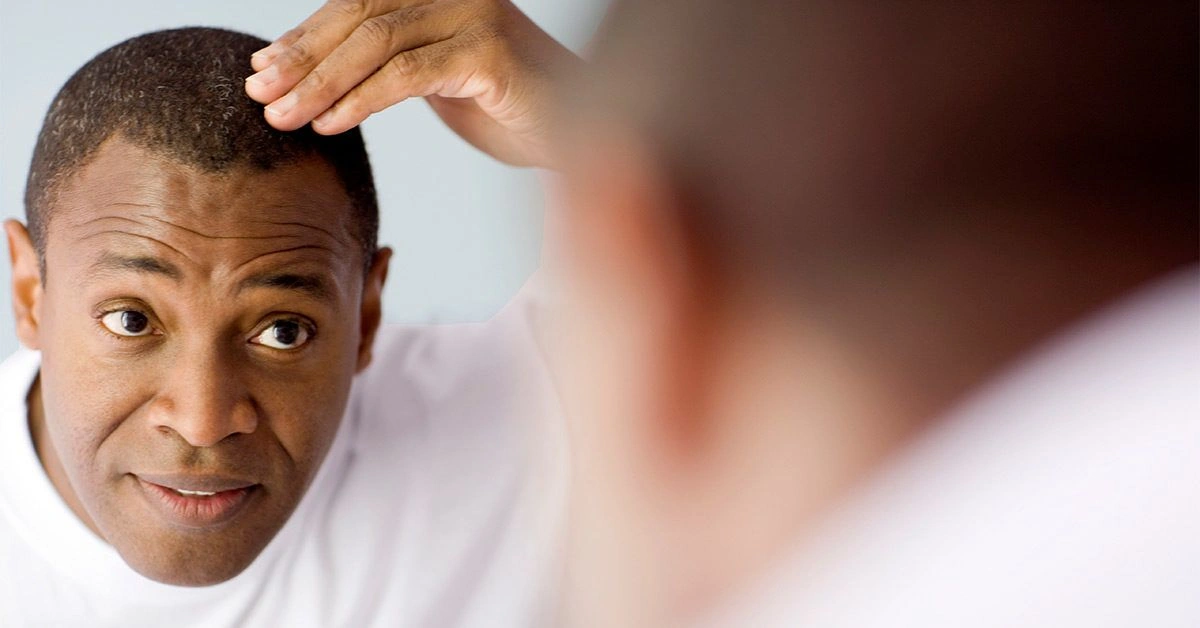
Most men and over half of women notice hair thinning as they get older.
Various medical issues can trigger hair loss, but the predominant cause is androgenetic alopecia, commonly called male or female pattern hair loss.
Hair transplants involve moving follicles from one region of your scalp—typically the back or sides—to areas experiencing balding.
Outcomes of these operations have improved dramatically since the first procedures in 1939.
The two primary transplant approaches are follicular unit transplantation (FUT) and follicular unit excision (FUE). Both can achieve natural-looking, cosmetically pleasing results.
NeoGraft is a semi-automated iteration of FUE and among the most contemporary transplant methods. It’s promoted as more consistent than some manual FUE approaches by reducing certain human errors during surgery.
Below we’ll review the potential advantages and risks of NeoGraft transplants, compare it with other restoration techniques, and examine costs.
NeoGraft benefits
NeoGraft is one of the latest and most sophisticated hair transplant technologies. It’s a semi-automated FUE method using proprietary technology from Venus Treatments.
In FUE procedures, a clinician manually extracts individual follicles from the donor area at the back or sides of the head.
They then create tiny recipient sites in the thinning zones of the scalp and place the grafts into those incisions.
With NeoGraft, follicles are removed by a handheld device that extracts them using suction.
The operator does not need to make separate incisions for each graft; instead, a specialized instrument can create recipient sites and insert grafts in a coordinated manner.
Reduced hair follicle damage
The NeoGraft approach may minimize trauma and injury to follicles compared with conventional FUE and FUT. Less trauma is believed to boost the survival of transplanted hairs.
Fewer complications
Because NeoGraft is minimally invasive, it may reduce the risk of surgical complications, especially when contrasted with FUT, which involves removing a strip of scalp.
NeoGraft eliminates the need for sutures or staples, and its automation helps limit human error that might injure nerves or blood vessels.
Faster than FUE
NeoGraft procedures are often quicker than traditional FUE, which may span several days for large graft counts. According to Venus Treatments, a typical NeoGraft session lasts about 4 to 10 hours.
NeoGraft potential side effects and precautions
A 2018 analysis identifies the main limitations of NeoGraft as the steep learning curve for practitioners and the expense of the device.
The operation is generally considered safe and serious complications are uncommon. Possible side effects include:
Moth-eaten appearance at donor site
If too many grafts are taken from one donor zone, it can create a moth-eaten look with noticeable thinning.
Both NeoGraft and manual FUE risk overharvesting if a clinician removes an excessive number of follicles from a single area.
Tiny scars
Unlike FUT, FUE and NeoGraft do not leave a long linear scar.
They can produce small pinpoint scars where grafts were taken. Typically these marks are inconspicuous, but they may be visible if you shave your head or keep hair very short.
Unnatural hair line
If grafts are placed at an incorrect angle relative to your natural hair direction, the hairline can appear unnatural. An unnatural hairline is a potential issue with any transplant approach.
Shock hair loss
Some patients experience shock loss, or postoperative effluvium, several days or weeks after the procedure.
Shock loss causes temporary shedding of implanted hairs. In most cases it’s transient and hairs regrow within 3 to 4 months.
Other complications
Other general complications associated with hair transplants include:
- swelling
- bleeding
- inflamed follicles (folliculitis)
- temporary numbness of the scalp
- ingrown hairs
- infections
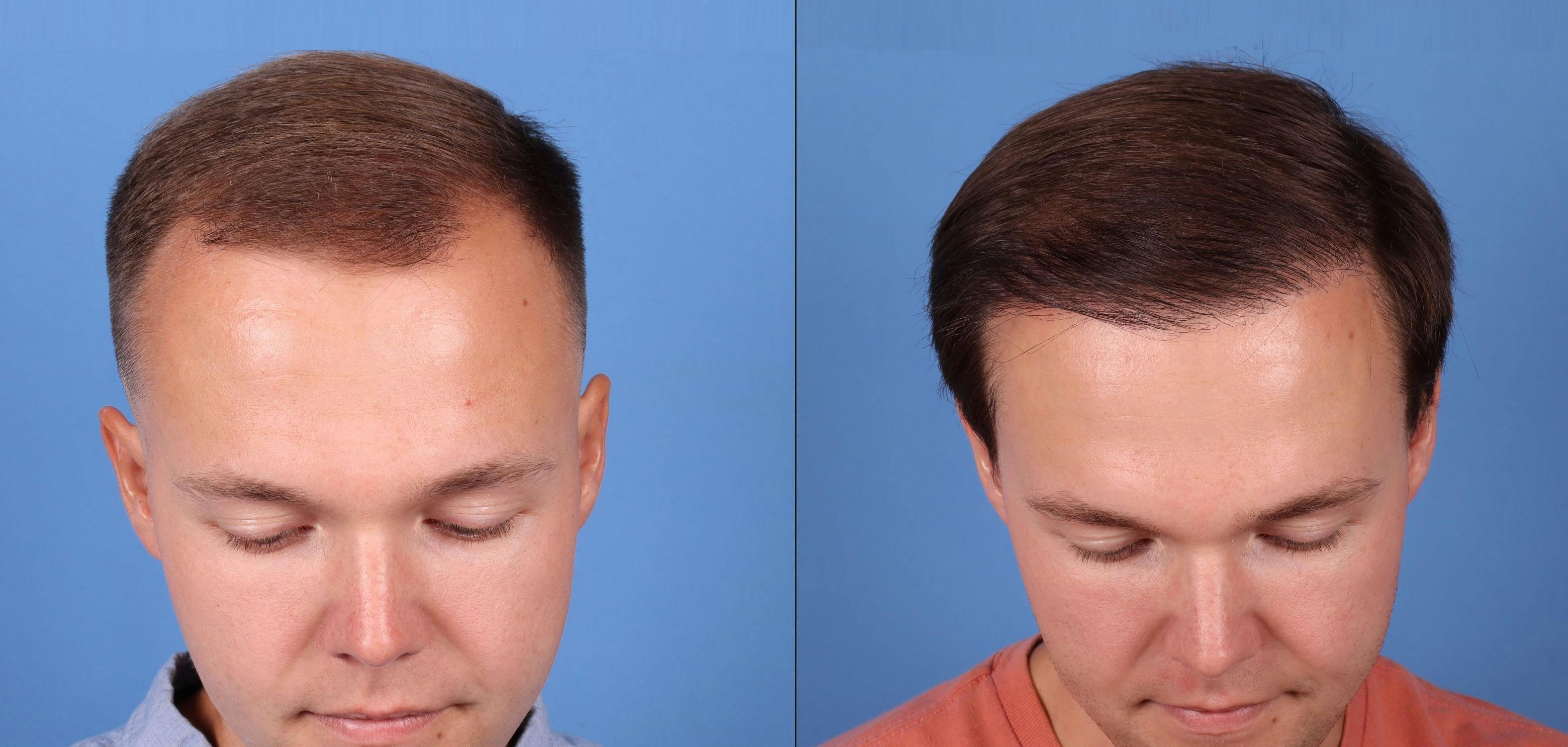
NeoGraft before and after
Below is an illustration of typical before-and-after outcomes following NeoGraft:
How NeoGraft transplantation works
Here’s the typical sequence during a NeoGraft treatment:
- Your clinician will shave either your full head or the donor area from which grafts will be harvested.
- A local anesthetic is applied to your scalp; mild sedation may be offered to help you stay comfortable.
- Follicles are extracted using a wand that employs pneumatic suction.
- The surgeon implants the grafts into the thinning regions using a dedicated insertion instrument.
- A dressing may be placed on both the donor and recipient sites to control bleeding and protect the areas.
Who needs a NeoGraft procedure?
Although hair transplant surgery doesn’t provide medical benefits, it can improve self-confidence for people unhappy with their hairline.
Transplants tend to work best for individuals with androgenic alopecia, also called male or female pattern hair loss.
Typical candidates often:
- are free from conditions that increase surgical risk, such as uncontrolled high blood pressure, unmanaged diabetes, or bleeding disorders
- are older than 25 years
- have relatively thick hair strands
- have hair loss concentrated along the hairline
- have hair color not dramatically different from their skin tone
- have hair loss not caused by stress or medication
NeoGraft vs. FUT and FUE hair transplants
NeoGraft, FUT, and FUE follow comparable principles, and all three can produce cosmetically pleasing outcomes.
In FUT, a clinician removes a strip of scalp from the back or side, then dissects it into individual follicular units.
FUT is usually less expensive than FUE and NeoGraft but results in a linear scar at the donor site that may be visible with short hairstyles.
FUE and NeoGraft share the same basic concept, but NeoGraft is semi-automated.
In manual FUE, a clinician physically extracts each follicle.
NeoGraft harvests follicles with suction and places them with a device that helps control insertion depth and angle.
Optum Now is operated by RVO Health. By clicking on this link, we may receive a commission. Learn more.
NeoGraft cost
NeoGraft pricing increases with the number of grafts transplanted.
Many U.S. clinics quote rates of roughly $5 to $9 per graft. For a typical session of 1,000 to 2,000 grafts, that equates to about $5,000 to $18,000.
Cost depends on factors such as:
- the clinician’s experience and expertise
- the number of grafts needed
- regional cost of living
You may also need to account for travel and lodging if you journey to a clinic.
Insurance usually won’t cover NeoGraft because it’s considered cosmetic; ask your provider about financing options.
NeoGraft recovery
NeoGraft is less invasive than FUT and traditional FUE because the automated system controls incision depth.
According to Venus Treatments, implanted sites typically begin to heal in about a week and most people resume normal activities within two weeks. Many patients return to work within days.
Your surgeon will give specific aftercare instructions and expectations for graft healing.
Takeaway
NeoGraft is a semi-automated form of FUE hair transplantation.
It represents one of the most modern hair restoration approaches available. When executed by an experienced clinician it is considered safe and can effectively restore hair loss.
















Leave a Reply
You must be logged in to post a comment.