
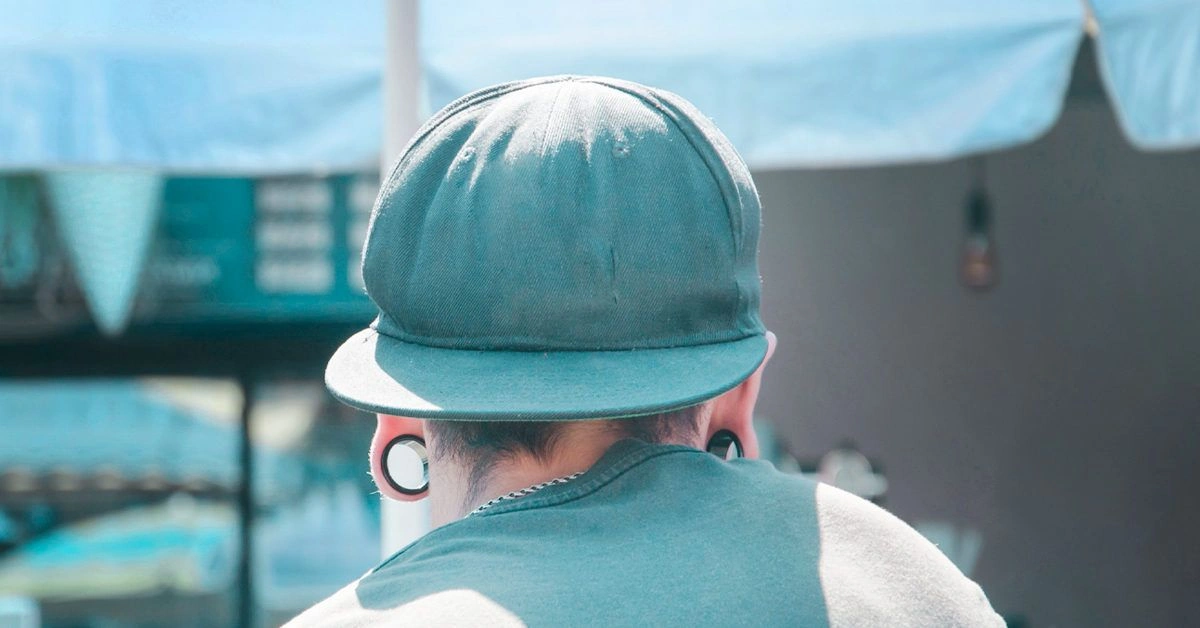
Ear stretching, often called ear gauging, refers to enlarging pierced holes in the earlobes. While it may look like a current fad, people have been stretching their ears for millennia.
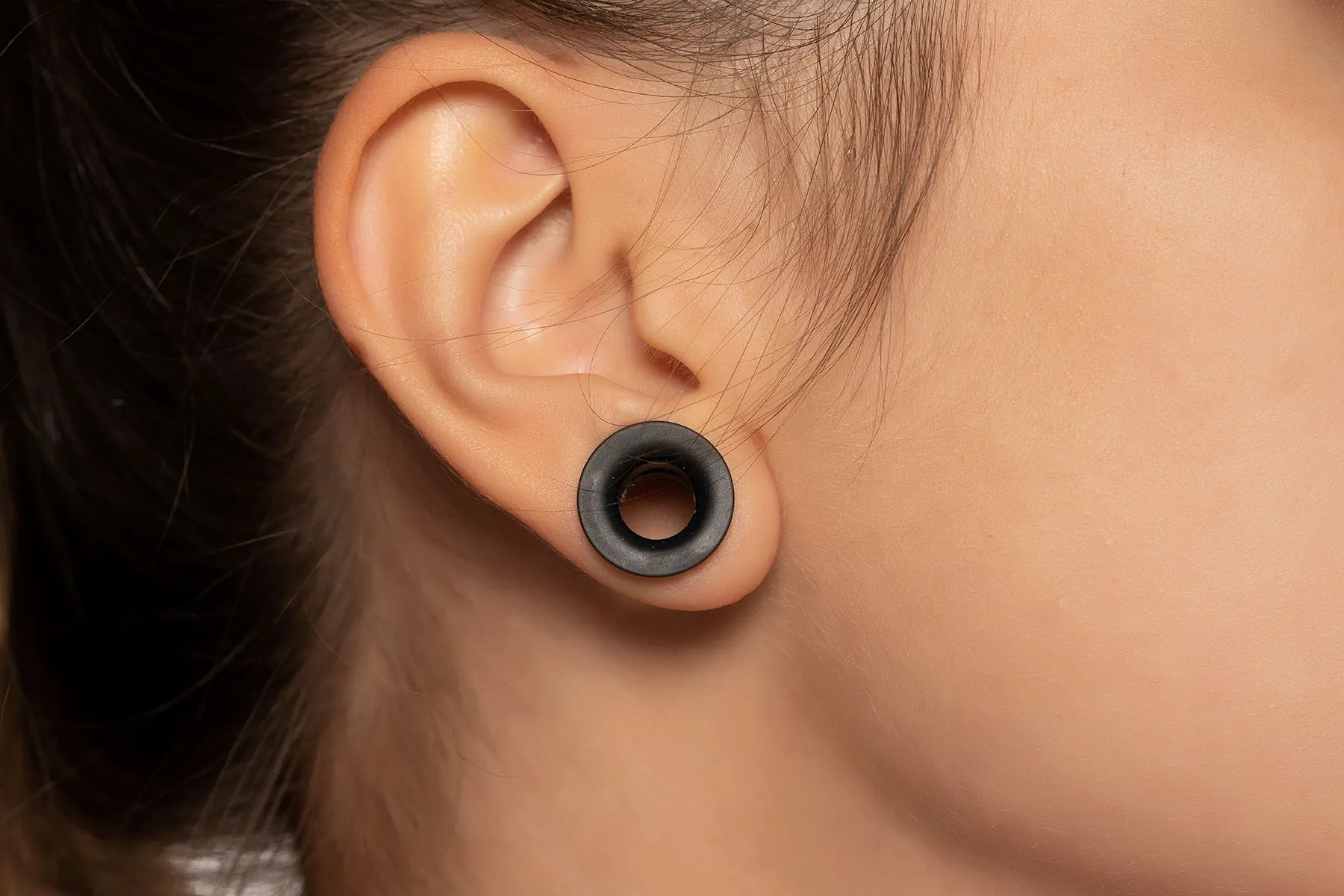
A blowout is among the most frequent problems associated with ear gauging. It’s a ring of scarred tissue that develops behind the jewelry, making the piercing appear to invert.
Blowouts most commonly happen when the ear is stretched too rapidly. They often cause sharp discomfort and swelling.
This article will help you recognize an ear blowout and review the most effective ways to manage it.
What causes an ear blowout?
Blowouts are usually the result of overstretching. Ear stretching should be gradual and deliberate.
If you jump to a larger jewelry size too fast, you can trigger blowouts and other issues such as lobe rips and infections.
In the United States, jewelry is sized by gauge (abbreviated “g”), whereas metric countries commonly use millimeters (mm).
Typical earrings are 20 or 18 gauge. As the jewelry gets thicker, the gauge number drops. After 0 gauge comes 00 gauge, which is roughly 3/8 of an inch in diameter.
Sizes beyond 00 gauge are listed in inches and increase by increments of 1/16th of an inch.
Most professionals advise moving up one gauge at a time (a difference of two gauge numbers) to reduce the risk of a blowout.
Many also suggest waiting 4 to 6 weeks between increases. The waiting period may need to be longer as the jewelry size becomes larger.
Symptoms of an ear blowout
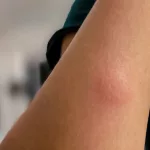
A blowout produces a ring of skin behind the piercing. This ring is typically red, inflamed, and painful. The piercing may look like it’s turning inward.
Overstretching can also lead to infection, which may present with:
- yellow discharge
- itching
- burning sensation
- swelling
- tenderness
Minor infections can often be managed at home. However, if symptoms spread or don’t improve within about 48 hours, contact a healthcare professional.
You can lower the risk of infection by frequently cleaning items that touch your ears, such as your phone, headphones, and hats. For related issues, see resources on ear congestion and pressure points for ears.
How to prevent ear blowouts
If you suspect a blowout forming, act fast. Early intervention can prevent lasting damage to the earlobe.
Massage the earlobe
There’s some research suggesting massaging scar tissue may help break it down. Many recommend gently massaging the lobe for 5 to 10 minutes with an oil to help prevent a blowout from developing.
Use oil
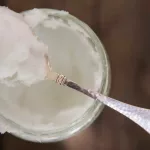
Applying oil to stretched ears keeps the skin moisturized and stronger, which lowers the risk of tearing.
Various oils work well for maintaining moisture. Common choices include:
- coconut oil
- tea tree oil
- jojoba oil
- castor oil
Begin with an appropriate gauge
Standard earrings are usually 20 or 18 gauge. When starting to stretch, many recommend beginning with 16 or 14 gauge.
Stretching beyond 2 gauge is frequently described as “the point of no return.” At that stage, surgical correction is often necessary if you want the hole to close completely.
How to treat a blowout
If you already have a blowout, these steps may help with recovery.
Reduce your gauge
If a blowout is starting to form, move to a smaller jewelry size.
Many suggest dropping two or three sizes (for example, from 4 gauge to 6 gauge). After the blowout heals, you can cautiously increase the size again, one step at a time.
Clean with saline
Soak your earlobe in saline solution three times daily to clean the area.
Ready-made saline is available, or you can mix your own: stir 1/4 teaspoon of salt into 8 ounces of distilled water.
Surgical and other removal options
Some blowouts may become permanent, particularly if they develop into raised keloid scars. In such instances, surgery may be required to remove the damaged tissue.
There are several surgical approaches to repairing a gauged ear. A common technique, wedge resection, involves creating an L-shaped incision and folding the lobe to close the defect.
Other keloid treatments can include:
- laser therapy
- silicone sheeting
- cryotherapy (freezing)
- steroid injections
Aftercare for safe ear stretching
A blowout is usually a warning that you’re advancing too fast. Follow these tips to stretch safely and reduce risk:
- Increase by one size at a time. Moving up too quickly can rip the skin. Only advance one size (2 gauge difference) per step.
- Wait 4 to 6 weeks between stretches. Allow inflammation and soreness to resolve before moving to a larger gauge.
- Keep lobe skin moisturized. Oils help maintain healthy skin and decrease tearing risk. Specialty lubricants are sold for stretching, or you can use natural oils like coconut or jojoba.
- Stop if you feel pain. Stretching should not produce sharp pain or bleeding—those are signs you’re progressing too fast.
Bottom line
Blowouts are rings of irritated tissue that form behind stretched jewelry and indicate that an ear has been stretched too quickly.
Patience is the best prevention: wait 4 to 6 weeks between size increases and only move up one gauge at a time to lower your chance of developing a blowout.


















Leave a Reply
You must be logged in to post a comment.