
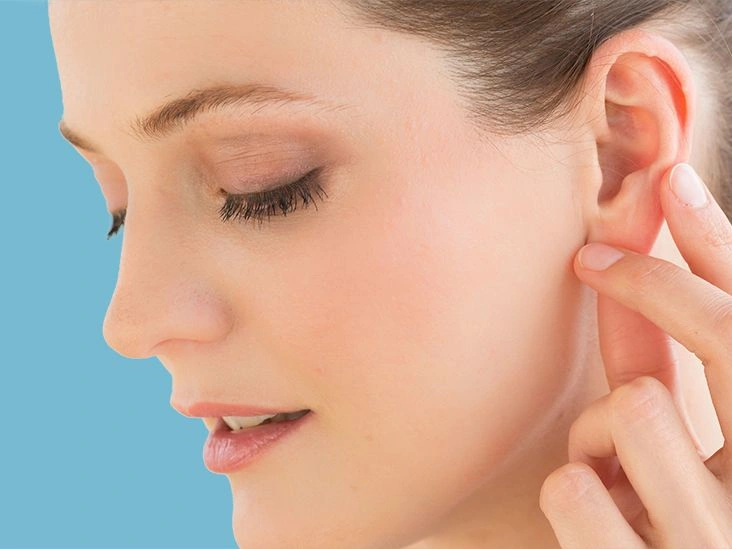
Depending on the underlying cause, acupressure may ease headaches or sensations of ear fullness. However, more rigorous studies are required to confirm its effectiveness.
Sinus inflammation is a common source of ear pain and head discomfort. When fluid and pressure accumulate in the sinus cavities, your ears can feel blocked and you may experience throbbing pain around the temples and behind the ears. For generations, acupressure and massage have been applied as treatments for pain and pressure in the head and ears.
Acupressure is a complementary medicine method built on applying pressure to specific “energy points” on the body. Some research indicates acupressure might help conditions involving the sinuses and ear canal. The pressure points on the ear itself are known as “auricular points.”
Acupressure uses finger pressure on locations corresponding to where an acupuncture needle would be placed, implying that stimulating points away from the painful area can still reduce headaches and earaches. Keep reading to learn what’s known about acupressure and related holistic approaches.

The science behind pressure points, earaches, and headaches
Most of the support for acupressure as a remedy for headaches is anecdotal. There is some evidence that massage therapy — which activates pressure points and boosts circulation — can lessen head pain and aid sinus drainage. A literature review suggests manual lymphatic drainage along the side of the neck may be performed and could result in relief for head and ear pain.
If stress, allergies, or sinus congestion are contributing to your discomfort, acupressure is relatively low risk and might be worth trying.
Pressure points for earaches and headaches
If you want to attempt acupressure for a headache or earache, follow these basic guidelines:
- Find a calm, comfortable environment and settle into a relaxed posture. Take several slow, deep breaths before you begin.
- Apply firm, steady pressure to the identified points. Use small circular or up-and-down motions with your fingers for a few minutes at each location, concentrating on one point at a time.
- Repeat the routine two or three times daily.
Below are several pressure points and the types of discomfort each is commonly used to address.
Forehead (“third eye”)
Located between the eyebrows and just above the nose bridge, the “third eye” point is thought to encourage sinus drainage and reduce tension in the cheeks, jaw, and forehead muscles. Use this point for aches tied to infection or nasal congestion, including:
- sinus headaches
- tension headaches
- migraine headaches
- earaches
Temple
Rubbing the temples is a reflex many adopt during a headache. According to acupressure practice, massaging these temple points may increase circulation and ease headache symptoms. This can be helpful for migraines, light sensitivity, or fatigue-related head pain.
Base of the skull (“wind mansion”)
This frequently used massage site is reported to boost circulation and promote relaxation. If stress or exhaustion is causing your headache, applying pressure at the hollow at the base of the skull — sometimes called “wind mansion” — may offer relief.
Wind screen
Found just behind the earlobe, this point is commonly massaged to alleviate a plugged feeling in the ears and may also help with tinnitus and migraine symptoms.
Ear-gate
Located immediately in front of where the earlobe starts, stimulating this point is believed to reduce pressure around the jaw and in the ears. It’s used for tinnitus, ear infections, earache, tension headaches, and migraine.
Daith
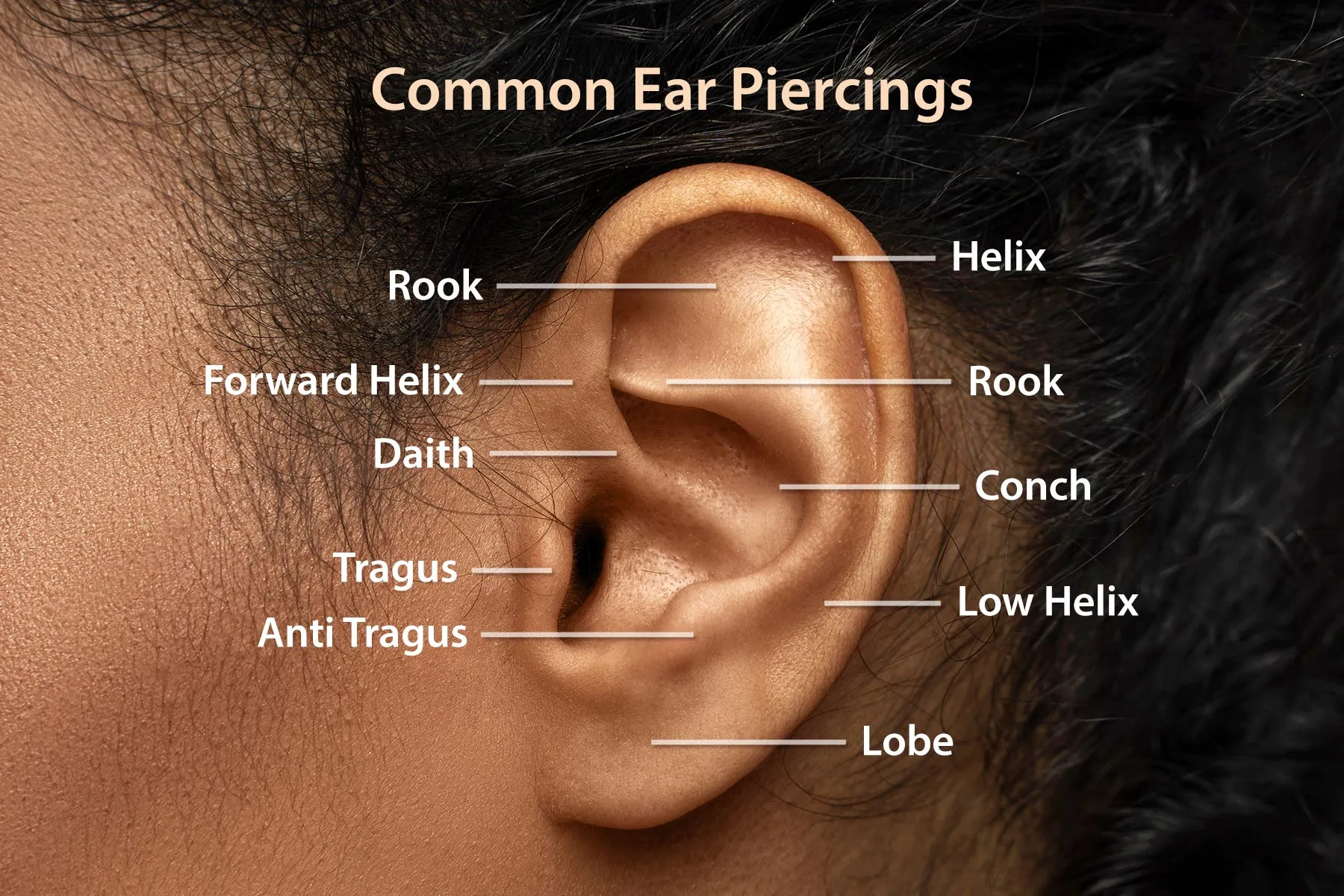
Situated on the upper portion of the innermost cartilage of the outer ear, this point is popular for migraine relief; some individuals even get a daith piercing to provide ongoing stimulation. Activating this point may help migraine, tension, and cluster headaches.
Hairline curve
This point lies on the side of the head, roughly 2 inches above the top of the ear. A 2006 study indicated stimulation here could be particularly effective for tinnitus.
Heaven’s pillar
These two points are situated on both sides of the neck, about 2 inches below the skull base. You can press both simultaneously or focus on the side where you feel pain. Stimulating heaven’s pillar points may ease sinus pain, reduce tension, and help with earaches or migraines.
Ear apex
A 2011 study on acupuncture found that auricular point stimulation could be an effective migraine therapy. The ear apex — located on the cartilage where your ear reaches its highest point — is a commonly used auricular point for earache, migraine, and tension headache relief.
Between thumb and forefinger on hand (“union valley”)
This point sits in the webbing between your thumb and index finger. Although it might seem odd to treat head or ear pain via a hand point, this holistic technique is well-known. People use pressure here for various types of pain, including headaches, nausea, dizziness, and gastrointestinal discomfort. You may also find related advice for ear numbness in discussions about hand and ear pressure techniques.
Takeaway
We don’t have definitive proof that acupressure consistently stops headaches or unblocks ear pressure. Still, there’s no indication that trying these low-risk holistic approaches will cause harm, so experimenting with them may be worthwhile. While more research is needed, pressing certain points might encourage sinus drainage and lessen discomfort.
If your headaches and earaches persist for several days despite self-care, consult your doctor. At times these symptoms can signal a more serious medical issue.





















Leave a Reply
You must be logged in to post a comment.