
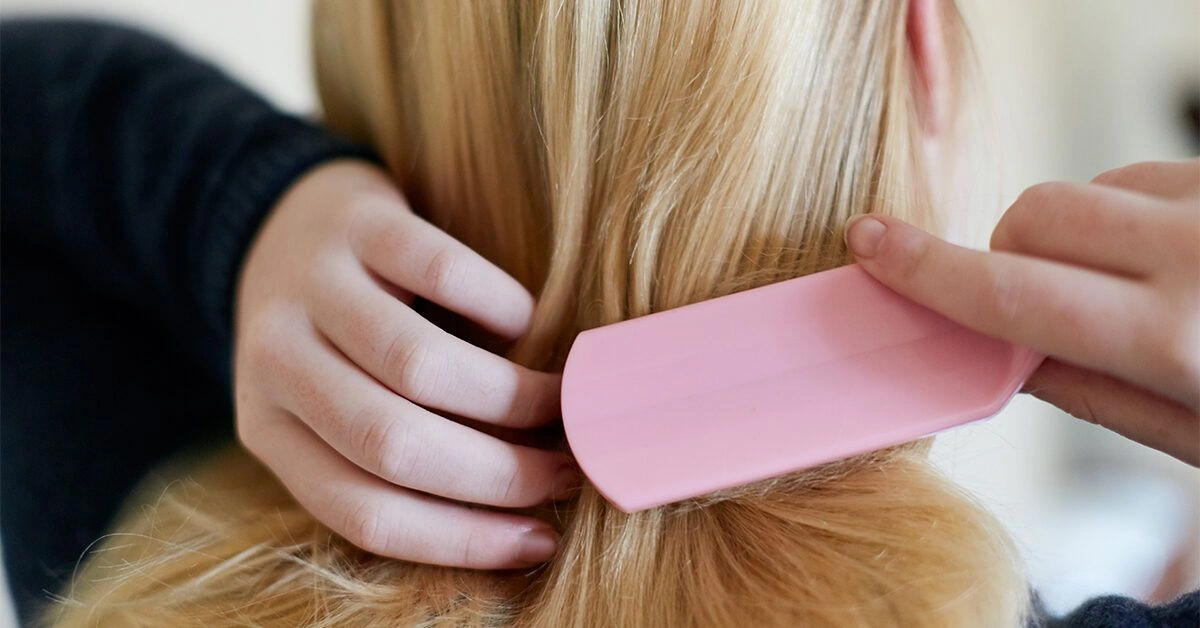
Teen hair loss can stem from hereditary tendencies, hormonal disturbances, or underlying health issues. In many instances, hair thinning can be reversed with the right therapy.
Most people will experience some level of hair loss over their lifetime. While it’s more typical to notice this in adulthood, a smaller number begin shedding hairs during their teenage years.
Losing hair is challenging for anyone, but it can be especially distressing for adolescents. Hair loss can significantly affect self-image and confidence.
Below we explore a variety of possible causes of teenage hair loss and review treatments available for each condition.
Causes of teenage hair loss in males and females
Possible reasons teenagers lose hair include the following:
Genetics
Androgenetic alopecia is an inherited type of hair loss, often referred to as male-pattern or female-pattern hair loss. It follows a characteristic pattern.
In males, it typically shows as a receding hairline in M, V, or U shapes and gradual thinning at the crown. Females usually notice more diffuse thinning along their central part.
Although pattern hair loss most often begins in adulthood, it can also start during the teen years. Teenagers can experience this type, although exact rates are unclear.
Your risk increases if close family members also have pattern hair loss.

Alopecia areata
Alopecia areata is an autoimmune disorder that causes hair to fall out in distinct patches.
Autoimmune illnesses occur when the body wrongly attacks its own healthy tissue. With alopecia areata, the immune system targets hair follicles, leading to hair loss on the scalp, eyebrows, eyelashes, or elsewhere on the body.
Alopecia areata affects about 2% of people at some stage. Most cases begin before the age of 30, and it can emerge in childhood.
Malnutrition
Malnutrition refers to an inadequate intake or imbalance of essential nutrients. Causes can include limited food access, restrictive diets, eating disorders, or malabsorption issues.
Lack of certain nutrients can contribute to hair loss, including deficiencies in:
- vitamin A
- vitamin E
- zinc
- vitamin C
- iron
- niacin
- vitamin D
- vitamin E
- biotin
- folic acid
- selenium
Thyroid conditions
Disorders of the thyroid that cause underproduction or overproduction of thyroid hormones can result in hair thinning or brittle hair.
Hair loss from thyroid disease typically shows as an overall thinning across the scalp. Hair loss is more likely in those with severe or prolonged thyroid dysfunction. With appropriate treatment, hair often regrows.
Lupus
Lupus is an autoimmune disease in which the immune system assaults tissues and organs. Symptoms may include joint pain, fatigue, a butterfly-shaped facial rash, and hair loss.
People with lupus might notice gradual thinning of hair. Regrowth may occur in some cases but not in others.
Polycystic ovary syndrome
Polycystic ovary syndrome (PCOS) is a prevalent condition in females that leads to elevated androgen (male hormone) levels.
While women normally produce hormones like testosterone, excess amounts can cause irregular periods, acne, and hair thinning.
Treating hormonal imbalances can often promote hair regrowth.
Some medicines and medical treatments
A range of drugs and medical therapies can trigger hair loss. Examples include:
- acne medications
- antibiotics
- blood thinners
- anticonvulsants
- antidepressants and mood stabilizers
- antifungal agents
- antihypertensive medications
- chemotherapy
- cholesterol-lowering drugs
- gout treatments
- immunosuppressants
Hair treatments, coloring, and styling
Frequent hair dyeing or chemical procedures can weaken hair and increase breakage. These practices usually affect the hair shaft rather than the follicle, so growth often returns after stopping treatments.
Other damaging factors include pool chlorine, hair bleaching, and excessive heat from styling tools.
Other causes of hair loss
- Traction alopecia: Caused by repetitive tension from styles like tight buns, ponytails, or braids. Hair loss is often concentrated along the hairline and can be reversible if addressed early.
- Trichotillomania: A psychological disorder where individuals feel compelled to pull out their hair. Onset commonly occurs between ages 10 and 13.
- Ringworm of the scalp: A fungal infection causing itchy, scaly patches on the scalp. In some cases, inflammation can lead to scarring and permanent hair loss.
- Telogen effluvium: A temporary shedding condition that results in excessive hair loss. It can be triggered by stress, illness, childbirth, or rapid weight loss.
Can puberty cause teenage hair loss?
Puberty brings hormonal shifts that can influence hair growth. Pattern hair loss may begin soon after puberty and progress gradually.
Pattern hair loss is the most frequent cause of hair loss in both sexes.
Symptoms of teenage hair loss
Teenagers may experience patchy bald spots, general thinning, or pattern hair loss depending on the cause. If a medical condition is responsible, other symptoms may appear alongside hair loss.
The table below summarizes hair loss types and common signs:
| Type of hair loss | Patchy hair loss | Pattern hair loss | Hair thinning | Complete hair loss | Hairline recession |
|---|---|---|---|---|---|
| Alopecia areata | ✓ | ✓ | |||
| Androgenetic | ✓ | ✓ | ✓ | ||
| Hair treatment, coloring, and styling | ✓ | ||||
| Lupus | ✓ | ✓ | |||
| Malnutrition | ✓ | ||||
| Medications | ✓ | ✓ | ✓ | ||
| Polycystic ovary syndrome | ✓ | ||||
| Ringworm of the scalp | ✓ | ||||
| Telogen effluvium | ✓ | ||||
| Thyroid conditions | ✓ | ||||
| Traction alopecia | ✓ | ✓ | |||
| Trichotillomania | ✓ | ✓ |
When to consult a doctor about teenage hair loss
If a teenager is losing hair, it’s advisable to see a physician. They can assess whether the cause is medical or hereditary.
Early diagnosis in some cases improves the likelihood of hair regrowth.
Diagnosing the underlying cause
A clinician can often identify the cause through a physical exam and review of medical history. They may perform a pull test to count shed hairs and inspect the scalp using magnification.
Blood tests may be ordered to check for hormonal imbalances or nutrient shortages. In some cases, a small scalp biopsy is taken for further analysis.
Treatment options for teenage hair loss
Treatment depends on the specific cause. Some forms of hair loss can be reversed with appropriate care.
The following table outlines treatments that might be recommended for various conditions:
| Type of hair loss | Treatment options for teenagers |
|---|---|
| Alopecia areata | Corticosteroids delivered via injections, topical ointments, or oral medication |
| Genetic | Medications such as minoxidil (Rogaine)* |
| Hair treatment, coloring and styling | Cease further chemical or heat-based hair procedures |
| Lupus | Avoid excessive sun exposure, maintain a balanced diet, manage stress, and prioritize rest |
| Malnutrition | Correct nutrient deficiencies through diet and supplementation |
| Medications | Change dosage or switch to alternative drugs if possible |
| Polycystic ovary syndrome | Medications like metformin (Glucophage) and hormonal contraceptives |
| Ringworm of the scalp | Oral antifungals and medicated shampoos |
| Telogen effluvium | Improve overall nutrition, reduce stress, consider PRP or supplements |
| Thyroid conditions | Thyroid replacement or antithyroid drugs such as methimazole |
| Traction alopecia | Avoid tight hairstyles and consider corticosteroid injections |
| Trichotillomania | Behavioral therapy and psychological support |
* Topical minoxidil (Rogaine) is not FDA-approved for those under 18 due to limited research. Some studies have shown benefit for pattern hair loss, but it should only be used under a doctor’s guidance.
Can you stop hair loss in teenagers?
Certain causes of teen hair loss can be halted and sometimes reversed. For example, treating thyroid imbalances can restore hair growth.
Other causes, such as hereditary hair loss, currently have no cure and may progress, although treatments can slow the process.
The only way to know whether hair loss can be stopped is to obtain an accurate diagnosis from a healthcare professional.
Coping with traumatic hair loss
Losing hair during adolescence can be emotionally taxing. Teens may feel compelled to conceal their hair loss and worry about its progression.
This experience can damage self-esteem and affect confidence at an age when identity is forming.
If your teenager is dealing with hair loss, reassure them that it does not change who they are and that it doesn’t reflect a personal failing. Make it clear you are available to listen and support them.
If they are experiencing significant stress or depression, a doctor can recommend a mental health professional.
Frequently Asked Questions
Is it normal for a 15-year-old to lose a lot of hair?
Hair loss increases with age, but if a 15-year-old is shedding an unusually large amount, it’s sensible to consult a doctor to check for underlying causes.
Which vitamin deficiency causes hair loss?
Several nutrient deficiencies can lead to hair loss, including shortages of vitamins C, D, E, and iron.
Can you reverse hair loss?
Hair loss caused by medications or treatable health issues may be reversible. A doctor may recommend stopping or switching medications and treating underlying conditions. While this won’t restore hair in every case, it can slow or partially reverse shedding.
Takeaway
Adolescents can lose hair for many reasons. Genetic pattern hair loss may begin after puberty and follow a characteristic pattern. Alopecia areata is a relatively common autoimmune cause that can start in childhood or the teenage years.
Seeing a doctor when a teenager is losing hair is advisable to obtain an accurate diagnosis and to rule out treatable medical causes.


















Leave a Reply
You must be logged in to post a comment.