Hair Loss
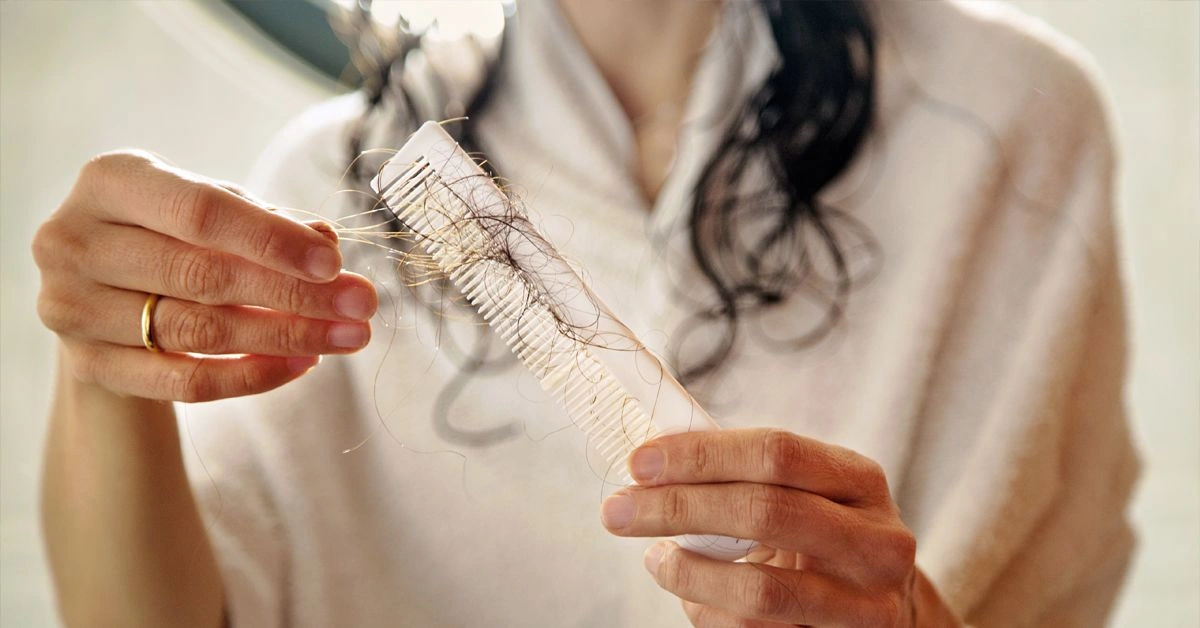
The Hair Loss section features the latest articles and expert advice, exploring effective treatments, causes, and solutions for various types of hair thinning and loss.

What Black Men Can Do About a Receding Hairline
Black men noticing a retreating hairline generally have three routes: shave the head completely like Michael Jordan; accept the change and adapt your hairstyle to the remaining hair; or pursue hair restoration treatments. The leading cause of a receding hairline in Black men — as in most men — is male pattern baldness, clinically referred to as male androgenetic alopecia. It’s inherited and not something you can prevent. (img by…
Mold Doesn’t Grow on Your Hair – But These Fungi May
Mold is a kind of fungus that flourishes in damp conditions and spreads by releasing spores. While people sometimes use “mold” to describe all fungi, that usage is inaccurate. There’s no scientific proof that mold colonizes human hair. However, other fungi — notably yeasts — commonly affect the scalp and can cause issues like hair loss or dandruff. Certain fungi can also grow on the hair itself. (img by Newsweek)…
Does Black Tea Support Hair Health?
Black tea is a widely consumed drink prepared from the oxidized leaves of the Camellia sinensis plant (1). Beyond its dietary advantages, black tea has long been used in hair care routines. Many users report that it can stimulate hair growth, deepen hair color, and increase shine. Historically, people have applied black tea rinses — pouring brewed black tea over the hair — as a beauty practice for generations. But…
MSM for Hair Growth
MSM is a naturally occurring substance that some people say may encourage hair growth. However, current research is insufficient to conclusively confirm these claims. Consult a healthcare provider before using MSM for hair-related concerns. Methylsulfonylmethane (MSM) is a sulfur-containing compound present in plants, animals, and humans. It is also producible through chemical synthesis. MSM is often highlighted for its anti-inflammatory effects. Because of this attribute, it’s commonly taken as an…
Alcohol and Hair Loss: What You Need to Know
Key takeaways High alcohol intake can cause nutritional shortfalls that influence hair health by lowering levels of vital nutrients such as zinc, copper, and protein, potentially resulting in hair thinning or loss. Alcohol can disturb thyroid activity and hormonal balance, which may contribute to gradual hair shedding or loss, particularly when combined with smoking, vaping, or other tobacco use. Cutting back on alcohol, eating a varied diet, and seeking advice…
Can Ashwagandha Help Treat or Slow Hair Loss?
Ashwagandha might help address hair loss through its effects on stress, inflammation, and hormonal imbalances, but stronger research is required to confirm these potential advantages. Hair thinning and shedding can stem from genetic factors, a recent illness, or a variety of other triggers. Depending on the root cause, treatment may include medications, lifestyle adjustments, or procedures. Some people turn to ashwagandha as an alternative approach for hair loss. This adaptogenic…
What Is Hair Density and Why It Matters
Hair density describes the number of hair strands that grow per square inch of your scalp. Knowing your density can help you choose the most suitable styling techniques and products. Hair can be classified in many ways — by length, color, texture, thickness, or density. To assess your hair density you don’t need a microscope to count each strand. A general sense of whether your hair is sparse or abundant…
What Causes Hair Loss on the Legs and What Can You Do About It?
Hair thinning on the legs can stem from many causes, including aging, heredity, or medical issues like peripheral artery disease or thyroid imbalances. A medical professional can identify the reason for leg hair loss by reviewing your history, performing bloodwork, and conducting a physical exam, and may send you to a dermatologist for specialized care. Treatments for leg hair loss depend on the underlying reason and might include nutritional supplements,…
How to Reduce and Prevent Hair Follicle Miniaturization
Key takeaways Hair follicle miniaturization causes hair thinning and balding by shrinking follicles, which makes it harder for hair to grow normally. Medications and surgical options can address follicle miniaturization; beginning treatment early gives the best chance to preserve existing hair. Hair follicle miniaturization is the medical phrase for hair thinning or progressive balding. (img by Wimpole Clinic) This condition, which is most often seen in men, occurs when the…
Everything You Should Know About a Hair Strand Drug Test
A hair strand drug test examines clipped hair to check for illegal drug use and misuse of prescribed medicines. Although often called a “hair follicle test,” the analysis inspects only cut hair strands, not the follicles beneath the scalp. During this procedure, a small bundle of hair is cut from your head with scissors. The sample is analyzed for evidence of drug exposure during the roughly 90 days prior to…