
Key takeaways
- PRP therapy involves drawing a sample of your blood, concentrating the platelets, and injecting that platelet-rich plasma into the scalp to potentially encourage hair growth.
- Because it uses your own blood, PRP is generally considered safe, but possible side effects include discomfort, headache, itching, swelling, and temporary skin discoloration.
- PRP can be a costly hair-loss intervention often not covered by insurance — discuss pricing and payment choices with your clinician.
Platelet-rich plasma (PRP) is a clinical technique intended to promote repair, regeneration, and tissue growth. It’s commonly applied to injuries of tendons, ligaments, and muscles.
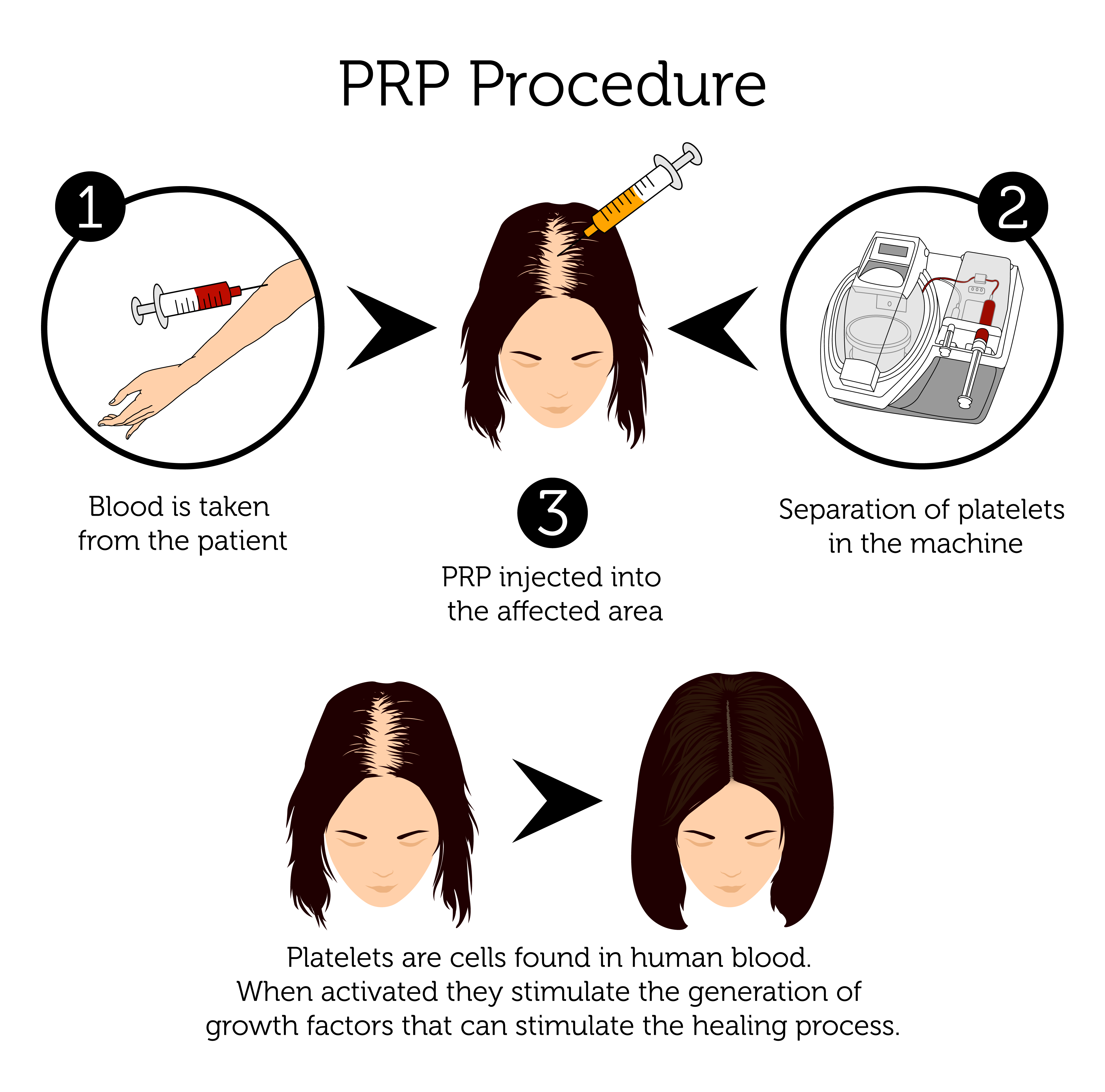
PRP is performed as a three-step procedure: drawing blood, processing it, and injecting the prepared plasma into the target area.
Evidence indicates PRP injections may help with hair loss in several ways. For example:
- A 2022 review reported PRP can encourage hair growth and thickness and may shield follicles from premature shedding.
- A 2020 review of 13 trials observed that PRP can boost hair thickness and density.
- A 2018 review suggested PRP may stimulate hair growth by enhancing blood flow to hair follicles.
This article explains how PRP works and how it may be applied for treating hair loss.
How PRP therapy is performed
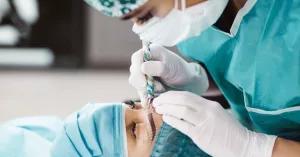
PRP treatment delivers platelet-concentrated plasma into targeted regions of the scalp.
Plasma is the fluid component of blood, which also contains platelets, white blood cells, and red blood cells.
Platelets are involved in clotting but also harbor cytokines and growth proteins that support tissue repair and rejuvenation.
Step 1
Typically, between 10 and 60 milliliters (mL) of blood is taken from your arm and placed into a centrifuge — a device that spins quickly to separate components by density.
Step 2
After about 10 minutes in the centrifuge, the blood separates into three distinct layers:
- platelet-poor plasma
- platelet-rich plasma
- red blood cells
Step 3
The platelet-rich layer is drawn into a syringe and injected into scalp areas needing improved hair growth.
A 2022 review noted there’s no universal protocol for the timing or duration of PRP in hair-loss treatment. For instance, studies reviewed ranged from 4 injections every 15 days over 3 months to 3 monthly injections continued for 6 months.
The authors emphasized that platelet count in the PRP is a critical factor. A 2021 study found that higher platelet concentrations had stronger effects on hair density, follicle diameter, and terminal hair count.
Side effects of PRP for hair loss
Because PRP uses your own blood, there’s no risk of contracting infectious diseases from the procedure.
Research from 2022 suggests side effects are generally limited, though you might experience:
- some pain during the injections
- headache
- itchiness
- swelling
- transient skin discoloration
People respond differently to injection treatments. Discuss potential adverse effects with a clinician before beginning PRP.
Factors that increase PRP risks
Certain circumstances can raise the likelihood of complications during PRP therapy. These may include:
- recent use of specific drugs, such as nonsteroidal anti-inflammatory drugs (NSAIDs) within 48 hours before PRP
- medical conditions like low platelet counts, sepsis, or platelet function disorders
- some cancers, for example, bone malignancies
- tobacco use
- receiving certain corticosteroid injections within 2 to 4 weeks prior to PRP
- fever
- anemia
Talk with a healthcare professional about PRP before starting treatment, and provide a full list of medications, supplements, and herbal remedies you take.
Cost of PRP for hair loss
The average estimated cost for PRP therapy in orthopedic indications is about $500–$2,500 per session. The price for hair restoration can vary depending on factors such as:
- where you live
- the standard of equipment used
- whether additional nutritional or augmenting components are included
Most insurers don’t cover PRP for hair loss. If you have insurance, check with your provider about coverage. If you’re uninsured, clinics may offer payment plans or discounted rates for self-paying patients.
Optum Now is operated by RVO Health. By clicking on this link, we may receive a commission. Learn more.
Frequently asked questions
What is the downside of PRP therapy?
A major drawback of PRP for hair loss is the cost, and it’s seldom reimbursed by health insurance plans.
Does PRP therapy actually regrow hair?
Multiple studies indicate PRP can help stimulate hair growth, increase thickness, and reduce premature hair shedding.
How long do PRP results last for hair loss?
Duration of benefit varies between individuals. In a 2015 study of 20 participants, only 4 reported hair loss 12 months after the final session.
Another 2014 study of 20 people showed hair density rose and peaked at 3 months post-treatment, then declined by 6 months. Those researchers recommended maintenance PRP every 6 months for sustained results.
Takeaway
PRP is a clinical option that may be incorporated into a hair-loss treatment plan. Other possibilities include topical or oral medications such as minoxidil and finasteride, and surgical options like hair transplantation.
If you’re unsure whether PRP is suitable for you, consult a healthcare provider who can tailor a hair-loss treatment strategy to your needs.















Leave a Reply
You must be logged in to post a comment.