
A coffee scrub is exactly what it sounds like: a topical scrub made from coffee grounds for your skin. Although firm scientific proof is limited, coffee scrubs are widely promoted online and in beauty outlets as a natural approach to reducing the appearance of cellulite.
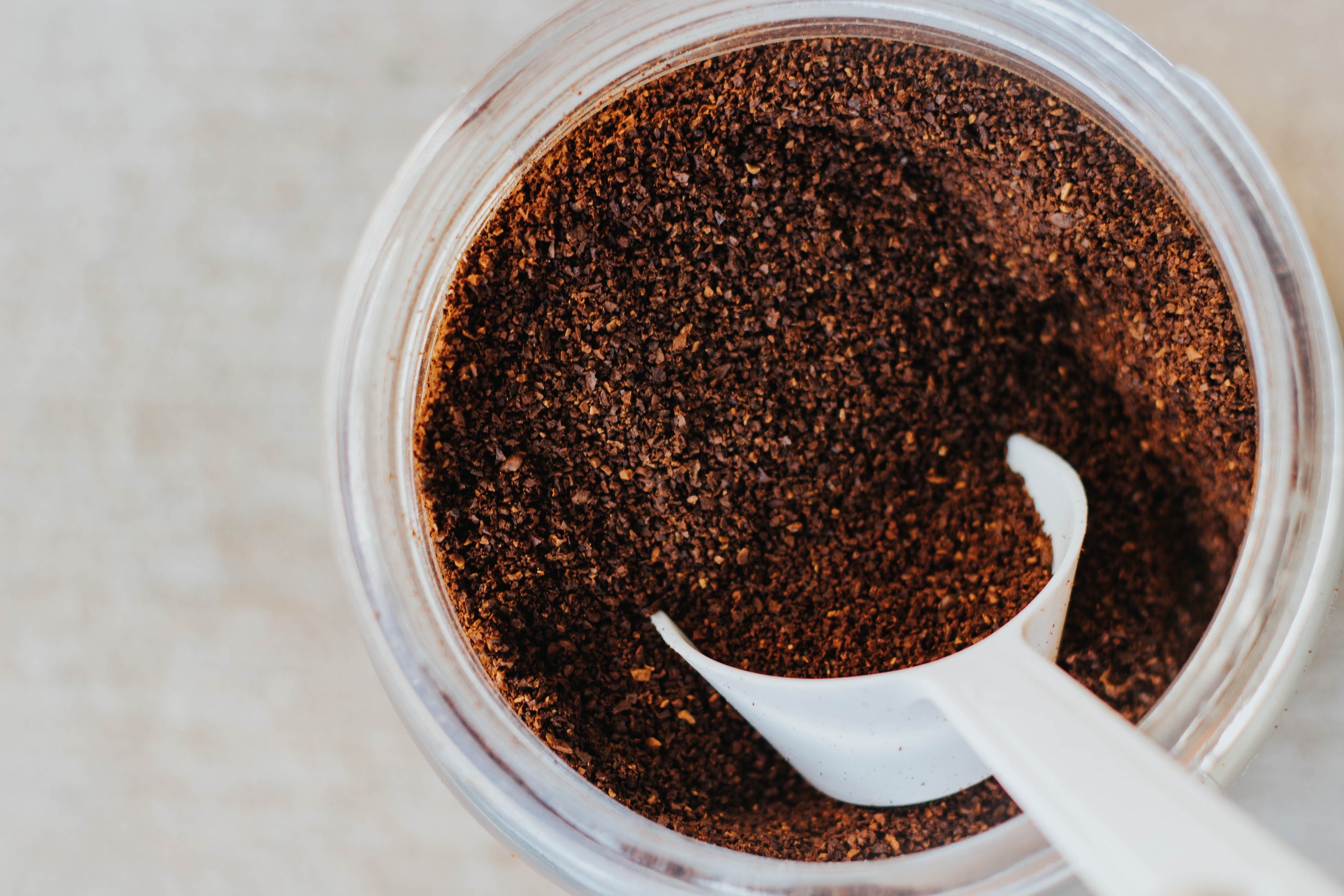
These preparations are valued for their caffeine and antioxidant content, which are believed to benefit the skin when applied topically, but their direct effect on cellulite remains uncertain.
Cellulite describes the dimpled texture of skin that affects most women and some men. These dimples form when fat deposits beneath the skin press up against connective tissue nearer the surface.
Cellulite can appear anywhere but is most commonly seen where fat tends to accumulate, such as the thighs and buttocks.
Once established, cellulite is notoriously difficult — often nearly impossible — to eliminate completely. Treatments generally aim to minimize the visible dimpling. Coffee scrubs may contribute to that goal, but it’s wise to consult a dermatologist first.
What does science say?
Coffee scrubs are claimed to work against cellulite through several mechanisms.
It’s proposed that caffeine in coffee can constrict blood vessels and lessen the visibility of skin dimples. Caffeine’s stimulating effects may temporarily tighten the skin by enhancing circulation and reducing water retention.
Coffee is also loaded with antioxidants, which may support a healthier skin appearance. These include phenolic compounds — plant-based chemicals believed to neutralize free radicals.
Another advantage of a coffee scrub is the physical exfoliation provided by the grounds. Like other scrubs, this action helps lift dead skin cells and can create a smoother, more even surface. Although exfoliation won’t eliminate cellulite, it can make it appear less noticeable.
The rubbing or massaging motion may add benefit: according to the American Society for Dermatologic Surgery, massage can encourage lymphatic flow and stretch skin layers, improving the appearance of cellulite.
Nevertheless, robust research specifically on coffee scrubs is limited.
Existing studies and reviews mainly examine cellulite treatments that include caffeine and related compounds rather than coffee grounds themselves.
One review reported that when caffeine was combined with retinol, carnitine, and other agents, it increased epidermal thickness (the skin’s outer layer). This benefit was seen with a cosmetic product containing caffeine, not with brewed coffee.
Another study on a topical cream with caffeine noted reductions in cellulite and site circumference. Again, the product did not include coffee grounds.
While these findings suggest caffeine may have a role in addressing cellulite, additional well-designed clinical trials are necessary.
To date, no clinical trial has evaluated coffee scrubs specifically for cellulite reduction.
How to use it
To make a coffee scrub, mix fresh coffee grounds with hot water, stirring until you reach a paste-like consistency. If your skin is dry, add a small amount of coconut or olive oil for extra moisture.
Avoid using spent coffee grounds from your coffee maker — they’ve already been extracted. To maximize any caffeine-related benefit, choose regular coffee rather than decaffeinated varieties.
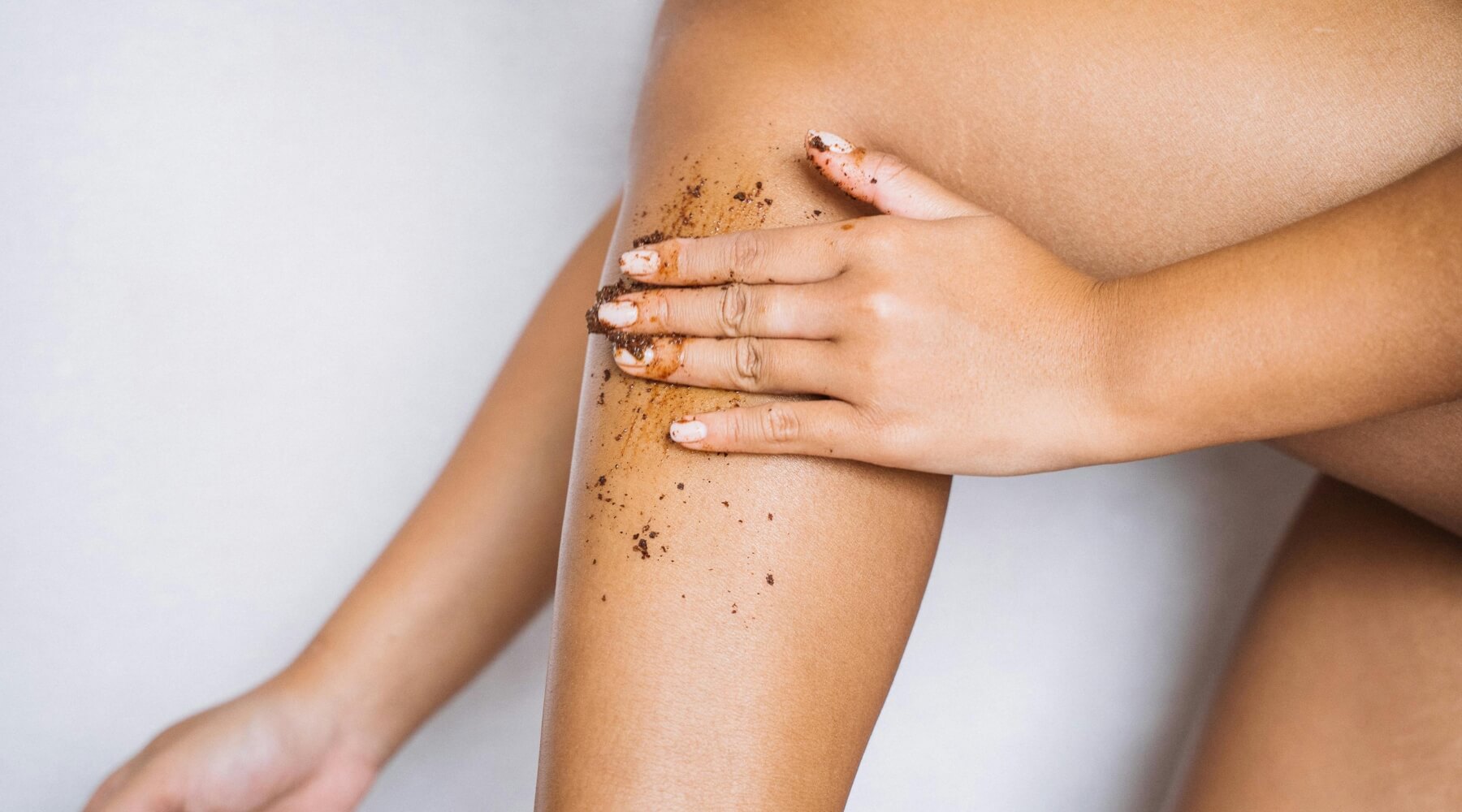
Apply the scrub to clean, damp skin. Gently massage the mixture over target areas using light circular motions with your fingertips, rather than rubbing aggressively. If you prefer, use a soft cloth or a dry-bristle body brush to keep the paste off your nails.
After massaging for several minutes, rinse thoroughly. Performing this in the shower helps prevent messes and removes coffee residue easily.
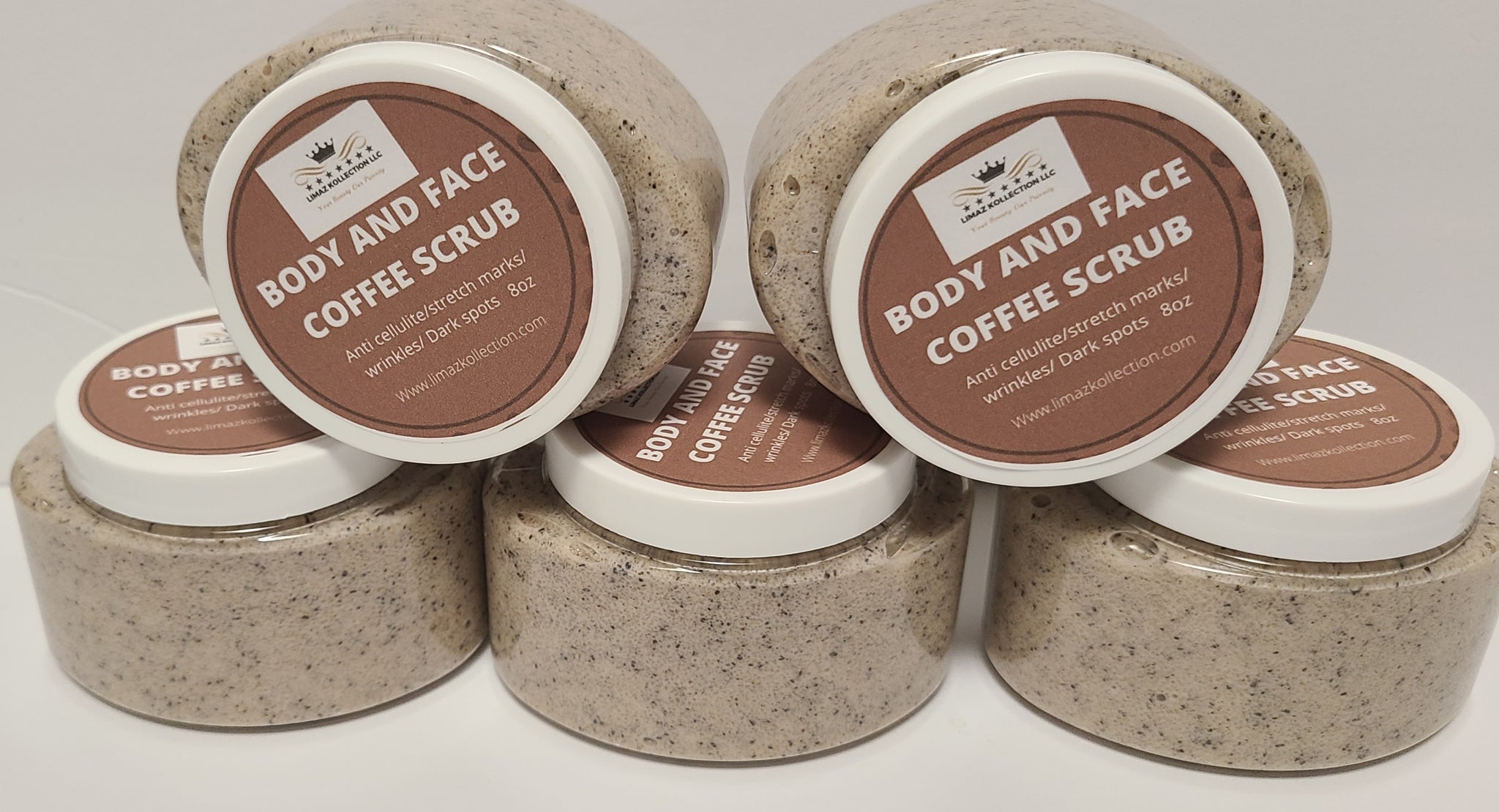
If DIY isn’t appealing, you can purchase ready-made coffee scrubs formulated for cellulite. Follow the manufacturer’s directions and stop use if you develop irritation or a rash.
For best effect, use the coffee scrub a few times per week — the same guideline that applies to many exfoliants and masks.
It may take several weeks of regular use to notice any change. If you don’t see improvement after consistent application, consider consulting a dermatologist for other options.
Should you try it?
Coffee scrubs have become a popular approach for managing cellulite, with many users reporting favorable results. However, it’s unclear whether perceived improvements stem from coffee’s active ingredients or simply from the exfoliation and massage.
Because rigorous scientific evidence directly linking coffee scrubs to cellulite reduction is lacking, approach the claims with measured optimism.
Also keep in mind that, like many topical treatments, any benefits you gain may fade after you stop using the product.
If you’re seeking additional ways to reduce the look of cellulite, discuss options such as exercise and medical therapies with your healthcare provider.
For a homemade option that complements the steps above, consider trying a diy coffee scrub to explore a simple, natural approach to skin exfoliation and potential improvement in appearance.
















Leave a Reply
You must be logged in to post a comment.