
Fast facts
- Preventative Botox refers to facial injections intended to delay the development of wrinkles.
- Botox is generally safe for most individuals when given by a qualified clinician. Typical side effects include pain, swelling, and bruising at injection sites. Rarely, Botox can cause toxicity leading to muscle weakness and other issues.
- Preventative Botox is widely available and relatively easy to obtain. Still, it’s strongly advised to seek treatment from a dermatologist or plastic surgeon trained in Botox injections rather than a day spa or unlicensed clinic.
- Botox is not covered by insurance for cosmetic use and typically costs between $400 and $700 per session.
- Effectiveness of preventative Botox varies. It may not stop wrinkle formation entirely, but it can keep them from becoming visible.
What is preventative Botox?
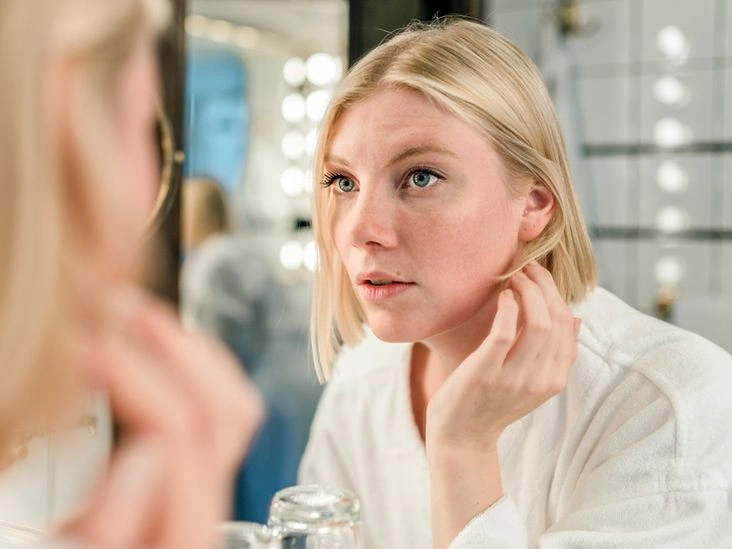
Preventative Botox denotes injections aimed at delaying wrinkles. Botox (botulinum toxin) has been promoted for roughly two decades as a treatment for visible aging signs on the skin. Preventative use begins before noticeable fine lines or wrinkles appear. Botox is the most frequentlyperformed cosmetic procedure in the U.S.
“If Botox is used when fine lines first appear, it can halt their progression,” says Dr. Debra Jaliman, a board-certified NYC dermatologist. “The ideal candidate is someone who notices faint lines. Those faint lines are clues to future wrinkles.”
People in their mid-to-late 20s or early 30s can be considered for preventative Botox. “Around 25 is a reasonable age to begin if you have a very expressive face and lines,” Jaliman added.
Cost
Botox is not inexpensive and cosmetic or preventative treatments are not covered by insurance. “Botox generally costs about $500 per treated area,” Jaliman told HealthEH. Prices vary based on the provider’s experience and local cost of living. “You may find cheaper options, but you increase your risk of complications,” she warns.
“Complications tend to occur when injections are performed by less skilled practitioners,” Jaliman said.
On the plus side, Botox pricing is typically straightforward with few hidden fees common to some medical or aesthetic procedures. You’ll need to remain upright for roughly four hours after injections, but you can usually return to work the same day with no downtime.
Appointments are brief, ranging from ten minutes up to half an hour. If you spend heavily on preventative skincare or beauty treatments, you could argue that preventative Botox might be cost-effective over time.
How it works
Some dermatologists contend preventative Botox can prevent wrinkles from forming. Jaliman supports this view.
“Starting younger often means fewer fine lines and wrinkles later on. You’ll require less Botox than someone who didn’t use preventative Botox and begins at an older age.”
Botox acts on facial expression muscles by blocking nerve signals to them. Since many wrinkles arise from repetitive muscle movements, Botox reduces those expressions and can thereby help prevent wrinkles.
Botox differs from dermal fillers, which inject a gel or collagen alternatives to plump skin. Botox functions as a nerve blocker.
By inhibiting nerve signals, Botox relaxes the muscles beneath the skin that drive facial expressions. Repeated facial movements form wrinkles over time; Botox reduces those movements to potentially avert wrinkle formation.
Procedure for Botox
The Botox process is fairly simple. Prior to your initial treatment, you’ll have a consultation to discuss goals and potential side effects or complications.
At the treatment, you’ll recline and be asked to relax. The injector may request you make certain facial expressions — like raising or furrowing your brows — to map your muscles and lines and guide precise injections. The shots can sting somewhat, and multiple injections are common.
After injections, small bumps may appear at the sites for about 30 minutes. You must keep your head upright for at least four hours and avoid exercise for the remainder of the day.
Targeted areas
Botox is most often used between the eyebrows, around the eyes (crow’s feet), and on the forehead where the brow furrows. These are the primary target areas for preventative and standard Botox use.
Some individuals also treat perioral “smile lines” around the lips or the chin area with Botox. These spots are less commonly treated, and dermatologists sometimes recommend dermal fillers for them instead.
Risks and side effects
For most people Botox is safe, particularly when performed by a trained professional. Side effects for preventative use are the same as for other cosmetic indications. Age at treatment typically does not increase side effect risk.
Common side effects include:
- headache
- sinus inflammation and flu-like symptoms
- dry eyes
- swelling or bruising at injection sites
Rarely, Botox can cause serious problems. Contact your doctor if you experience:
- difficulty breathing
- double or blurred vision
- loss of bladder control
- an itchy rash or hives at the treatment site
An important consideration with preventative Botox is the potential for a “frozen” or expressionless look due to muscle relaxation. If you don’t yet have wrinkles, weigh the possible aesthetic trade-offs carefully.
What to expect
Recovery from Botox is quick. Any injection-site bumps should start to fade within about 30 minutes. Avoid vigorous exercise and don’t lie flat for a few hours while the injections settle. Some bruising is possible.
Botox begins to relax muscles within four to seven days.
In the days following treatment, your muscles will appear less mobile and fine lines less noticeable. Results are temporary.
For most people, Botox’s effects wear off after approximately twelve weeks. You won’t need lifestyle changes after treatment, but many schedule touch-ups every three months or so.
Preventative Botox may reduce future Botox requirements. Because preventative use is relatively new, long-term data on how effectively it delays wrinkle onset is limited. Since effects aren’t permanent, continued treatments are likely necessary to maintain results, similar to any Botox regimen.
Before and after pictures
Here are some examples of facial skin before and after preventative Botox injections:

Preparing for Botox
There’s little preparation needed for Botox. While aspirin or ibuprofen might be tempting to reduce discomfort, these medications can thin the blood and are discouraged the week before treatment. Discuss any herbal supplements or medications you take with your provider prior to the appointment.
Your clinician will cleanse your skin before injections, but save time by arriving without makeup.
How to find a provider
Your choice of provider greatly influences treatment outcomes. Seek a cosmetic dermatologist or plastic surgeon for preventative Botox. Though their fees may be higher, trained providers substantially lower the risk of complications.
Allergan, the maker of Botox, offers a physician locator tool listing doctors trained with their product. Word-of-mouth, online reviews, and pre-treatment consultations can help you choose a qualified clinician if you opt for preventative Botox.
Botox is the brand name for botulinum toxin A produced by Allergan. Other brands include Dysport (Galderma) and Xeomin (Merz), but “Botox” is commonly used as a general term for these products regardless of manufacturer.

















Leave a Reply
You must be logged in to post a comment.