

Jasmine oil is frequently found in perfumes, lotions, and confections. Although many people report health-related effects, scientific research supporting these claims is limited.
Jasmine oil is an essential oil extracted from the white blossoms of the common jasmine plant, also called Jasminum officinale. For generations, jasmine has been prized for its sweet, romantic aroma and features in some of the world’s most iconic fragrances, such as Chanel No. 5.
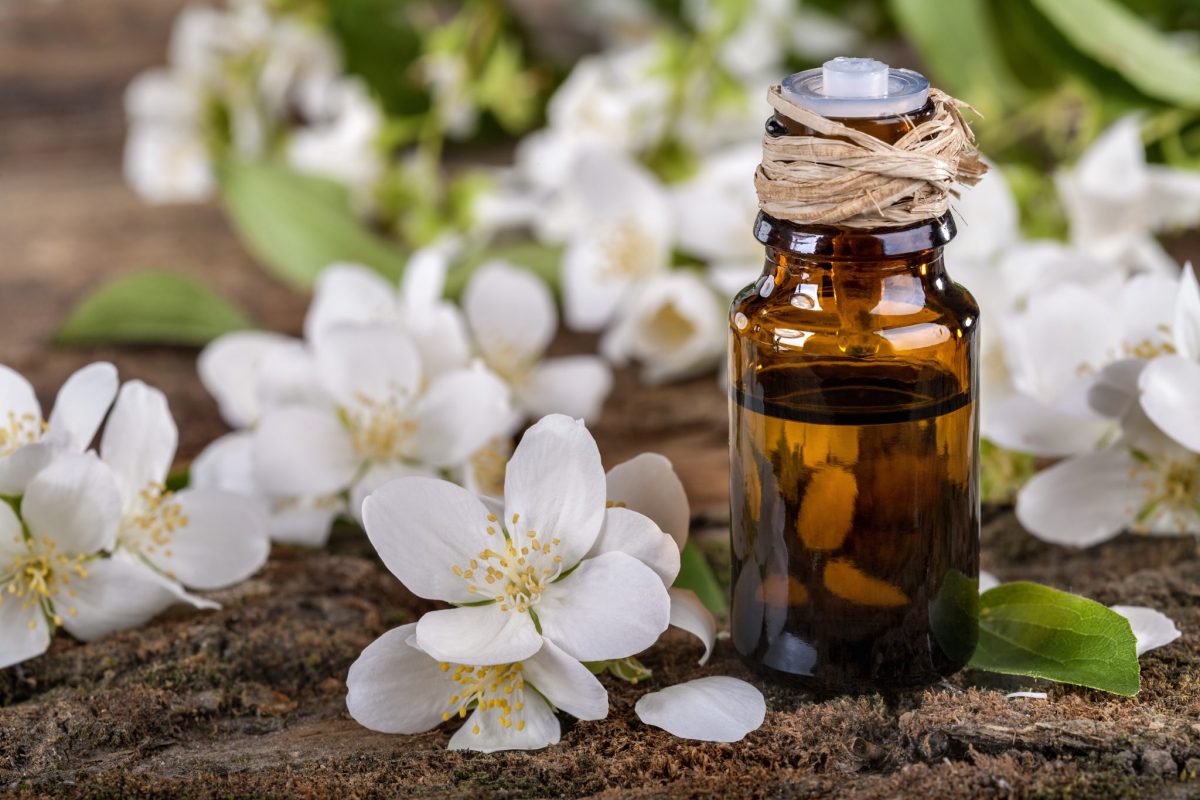
While jasmine is a well-known folk remedy, it’s most widely recognized for its reputed aphrodisiac qualities.
Keep reading to discover more about the possible advantages of jasmine oil and recommended ways to use it.
Jasmine oil benefits and uses
Jasmine oil is a commonly used home remedy thought to offer several wellness benefits. That said, not all of these purported effects have strong scientific validation.
Antidepressant
There is some research indicating that aromatherapy can help reduce symptoms of depression. Aromatherapy combined with massage appeared to be more effective in studies.
An earlier 2010 trial examining jasmine essential oil reported that, compared with a placebo, jasmine oil was linked to greater behavioral arousal. Participants experienced increases in respiration and blood pressure and reported feeling more alert.
The authors suggested the stimulating properties of jasmine oil might help alleviate depression and lift mood. However, that study involved only 40 young adults, and there’s a scarcity of follow-up research confirming these findings.
If you’d like to experiment with jasmine oil for mood support, you can diffuse it or incorporate it into a massage oil.
Antiseptic
Scientists have explored jasmine oil’s antimicrobial activity. One 2018 paper reported jasmine oil exhibited antibacterial effects against E. coli, L. casei, and S. mutans.
When diluted and applied topically, jasmine oil may help combat certain bacteria on the skin.
Aphrodisiac
The sensual fragrance of jasmine has long been associated with aphrodisiac qualities. It’s widely incorporated into perfumes, creams, and skincare items.
Nevertheless, scientific confirmation that jasmine increases sexual desire is scarce. While inhaling jasmine via aromatherapy can enhance mood, it hasn’t been conclusively shown to elevate libido.
Cicatrizant
Jasmine oil might possess cicatrizant properties, meaning it may support wound repair by promoting scar tissue formation.
Research indicates jasmine oil has anti-inflammatory effects that could be beneficial for general skin care and wound healing. However, much of the work examined blends of various oils rather than jasmine oil in isolation (see research).
You can consider applying diluted jasmine oil to minor abrasions like small cuts or scratches, but it should not replace medical antiseptics or physician-recommended treatments.
Decreases menopause symptoms
Essential oils have long been used to ease menopausal complaints such as hot flashes and low mood. Still, evidence specifically linking jasmine oil to meaningful relief of these symptoms is very limited.
Some people find regular aromatherapy massages using consistent essential oil blends may help reduce menopausal discomfort.
Galactagogues
Galactagogues are natural or synthetic agents thought to support lactation.
In some regions, jasmine flowers are a popular folk remedy believed to boost milk production. For example, nursing mothers in parts of South India wear jasmine garlands in their hair because of cultural ties to increased lactation and postponed ovulation.
Some hypothesize that inhaling jasmine may influence brain pathways that affect hormones involved in milk production, but this idea remains unproven. There is currently no robust scientific evidence connecting jasmine to enhanced lactation.
Sedative
Although certain studies suggest jasmine oil can increase alertness and energize, evidence also indicates it may have a calming effect.
An older 2005 study observed that the aroma of jasmine tea at very low concentrations produced a sedative effect on mood and neural activity.
In a small pilot study, people with generalized anxiety disorder who sniffed jasmine essential oil for five minutes daily over 10 days reported feeling calmer and noticed improvements in insomnia and irritability.
How to use jasmine oil
There are several ways to use jasmine and other essential oils. Most essential oils are highly concentrated and should be diluted in a carrier oil prior to topical application.
Always follow the usage directions on the product label. Mix a few drops of jasmine essential oil into an ounce of a carrier oil such as sweet almond oil or gently warmed coconut oil.
Common methods to use jasmine oil include:
- in an aroma diffuser
- inhaling it directly from the bottle
- adding drops to a bowl of hot water to produce fragrant steam
- diluting in a carrier oil and adding to a warm bath
- blending with a carrier oil, like almond oil, for topical use or massage
For hair and scalp care, you may also be interested in jasmine oil for hair and scalp as part of your routine.
Is jasmine oil safe?
Jasmine oil is generally regarded as safe and nonirritating for most people, though allergic reactions are always possible with botanical products.
Essential oils must be diluted in a carrier oil before skin application and are not intended for ingestion.
Always perform a patch test by applying a small amount of diluted oil to an area on your forearm. If no irritation occurs within 24 hours, it is likely safe to use.
Consult your physician before using jasmine oil if you are pregnant, breastfeeding, or have a history of severe allergies.
The bottom line
Jasmine oil is a popular choice in aromatherapy for its pleasing scent and potential effects like relaxation, wound-supportive properties, and aphrodisiac associations.
Although scientific evidence for many of these claims is limited, using jasmine oil in aromatherapy or massage can be soothing and enjoyable.

















Leave a Reply
You must be logged in to post a comment.