Why Does My Ear Tickle?


- Build-up of earwax
- How to avoid earwax buildup
- Removing earwax
- Eustachian tube problems
- Reducing the risk of Eustachian tube dysfunction
- Treating Eustachian tube dysfunction
- An insect in the ear
- Avoiding insects in the ear
- How to remove an insect from your ear
- When to consult a doctor about a ticklish ear
- Itch versus tickle in the ear
- Tingle versus tickle in the ear
- Key points
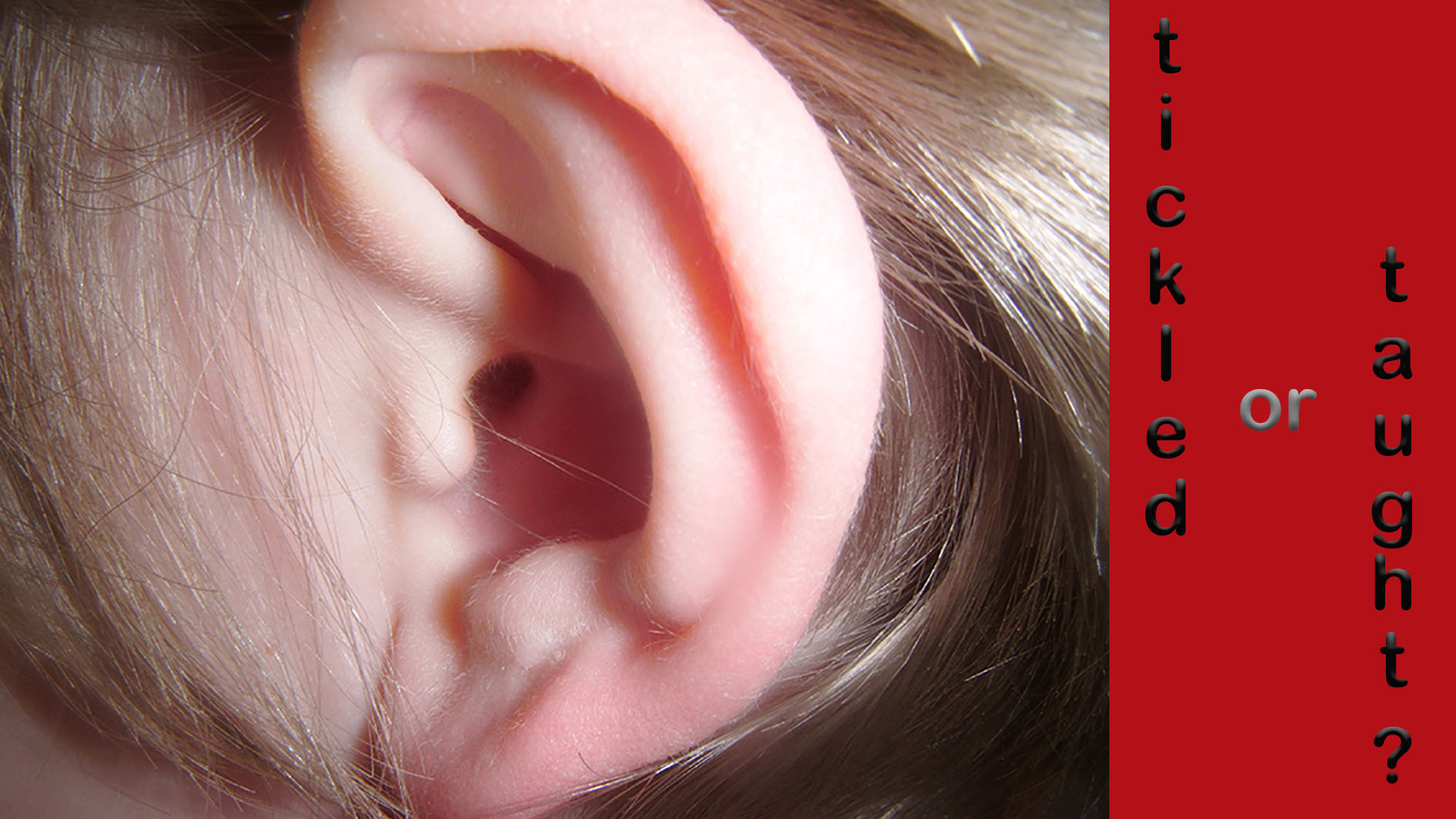
If you’ve ever had a ticklish sensation in your ear, you know how irritating it can be. A brief, fleeting tickle that disappears quickly and doesn’t come back usually isn’t worrisome.
However, a persistent ticklish feeling that wanders or doesn’t subside may point to an issue that needs home care or medical attention.
Read on to find possible reasons for a tickle in your ear and how to handle them.
Build-up of earwax
Earwax (cerumen) plays a useful role in protecting your ears from debris and microbes. It also cleans and lubricates the ear canal.
Despite its protective function, earwax can sometimes accumulate and form a blockage.
Many people notice a ticklish feeling when earwax builds up. Other signs may include:
- itchiness
- a sensation of fullness in the ear
- tinnitus
- diminished hearing
How to avoid earwax buildup
Earwax impaction can occur when people attempt to clean their ears with cotton swabs. Rather than removing wax, swabs often push it deeper into the canal.
To prevent impaction, allow excess wax to fall out naturally. Clean only the outer ear and avoid inserting objects into the canal.
Removing earwax
Wax removal is best handled by a clinician. They may clear earwax by:
- suctioning it away
- irrigating the ear with warm water using a syringe
- using a curved tool called a curet to extract the wax
If earwax accumulation is recurrent, your clinician might suggest medicated ear drops for regular use.
Why ear candling is riskySome people try ear candling to eliminate wax, but research shows it does not work and can cause burns or ear injuries. It is not recommended.
Eustachian tube problems
The Eustachian tube links the throat with the middle ear. When it works properly, it prevents pressure and fluid from building up in the ear.
Eustachian tube dysfunction happens when this tiny channel becomes blocked. Sinus issues, infections, and allergies can all lead to this dysfunction.
A ticklish feeling can be one symptom. Additional symptoms may include:
- fullness in one or both ears
- popping or clicking sensations
- ear pain
- ringing in the ears (tinnitus)
- muffled hearing
- occasionally, balance problems
Reducing the risk of Eustachian tube dysfunction
Infants and young children, smokers, and people with obesity have a higher risk for this condition.
Even if you’re not in a high-risk group, treating colds, sinus infections, and the flu promptly can help prevent an inner ear blockage from developing.
Treating Eustachian tube dysfunction
Relieving nasal congestion can help restore normal Eustachian tube function. Options include:
- saline nasal sprays
- steroid nasal sprays
- using a humidifier, vaporizer, or neti pot
- inhaling steam from a hot shower or bath
- decongestants
- antihistamines
Ways to trigger the swallowing reflex
Anything that encourages swallowing may ease symptoms. Try:
- yawning
- swallowing
- chewing gum
- taking deep breaths through the nose and exhaling through the mouth
- Valsalva maneuver (gently pinch your nostrils shut and blow with your mouth closed)
- sucking on a pacifier
Medical options
Sometimes medical intervention is required to open the Eustachian tube. Your doctor might:
- make a tiny incision in the eardrum and suction fluid from the middle ear
- insert a small tube into the eardrum to allow drainage
- place a balloon-style device into the Eustachian tube via the nose to create a channel for mucus to escape
An insect in the ear
Although rare, an insect can fly or crawl into the ear and remain there, producing a variety of sensations.
If the insect moves, you may sense a tickle. If it latches on, bites, or stings, you might experience itching and pain.
Other possible signs include:
- sensation of fullness in the ear
- bleeding
- discharge
- swelling
- tinnitus
Avoiding insects in the ear
Insects are more likely to enter the ear if you sleep outdoors or have frequent contact with animals.
If you suspect an insect is in your ear, removing it promptly is important. Some insects, like ticks, can transmit disease.
Like any foreign object, an insect can irritate the cranial nerves that send signals to the brain.
Usually the insect will die or exit on its own, but covering your ears is the best prevention if you’re worried about this happening.
How to remove an insect from your ear
Do not try to extract an insect with sharp tools, such as tweezers.
Also avoid inserting objects like Q-tips, which can push the insect deeper toward the eardrum.
Try flushing the ear with warm water using a syringe:
- Tilt your head so the affected ear faces downward
- pull the outer ear upward and backward to straighten the canal
- slowly and gently squirt warm water into the ear with a syringe
- allow the water to drain out
- you can also try warm oil to help kill the insect
- if the insect does not come out, see a doctor
When to consult a doctor about a ticklish ear
Tickling, tingling, itching, and ear pain all merit medical evaluation if they don’t improve with home care.
Children may struggle to describe their symptoms and might have difficulty explaining what they feel.
A clinician can look inside the ear to identify the cause and prescribe treatments or procedures to ease discomfort.
Itch versus tickle in the ear
Itching and tickling are distinct sensations with different causes.
A ticklish sensation is called knismesis. It’s usually triggered by a light tactile stimulus that activates skin nerve endings, such as a feather, a fingertip, or a crawling insect.
Itching is often driven by allergies or medical conditions and is frequently caused by chemical mediators like histamine. It can range from mild to severe and is typically not the result of direct tactile stimulation.
Tingle versus tickle in the ear
Tingling (paresthesia) — the pins-and-needles feeling — is another possible ear sensation.
Unlike tickling, which reflects increased stimulation of nerve endings, tingling can indicate reduced nerve function.
Tingling in the ear may point to a more serious problem, especially if it occurs alongside numbness.
Key points
Tickling, itching, and tingling are common ear sensations.
A ticklish feeling in the ear can be caused by conditions such as Eustachian tube dysfunction, and on rare occasions by an insect inside the ear.
Because children often have trouble describing ear sensations, it’s wise to seek medical care promptly if a child complains of a tickling feeling in their ear.
If a ticklish sensation in your ear does not go away on its own or with simple home remedies, seek medical attention.
For related symptoms you can also read about itchy throat and ears.
Frequently Asked Questions
A ticklish ear can result from earwax buildup, Eustachian tube dysfunction, a light tactile stimulus like a crawling insect, or irritation of nerve endings in the ear canal.
Yes. When earwax accumulates it can create pressure or movement in the canal that feels like a tickle, often accompanied by fullness, reduced hearing, or itchiness.
Although uncommon, an insect in the ear can produce a moving, ticklish feeling. If you suspect an insect, avoid poking the ear and seek care if it doesn’t come out with gentle measures.
For mild cases try swallowing, yawning, chewing gum, steam inhalation, or saline nasal sprays to ease Eustachian tube issues. Do not insert objects into the ear to remove wax or debris.
See a clinician if the tickling persists, worsens, is accompanied by pain, bleeding, discharge, hearing loss, or if a child cannot describe the symptom clearly.
Read Next






Related Posts

Refined vs. Unrefined Coconut Oil: What’s the Difference?
Sep 6, 2026 • 16 min read
Is Polypropylene a Safe Plastic to Use in Your Home?
Sep 10, 2026 • 30 min read
10 Ways to Stretch and Strengthen Your Lats
Sep 15, 2026 • 33 min read
8 Surprising Health Benefits of Cloves
Jul 30, 2026 • 4 min read
Retroperitoneal Inflammation
Sep 12, 2026 • 36 min read