


Essential oils and skin health
When searching for the Best oil for scars on face, many people turn to essential oils and plant-based remedies to support skin repair. Essential oils may help minimize the visible appearance of scars by encouraging regeneration of damaged skin cells. In addition to essential oils, several carrier oils can also enhance overall skin texture and resilience.
Essential oils promote skin health by:
- balancing uneven skin tone
- reducing redness
- easing inflammation
Certain oils also possess wound-healing qualities, which may help limit the formation of excessive scar tissue. You can try different oils — or blends of oils — to determine which option delivers the most noticeable improvement while posing minimal risk when used appropriately. If you are comparing options for post-procedure care, you may also want to explore the Best scar oil after surgery for targeted support.
Essential oils that may reduce the appearance of scars
1. Helichrysum essential oil
Helichrysum essential oil offers anti-inflammatory, antifungal, and antibacterial properties that may support skin healing.
Helichrysum essential oil contains an anti-inflammatory compound known as arzanol, which plays a role in wound repair.
It also has antioxidant properties that may help reduce scar formation by encouraging new cell growth and limiting the buildup of free radicals. This oil is also believed to:
- soothe skin rashes
- combat infections
- stimulate collagen production
Visible improvement may begin after several months of daily, consistent application. Helichrysum essential oil can increase sun sensitivity. Avoid using this oil if you’ve recently undergone surgery or if you have a risk of internal hemorrhaging.
Helichrysum may cost more than other essential oils, so you might consider purchasing a smaller bottle first to evaluate its effectiveness before investing in a larger size. You can purchase it online or at a natural health store.
2. Frankincense essential oil
Frankincense essential oil is known to:
- calm irritated skin
- promote even skin tone
- eliminate bacteria
These qualities make it a valuable option when considering the Best oil for scars on face. Frankincense essential oil:
- may promote the regeneration of new skin cells
- help tighten the skin
- reduce the appearance of scars
The active component in Frankincense, boswellic acid, has demonstrated anti-inflammatory effects.
You may notice improvement after about one month of regular use.
This essential oil may trigger skin irritation or digestive discomfort. Do not use frankincense oil if you are taking blood thinners.
Frankincense is moderately priced and can be purchased online.
3. Geranium essential oil
Geranium oil may help reduce scars by:
- decreasing inflammation
- balancing skin tone
- stimulating new cell growth
Its antiseptic, antimicrobial, and antibacterial wound-healing properties may make scars appear less prominent. In 2013, research suggested that rose geranium oil is helpful in preventing and managing inflammatory skin conditions.
It may require at least one month of consistent use to observe visible changes.
Use geranium oil carefully if you have high blood pressure or are at risk for cardiovascular diseases.
Geranium essential oil is budget-friendly and may be purchased online.
4. Lavender essential oil
Lavender essential oil may help minimize scarring by supporting cell and tissue regeneration. It has antibiotic, antioxidant, and antiseptic properties.
According to a 2016 study, lavender oil shows wound-healing activity and may help restore damaged skin tissue when used as a natural remedy.
Another 2016 study found that lavender essential oil enhances wound healing by boosting collagen production and regenerating tissue, particularly during the early stages of recovery. Topical use helped accelerate wound closure and encouraged contraction of the wound area.
You might see improvement in as little as one week. Lavender is particularly beneficial during the initial phase of scar management.
It may cause skin irritation or allergic reactions in some individuals.
Lavender is moderately priced and available online.
5. Carrot seed essential oil
Carrot seed essential oil has been shown to provide antibacterial and antifungal effects that may assist in scar care. This oil may be particularly helpful for older scars that have been present for some time.
It can take up to a month to notice visible changes. Carrot seed essential oil is affordable and may be purchased online.
6. Cedar wood essential oil
The revitalizing properties of cedar wood oil suggest potential benefits for skin concerns, including scars. It has been shown to decrease inflammation and offer pain-relieving effects.
Cedar wood oil may also play a role in treating acne. Further research is necessary to better understand and confirm these benefits.
Results may appear after about one month of regular use. Cedar wood essential oil may trigger allergic reactions in some users.
This oil is cost-effective and available for purchase online.
7. Hyssop essential oil
Hyssop essential oil features antiseptic, antifungal, and antibacterial properties that help repair damaged skin. Hyssop oil has demonstrated antimicrobial activity. It may assist in:
- healing wounds
- preventing infections
- reducing the visibility of wrinkles and acne scars
Research published in 2011 indicates that the antioxidant activity of hyssop oil may offer medicinal value. Additional research is required to clarify its effectiveness in scar treatment.
Consistent use for several months may be necessary before seeing results. Avoid hyssop oil if you have epilepsy or hypertension. It should not be used in large amounts.
Hyssop is moderately priced and can be bought online.
8. Tea tree oil
Tea tree oil has significant healing potential thanks to its antiviral, antibacterial, and antifungal properties. The antioxidant and antimicrobial activity of tea tree oil may help speed up the wound-healing process.
It also offers antiseptic and anti-inflammatory effects. Its ability to enhance immune response can be beneficial when caring for wounds and facial scars.
In 2015, research found that tea tree oil shows promise for the topical treatment of inflammatory disorders and wound healing. Tea tree oil is available pre-diluted as well as in pure essential oil form.
It may take up to one month of consistent application before results are visible. Use caution if you have allergies or autoimmune conditions, as allergic reactions are possible. Tea tree oil may not be suitable for children.
Tea tree essential oil is relatively inexpensive and can be purchased online.
9. Neroli essential oil
Neroli essential oil is used for various skincare concerns and may help improve the look of scars. Neroli oil has been shown to ease pain and inflammation.
Its antimicrobial and antioxidant properties make it a potent skin-supporting oil. It also demonstrates antifungal activity. More research is necessary to determine how neroli oil can best be used for scar management.
Noticeable changes may occur after one month of steady use. It may cause irritation or allergic skin responses.
Neroli oil is among the more expensive essential oils and can be purchased online.
Other oils that may reduce the appearance of scars
10. Rosehip seed oil
Rosehip seed oil may help to:
- enhance overall skin condition
- reduce the appearance of scars
- minimize wrinkles
- improve acne
In a 2015 study, researchers observed that rosehip seed oil improved post-surgical scar appearance. Participants applying the oil twice daily for 12 weeks experienced significantly reduced discoloration, atrophy, and redness.
You may begin to see improvement after about six weeks. Rosehip oil can sometimes cause irritation or allergic reactions. Avoid use if you have diabetes, kidney stones, or anemia.
Rosehip seed oil is affordable and can be purchased online. It can serve as a carrier oil for essential oils. For body scarring, you may also be interested in the Best oil for scars on legs.
11. Vitamin E oil
Vitamin E oil may help limit scar formation by supporting moisture retention and enhancing collagen production. It also shields the skin from damage caused by free radicals.
Research on vitamin E oil for scars has produced mixed outcomes. Some studies suggest meaningful cosmetic improvement, while others indicate minimal benefit. More investigation is needed.
You may notice changes within a few weeks, though continued use for several months is common. Vitamin E may cause rash, itching, or allergic reactions. It is an economical option that’s available online.
12. Almond oil
Almond oil offers multiple skin benefits and may help reduce scar visibility. It contains vitamin E, which helps hydrate, soften, and nourish dry or damaged skin.
There’s some evidence suggesting almond oil may:
- revitalize the skin
- enhance complexion
- even out skin tone
Its anti-inflammatory effects may also aid the healing process. More research is needed to confirm its effectiveness in scar reduction. It has been found to decrease stretch mark formation and relieve itching.
Visible improvement may appear after about one month. Avoid almond oil if you have diabetes and discontinue use two weeks before scheduled surgery. Almond oil is frequently used as a carrier oil for essential oils.
Almond oil is affordable and available online.
13. Coconut oil
Coconut oil contains fatty acids and micronutrients that may help counteract skin damage, heal skin disorders, and deeply moisturize. It is widely recognized as an effective natural moisturizer.
Its antioxidant and anti-inflammatory properties assist in preventing and improving various skin conditions. Coconut oil may also:
- boost collagen production
- help the skin retain moisture
- soften rough texture
Research published in 2010 demonstrated that topical coconut oil application on wounds in rats positively influenced healing, partly due to its antioxidant activity and impact on collagen.
A 2019 study showed that coconut oil protects skin cells from inflammation in laboratory settings, an important step in understanding its mechanism.
You may observe improvement in as little as 10 days with regular use. Coconut oil can sometimes cause irritation or allergic reactions. It is a cost-effective option that’s available online.
Summary of the different oils
| Oil | Length of use to start seeing results | Additional benefits |
| Rosehip seed oil | 6 weeks | may improve wrinkles and acne |
| Vitamin E oil | 3 or more weeks | may boost collagen production |
| Helichrysum essential oil | 3 or more months | anti-inflammatory, antifungal, and antibacterial properties |
| Frankincense essential oil | 1 month | may improve skin tone and kill bacteria |
| Geranium essential oil | 1 or more months | antibacterial and anti-inflammatory properties |
| Lavender essential oil | 1 week | antibiotic, antioxidant, and antiseptic properties |
| Carrot seed essential oil | 1 month | antibacterial and antifungal properties |
| Cedar wood essential oil | 1 month | anti-inflammatory and analgesic properties; may treat acne |
| Hyssop essential oil | 3 or more months | may help heal wounds, prevent infections, and reduce the appearance of wrinkles and acne scars |
| Coconut oil | 10 days | may soften the skin and reduce inflammation |
| Tea tree essential oil | 1 month | antiviral, antibacterial, and antifungal properties |
| Almond oil | 1 month | contains vitamin E; may soothe and moisturize skin |
| Neroli essential oil | 1 month | may reduce pain and inflammation |
How to use essential oils
Some of the oils listed above are carrier oils and do not require dilution.
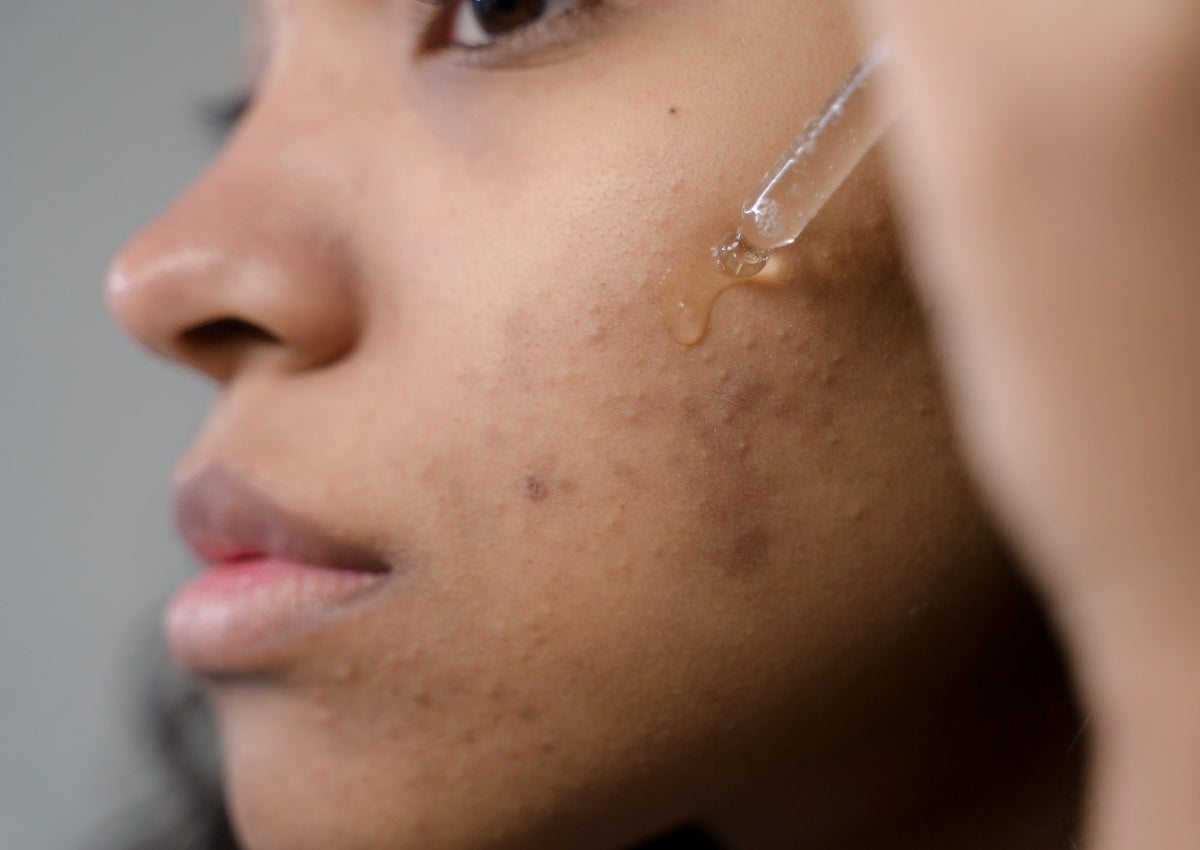
Essential oils should always be diluted before topical application. Applying them undiluted may irritate the skin. Never ingest essential oils.
Essential oils must be mixed with carrier oils. You can experiment with different carrier oils to see which suits your skin type and scent preference. Common carrier oils include:
- grapeseed oil
- avocado oil
- sweet almond oil
- olive oil
- apricot kernel oil
- jojoba oil
- hazelnut oil
Avoid applying oils to:
- an open wound
- a burn
- extremely sensitive skin
Inflamed skin is more prone to adverse reactions. Severe wounds may require medical care. Consult your doctor to determine whether alternative treatment is necessary.
To apply essential oils:
- Dilute a few drops of your selected essential oil in a carrier oil. Use fewer drops if you have sensitive skin.
- Massage the mixture onto the affected area several times daily.
- You do not need to rinse it off. Continue bathing as usual.
- For best results, apply consistently for several months.
- Complete scar maturation may take up to one year.
Tips for buying oil
Choose pure, organic essential oils labeled as 100 percent therapeutic-grade. They should not contain fillers or synthetic additives. Select a reputable brand that is transparent about sourcing and manufacturing practices and can answer your questions.
High-quality oils are less likely to cause adverse reactions and more likely to deliver optimal results.
Essential oils and pregnancy
Always consult your doctor before using essential oils if you are pregnant. Some essential oils should be avoided during pregnancy. This page provides guidance on essential oils considered safe for use while pregnant.
Takeaway
Scars rarely disappear entirely. However, consistent use of essential oils and carrier oils may help make them less noticeable over time.
Avoid expecting immediate or dramatic changes. It can take up to six months to see visible improvement. Larger surgical or traumatic scars may require even longer healing periods.
Try different oils to determine which option works best for your skin. You may find that the aromatic benefits of essential oils also contribute to overall well-being. Always consult your doctor before beginning any new topical treatment regimen.


















Leave a Reply
You must be logged in to post a comment.