

To relieve chapped lips, gently remove flaky skin before applying coconut oil, honey, or other common kitchen remedies.
Chapped lips can occur any time of year. If it’s not cold, dry air causing your lips to crack and peel, it may be sun exposure or irritating cosmetics that are drying them out.
While commercial lip balms can help, there are several natural home treatments you can try for relief.
Below, we’ll explore simple, evidence-backed home remedies that can calm and heal chapped lips.
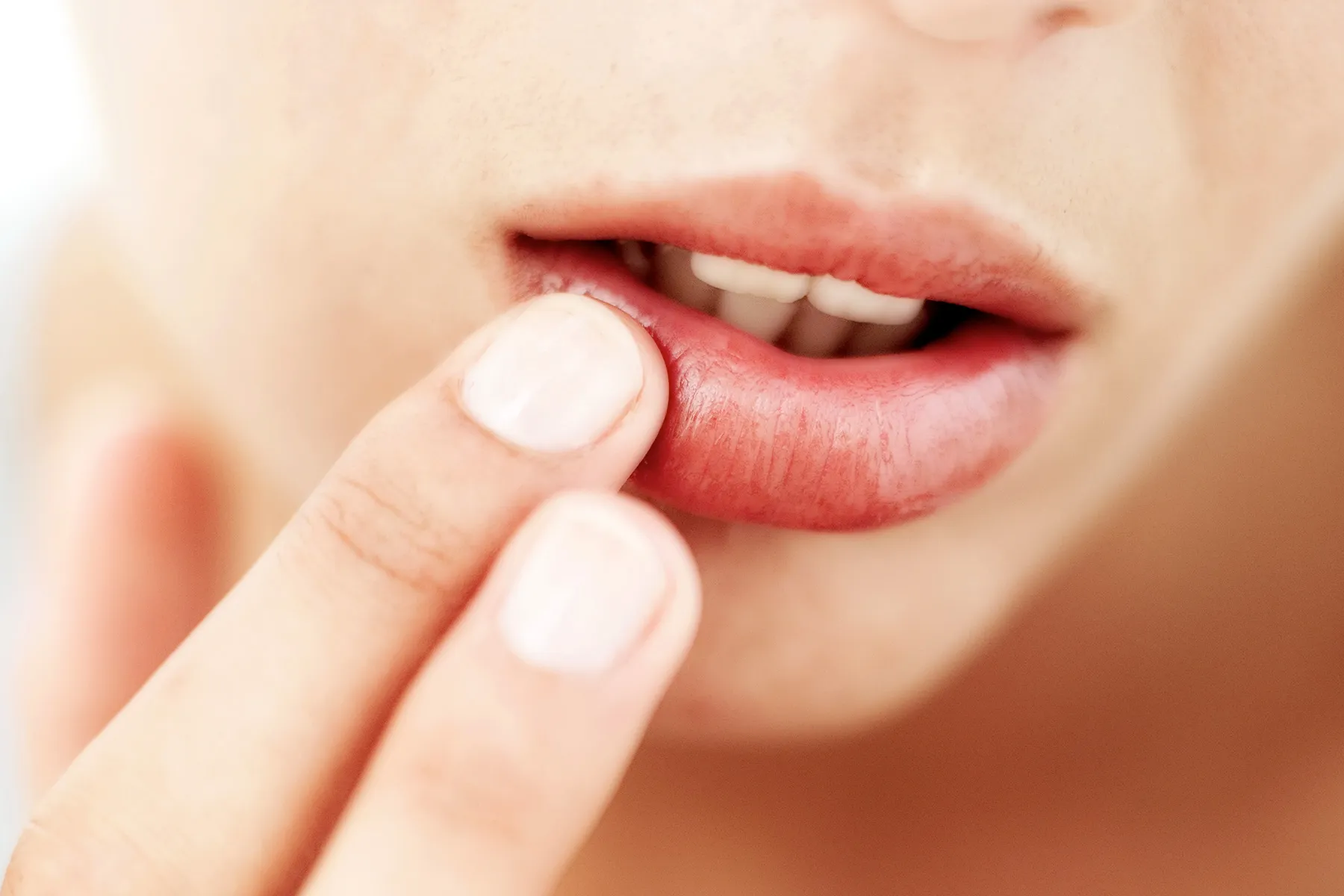
Begin with exfoliation
When lips are dry and cracked, the top layer of skin can lift and flake. Gentle exfoliation removes dead skin cells that can otherwise block moisturizers from reaching the fresh skin underneath.
You can whip up a DIY lip scrub using items from your kitchen. You’ll need:
- 1 tbsp. of a gentle exfoliant, like sugar or sea salt
- 1 tbsp. of an emollient, such as honey or oil
- a small bowl or jar for mixing
- a cotton swab to apply the scrub
- a damp washcloth to remove it
To prepare and use the lip scrub:
- Mix the exfoliant (sugar or salt) with the emollient (oil or honey) in your container.
- Dip a cotton swab into the mixture.
- Gently rub the scrub onto your lips using circular motions and light pressure.
- Rinse or wipe off with a damp washcloth.
After exfoliating, apply one of the home remedies below to soothe, hydrate, and protect your lips.
Coconut oil
Unlike most skin, lips have a weak barrier function, making them more vulnerable to wind, sun, and cold than other areas of the body.
Coconut oil is an emollient that moisturizes the skin and, as shown in a recent study, may help improve skin barrier function.
Coconut oil also offers anti-inflammatory and antibacterial benefits that are useful for chapped lips.
Apply coconut oil to your lips as needed throughout the day. Use a cotton swab or clean finger to gently dab it on.
You can purchase pure, organic coconut oil online or find it at most grocery and health stores.
Aloe vera
Aloe vera is best known for treating sunburns, but its anti-inflammatory and calming properties make it effective for chapped lips as well.
You can buy organic aloe vera gel, or use fresh gel from an aloe plant leaf. Slice a leaf open, scoop out the gel, store it in a container, and apply with your fingers as needed.
Aloe contains enzymes with mild exfoliating action, so limit use to two or three times daily.
Honey
Research shows honey has antimicrobial, anti-inflammatory, and wound-healing qualities, and it has long been used as a natural skin remedy (studies).
Honey helps hydrate lips and shields cracked skin from infection. It also acts as a gentle exfoliant to remove dry skin.
Opt for organic honey, and apply it to your lips with a finger or cotton swab throughout the day.
Although honey is usually safe, people allergic to pollen or bee venom should avoid honey products.
Avocado butter
A review found that avocado butter works well as an emollient and thickening agent in lip balms. It’s non-greasy, absorbs well, and contains beneficial fatty acids and antioxidants like oleic and linoleic acid.
You can buy organic avocado butter or blend your own using ripe avocados in a food processor. Apply it to chapped lips as needed with your fingers or a cotton swab.
Petroleum jelly
The American Academy of Dermatology (AAD) recommends using white petroleum jelly during the day and at night to hydrate and calm dry, cracked lips.
Petroleum jelly locks in moisture longer than many oils and waxes. It’s affordable and widely available online and in pharmacies.
Avoid petroleum jelly on sunburned lips, though—the AAD notes it can trap heat in burned skin.
How to prevent chapped lips
Keeping lips moisturized is one way to avoid chapping. Here are additional tips to prevent dry lips:
- Don’t lick your lips. Saliva evaporates quickly, which leaves lips drier after licking than before.
- Stay hydrated. Drink enough water to keep your lips and body hydrated.
- Use a humidifier. Add moisture to the air at home if indoor air is dry.
- Avoid irritating lip products. Many lip items contain fragrances, dyes, or alcohol that can dry lips. Choose gentle, fragrance-free options.
- Protect your lips. Cold, wind, heat, and sun all contribute to chapping. Use a moisturizing lip balm or cream with SPF before going outside.
- Breathe through your nose. Mouth breathing can dry out your mouth and lips. If you’re frequently congested, discuss sinus or allergy treatments with your doctor.
Bottom line
Lips have minimal natural protection against drying forces, but with prevention and soothing home remedies, you can keep them comfortable and healthy-looking.


















Leave a Reply
You must be logged in to post a comment.