
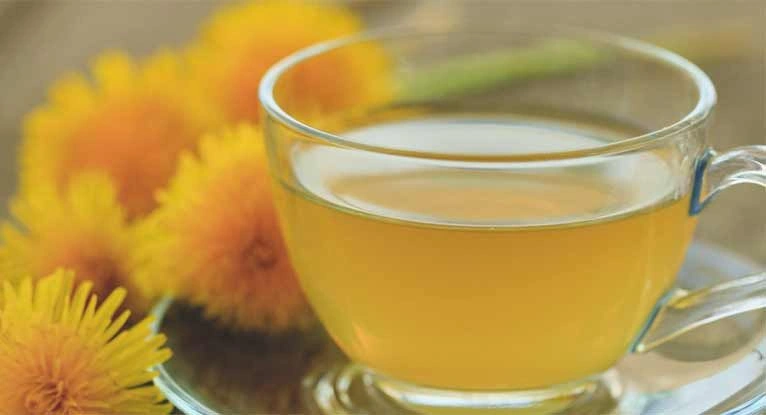
Teas for relieving constipation
Many people enjoy herbal teas for their calming and restorative effects. Certain brews may also assist in easing constipation. Specific components, such as the herbs cascara and senna, possess natural laxative qualities. Herbal infusions can be powerful, however, so you should limit how much and how often you consume them.

Constipation is marked by infrequent bowel movements or difficulty passing stool. It can be an uncomfortable issue and may leave you feeling bloated. The Mayo Clinic defines constipation as having fewer than three bowel movements per week. When stools aren’t moving regularly, they tend to dry out and harden, making them harder to pass.
Why is tea used to treat constipation?
Regularly drinking fluids like water and tea is one of the best strategies to prevent constipation or manage it when it occurs. Better hydration keeps the intestines lubricated and helps retain moisture in stools.
Certain herbs in teas can do more than just help you meet fluid needs. Cascara, for instance, has a long history of use as a laxative. It’s included in some herbal teas and is also available in supplement form.
Senna is another widely used herbal laxative. Like cascara, it appears in remedy teas and supplements. This herb reduces water reabsorption in the colon, allowing more moisture to remain in stools.
Herbal teas containing ingredients like senna or cascara should only be used for short-term relief of constipation.
What causes constipation?
The most common contributors to constipation are:
- a diet low in fiber
- lack of physical activity
- insufficient fluid intake
Occasionally, traveling can change bowel habits. Stress and anxiety may have similar effects.
Pregnancy can bring temporary but uncomfortable constipation. Young children who have learned toilet use may become constipated when they try to withhold bowel movements.
Medical problems
Constipation can also signal a more serious medical issue, such as:
- irritable bowel syndrome and other intestinal disorders
- thyroid dysfunction
- cystic fibrosis
- a mood disorder
- certain neurological conditions, particularly those that affect nerves around the bowel and rectum
Delaying going to the bathroom
Frequently postponing bathroom visits can lead to constipation. This is a common problem for people with hemorrhoids, since passing stool can be painful. Avoiding bowel movements because of discomfort can cause stools to harden further, making subsequent trips to the bathroom even more painful.
Side effects of medication
Many medications can cause constipation as a side effect. These include:
- some opioid pain relievers
- certain antidepressants
- some over-the-counter drugs, such as antihistamines and antacids
Risk factors to consider
Only adults should use teas that contain herbs with laxative effects. For a constipated child, consider increased activity, more fluids, and adding fiber-rich foods to their diet. Some OTC laxatives are formulated with child-specific dosages.
If you are otherwise healthy, trying a commercial product like an herbal tea for occasional constipation is likely safe. Still, be wary of teas with unfamiliar ingredients or claims that sound too good to be true.
The U.S. Food and Drug Administration does not regulate teas marketed for constipation relief, so you can’t be entirely sure what is in them. It’s often unclear whether a product has undergone reliable testing for safety and effectiveness.
If you are pregnant, avoid certain herbal products because of potential risks. For example, senna-containing teas may increase the risk of diarrhea and dehydration during pregnancy. Speak with your healthcare provider before using any herbal or OTC remedy.
Which teas do people use to treat constipation?
Herbal teas may be blends of multiple herbs or mixes of herbs and tea leaves. Always review the ingredient list so you know what you’re consuming.

The following teas are most commonly used to ease constipation:
- Senna tea works as a stimulant laxative by encouraging intestinal contractions that propel stool forward. Senna tea can taste bitter, so many add honey or another sweetener to improve flavor.
- Some individuals use dandelion tea to reduce water retention, and it may also have a mild laxative action.
- Cascara tea can produce a potent laxative response. Do not exceed the suggested amount. Cascara is available in both teas and laxative capsules.
- Peppermint tea may aid in treating and preventing constipation; peppermint is often recommended for digestive comfort.
- Green tea appears to support digestive health and has been used to address nausea, diarrhea, and constipation.
- Hot or iced black tea may offer a mild laxative effect that can help ward off constipation and is generally safe for daily consumption. Adding honey or molasses might enhance its stool-softening properties.
How much tea should you drink?
Many laxative teas include directions recommending one cup taken just before bed. Read the label and follow the instructions carefully. Herbal laxative teas are available in supermarkets, health stores, and online.
Most products advise no more than one cup per day. If constipation continues for several days, a stronger laxative may be required. See your doctor if constipation persists for a week or longer.
What are the side effects?
Teas marketed specifically for constipation relief are intended for short-term use. Prolonged use of these products can be risky. Your bowels may become reliant on them, and over time you might find it harder to have a bowel movement without assistance. Additionally, constipation can be a symptom of an underlying medical issue.
Discuss chronic constipation with your doctor. They may recommend certain laxatives suitable for more regular use. Use any laxative as sparingly as possible.
Investigate potential long-term effects of herbal products before taking them regularly. For example, the National Institute of Diabetes and Digestive and Kidney Diseases notes that extended use of cascara and senna has been linked to liver damage.
Herbal teas can also interact with medications you take. If you’re on a prescription drug, consult your doctor or pharmacist before using a laxative tea.
What is the outlook?
If your constipation stems from a low-fiber diet or inadequate fluid intake, a single cup of laxative tea may help normalize your bowel movements. However, constipation has many causes, and if it’s due to an underlying medical condition, stronger treatment may be necessary.
Support these teas and other remedies by increasing physical activity and following a fiber-rich diet.
How to prevent future constipation
Preventing constipation is the best approach to keep it from affecting your quality of life. If an underlying medical condition causes your constipation, prevention measures may be less effective. For generally healthy individuals, lifestyle changes can help maintain regularity.
Diet
Consuming a high-fiber diet can help stave off constipation. High-fiber foods include leafy greens, fruits like berries, and whole grains. These items—often called “roughage”—support digestion. Try to make at least half your plate fruits and vegetables at every meal, and ensure that at least half of the grains you eat are whole grain. These foods benefit digestion and overall health.
Staying well-hydrated is also vital for healthy digestion. Every bodily system needs water to function properly.
Exercise
Aim for about 150 minutes of exercise per week, which you can break into five 30-minute sessions. Various activities can help prevent constipation, including:
- walking
- jogging
- swimming
- aerobic workouts
Increasing physical activity also supports cardiovascular health and can boost your energy and overall sense of well-being.























Leave a Reply
You must be logged in to post a comment.