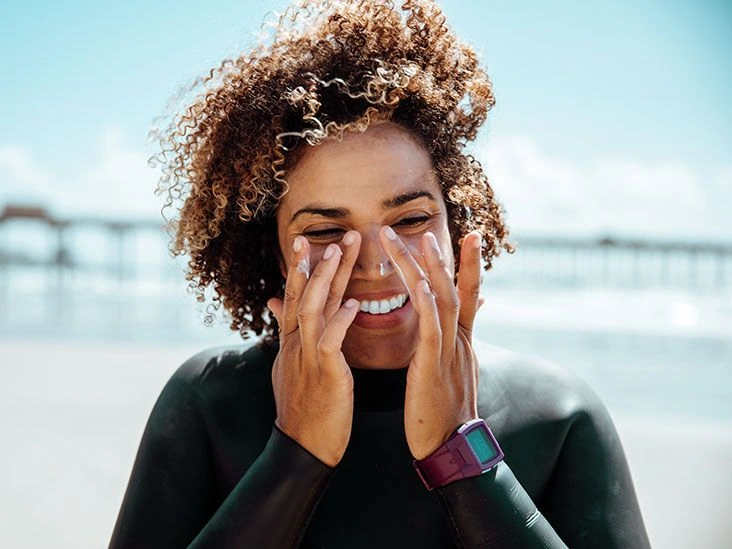
Dermatology 101
Dermatology 101 offers essential information on skin health, common conditions, treatments, and skincare routines, helping individuals understand and care for their skin effectively.

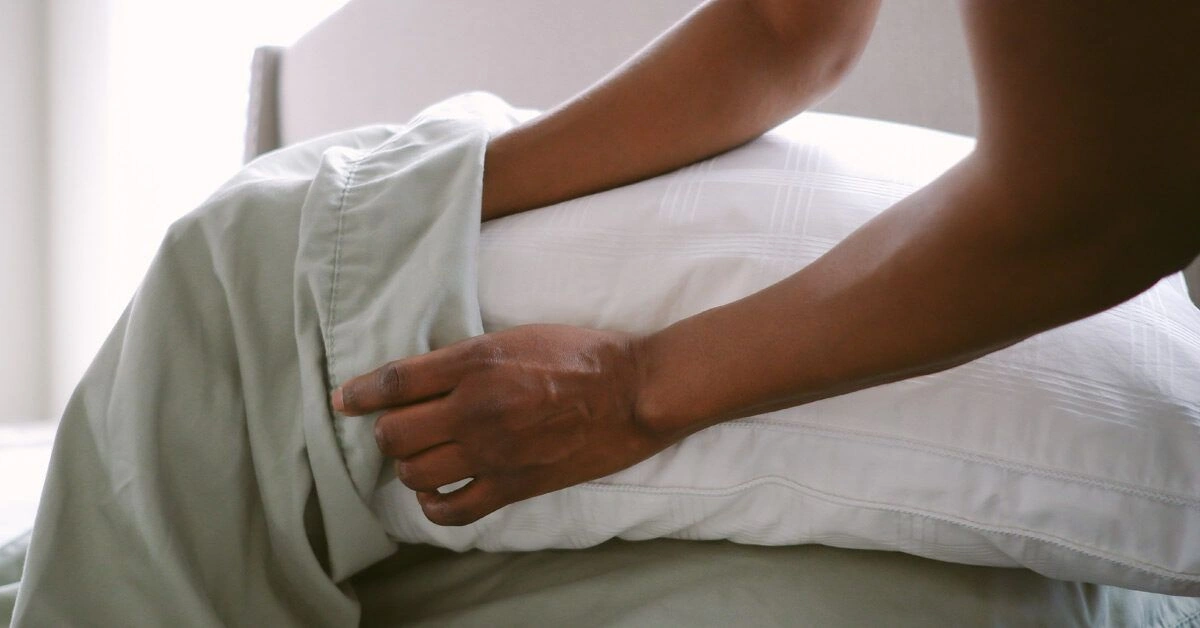
How to Get Rid of Bedbugs at Home: DIY Guide and When to Get Professional Help
Bedbugs are notoriously difficult to eliminate, and finding the Strongest bed Bug Killer often requires combining several proven strategies. After identifying and isolating all affected areas, you can use a blend of chemical and non-chemical methods to fully eradicate these persistent pests. A bedbug (Cimex species) infestation can be challenging to manage independently and may take several weeks to months to resolve completely. The Centers for Disease Control and Prevention…
Can Scabies Be Treated with Over-the-Counter Products?
Overview Scabies is a contagious parasitic skin condition caused by microscopic mites known as Sarcoptes scabiei. These mites burrow just beneath the outer layer of your skin, where they lay eggs and trigger an intensely itchy rash. The infection spreads very easily through direct, prolonged skin-to-skin contact. You may also contract scabies by sharing clothing, towels, or bedding with someone who is infested. The rash associated with scabies is extremely…
Tretinoin Uses and Effects
Tretinoin is a medication commonly used to treat acne and skin damaged by sun exposure. While it won’t eliminate deep wrinkles, it can improve the look of surface lines, fine wrinkles, and hyperpigmentation. Tretinoin is the generic term for a synthetic form of vitamin A. It’s marketed under various brand names. Retin-A is one such brand and should not be confused with retinol. Below we’ll explore why a clinician may…

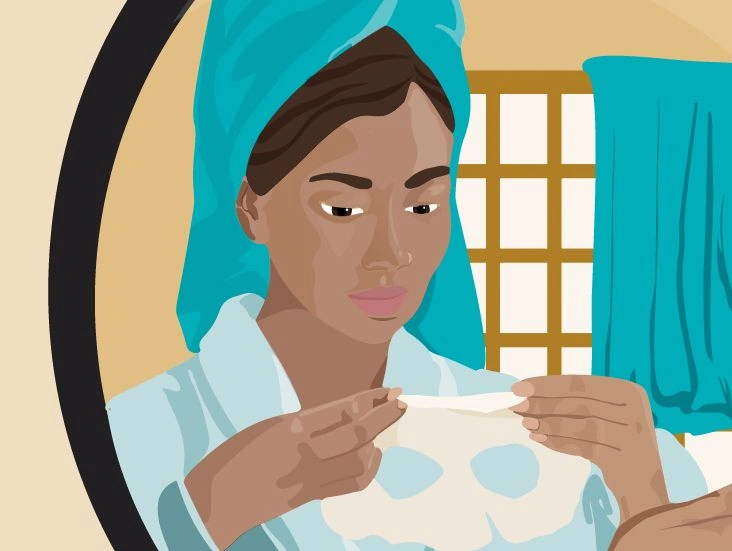
7 Ways to Manage an Oily or Acne-Prone T-Zone
(Illustration by Wenzdai Figueroa) Your skin contains thousands of sebaceous glands. These glands produce sebum, an oily substance that helps keep your skin moisturized and protected from environmental damage. However, when sebaceous glands become overactive, they can generate excessive oil. This overproduction may leave your complexion looking shiny and can raise your likelihood of developing acne. If you notice that your T-zone tends to look greasy or break out more…
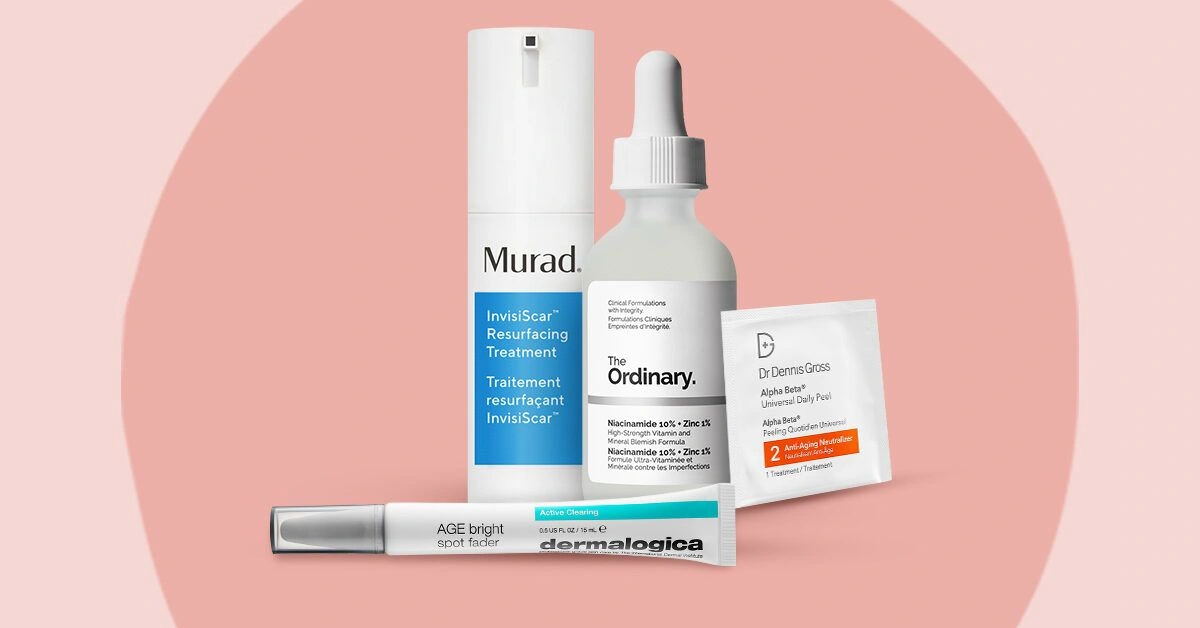
The 15 Best Products to Get Rid of Acne Scars, According to Dermatologists
(Product Review, Clothing, Gym, Apparel, Clothing, Footwear, Shoe) If you’ve been researching Can you use body sunscreen on your face for acne scars while trying to improve uneven skin tone, you’re likely also looking for proven products that help fade post-acne marks. Treating acne scars often requires a combination of targeted ingredients, sun protection, and patience. For more detailed guidance on sunscreen use for breakout-prone skin, see Can you use…
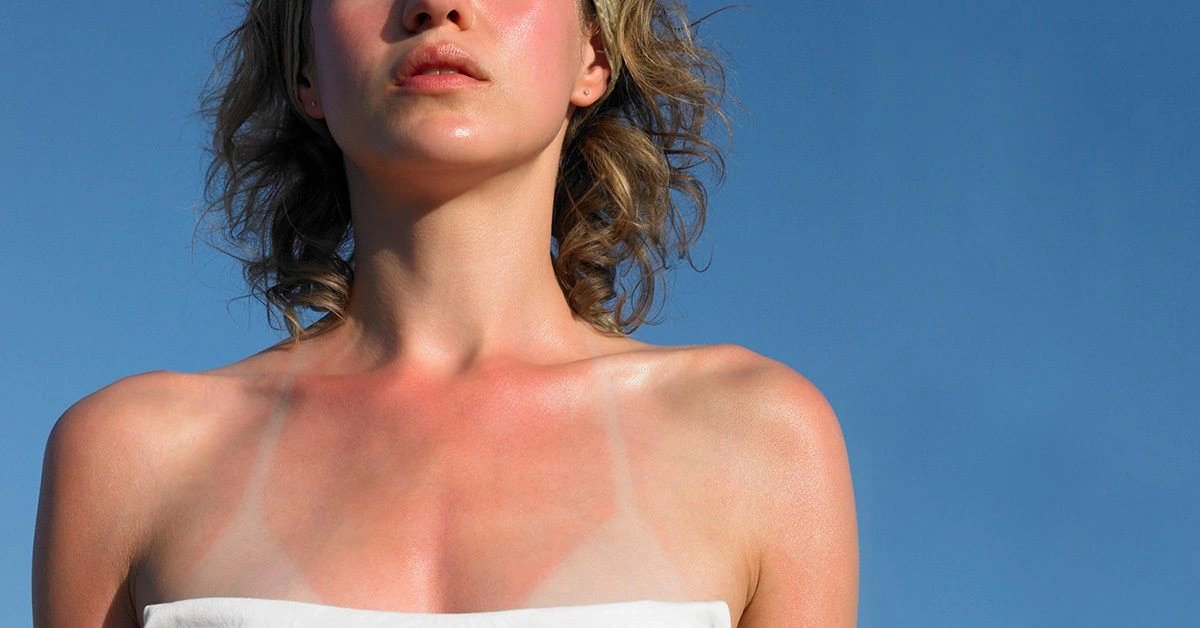
7 Body Parts People Always Miss with Sunscreen
If you’re getting ready to spend time outdoors, make sure you’re not overlooking sunscreen on these seven commonly forgotten areas — including your lips, the tops of your hands, and the back of your neck. Many people wonder, Can I use face sunscreen on my body to simplify their routine? While that can be convenient in certain situations, proper coverage of all exposed skin is what truly helps prevent sunburn…

Do You Really Need Sunscreen Every Day?
Spoiler: Yes, you can. Below, we break down common misconceptions, answer everyday questions, and explain why daily sun protection remains essential for healthy skin. (Cavan Images/Offset Images) When temperatures drop and the sun seems hidden behind clouds, you might wonder whether sunscreen is still necessary. Is it really important on overcast or cooler days, or when you plan to be outside only briefly? If you’ve ever asked, Can you use…
What Causes Platysmal Banding in the Neck, and How to Treat It
Platysmal bands are two vertical ribbons of muscle that descend along each side of the neck. They occur from contractions of the platysma, the most superficial muscular layer in the face and neck. Although they don’t present any medical danger, many people view them as an aesthetic issue. They can give the impression of loose skin, contributing to a double chin, neck furrows, and the colloquial “turkey neck.” There are…
What Causes White Spots on Nails?
Key takeaways White marks on nails most commonly stem from a nail injury known as leukonychia. Other possible triggers include allergic reactions, fungal infection, nutrient shortfalls, or heavy metal exposure. Treatment depends on the root cause and may involve medications, avoiding irritants, or simply allowing the nails time to recover. You might notice white flecks or patches on your nails at some point. In most cases, this discoloration isn’t a…
There Are 20 Different Penis Types — and They’re All Important
Penises vary widely in shape, size, and overall appearance, and you can enjoy fulfilling, satisfying sex — solo or with a partner — regardless of how you’re built. Exploring a range of positions can help you discover what feels best for both of you. Just like hot glass looks the same as cold glass., appearances alone don’t tell the full story — understanding function and technique makes all the difference.…