Dermatology 101
Dermatology 101 offers essential information on skin health, common conditions, treatments, and skincare routines, helping individuals understand and care for their skin effectively.

What Are Mamelons
In dentistry, a mamelon is a small rounded projection along the cutting edge of a tooth. It’s composed of enamel, the same hard outer layer that covers the rest of the tooth. Mamelons show up on certain newly erupted teeth (teeth that have just come through the gumline). Each affected tooth typically has three mamelons. Together they produce a scalloped, wavy margin. The word mamelon comes from French for “nipple,”…
How to Treat and Prevent Blackheads on the Inner Thighs
A blackhead develops when the opening of a hair follicle (pore) becomes clogged with a mix of dead skin cells and oil. This obstruction creates a small raised lesion called a comedo. When the comedo is exposed to air, the trapped material oxidizes, darkens, and becomes a blackhead. If the comedo remains closed, it presents as a whitehead. Blackheads most commonly appear on the face, but they can also show…
The Differences Between Eczema and Skin Cancer
Depending on your symptoms, it can be simple to confuse eczema with a form of skin cancer ― or the other way around. The most reliable way to determine which you have is to consult your physician. Each year, tens of millions of Americans cope with symptoms from skin disorders. According to the American Academy of Dermatology Association (AAD), skin diseases affected 84.5 million people in the U.S. in 2016…
Is Aquaphor Recommended After Getting a Tattoo?
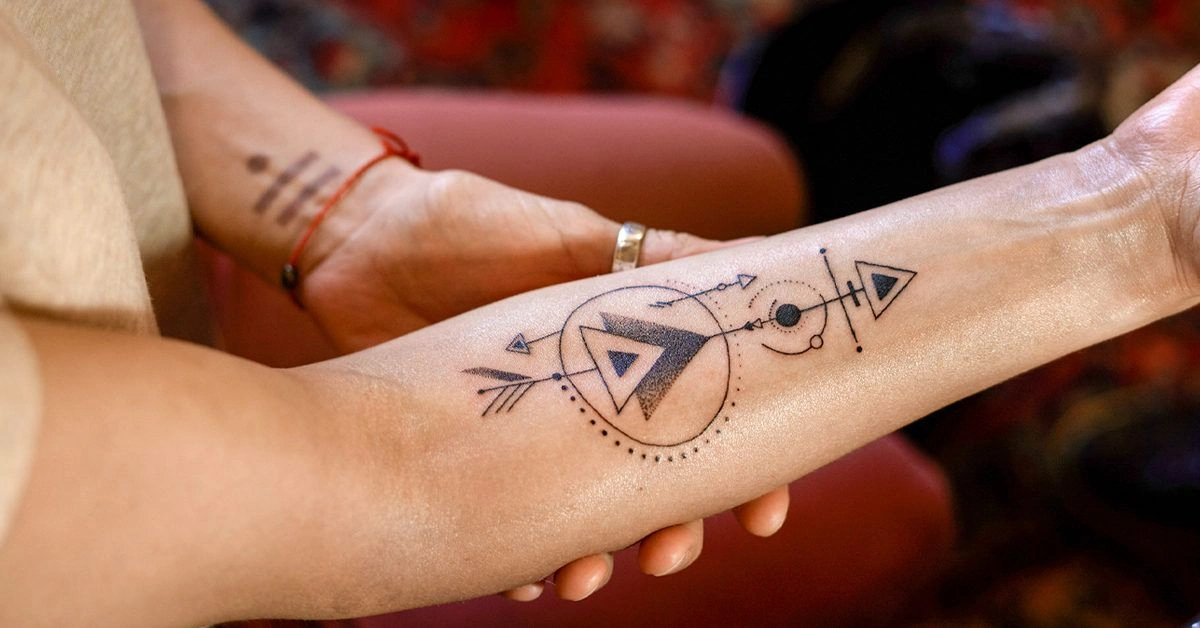
Aquaphor is an ointment often used on fresh tattoos to prevent them from becoming overly dry, though eventually you’ll want to move to a lotion or cream. Many people rely on Aquaphor as a go-to product for dry or chapped skin and lips. Its moisturizing effect comes largely from petrolatum, lanolin, and glycerin. These components work in concert to attract moisture from the environment into your skin and lock it…
Natural Remedies for Impetigo You Can Do at Home
Impetigo is a bacterial skin ailment that most frequently affects toddlers and young children. That said, individuals of any age can contract impetigo through direct contact with an infected person or contaminated objects. Impetigo is caused by the bacteria Staphylococcus aureus and Streptococcus pyogenes. The infection produces a rash characterized by raised, swollen, itchy, and oozing red lesions. These sores commonly appear around the mouth and nose, though they can…

Milium Cysts in Adults and Babies
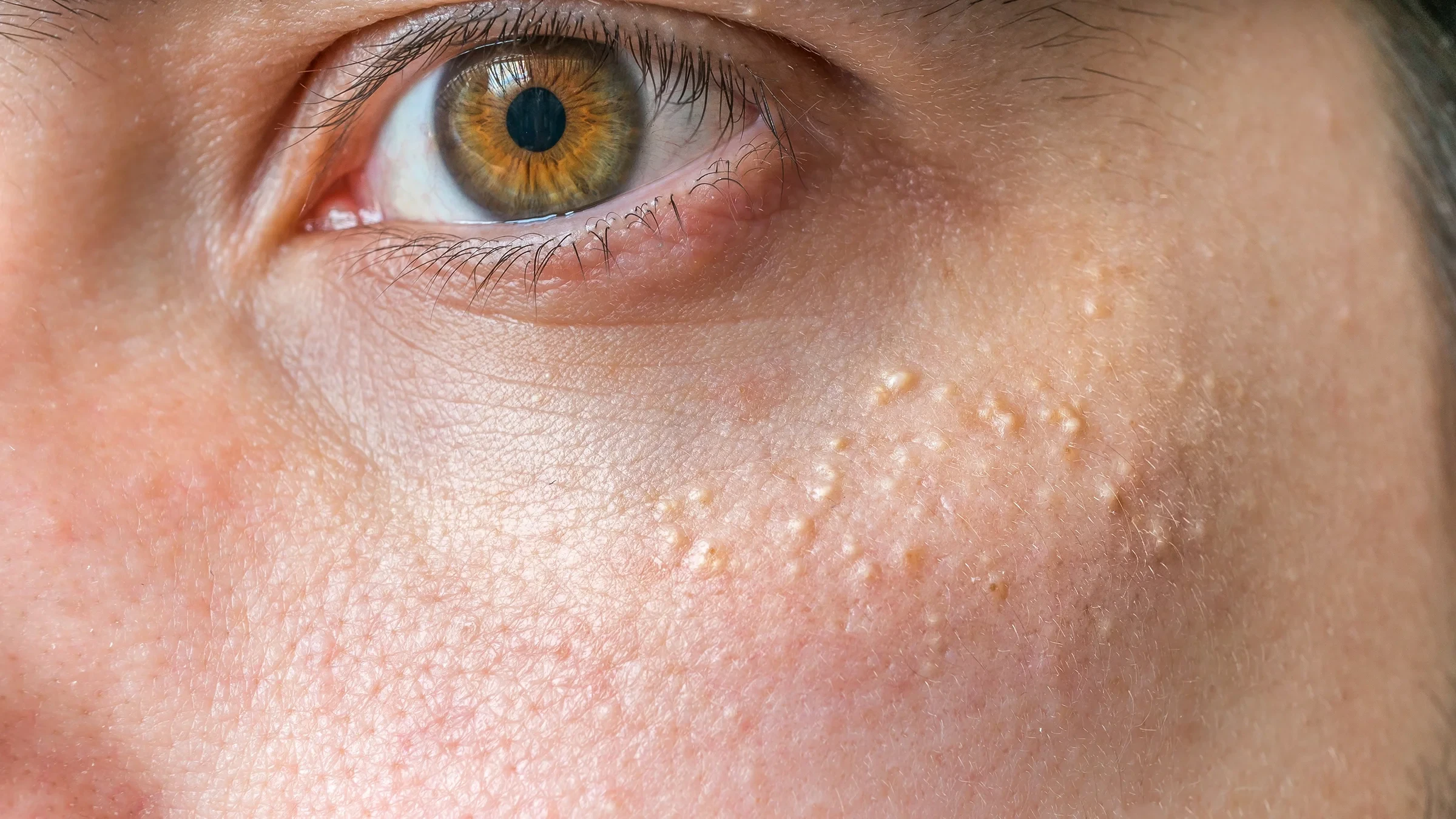
Milia form when the structural protein keratin becomes trapped beneath the skin’s surface. Certain skin conditions and topical products can contribute to their development. (img by Cureskin) What is a milium cyst? A milium cyst is a tiny, white-colored bump most commonly seen on the nose and cheeks. These lesions often appear in clusters, and multiple cysts are referred to as milia. Milia arise when keratin is retained under the…
About Wrist Flexion and Exercises to Help You Improve It
What is normal wrist flexion? Wrist flexion describes bending your hand downward at the wrist so the palm turns toward the forearm. It’s a component of the wrist’s usual range of motion. When wrist flexion is within normal limits, the muscles, bones, and tendons that form the wrist are functioning properly. Flexion is the counterpart of extension, which involves moving the hand backward so the palm faces upward. Extension is…
Is It a Rash or Is It Herpes?
Herpes lesions often look wet and may form a crust once they rupture. Other types of rashes, such as those from irritants or tinea cruris (jock itch), usually present differently. (img by Shutterstock) When someone develops an inflamed, painful skin eruption, they may worry it’s caused by herpes. To help distinguish between them, this article compares the visual signs and symptoms of herpes with those of several frequent skin rashes.…
Treatment for Atrophic Scars
What are atrophic scars? An atrophic scar is a sunken mark that heals beneath the normal skin layer. Atrophic scars form when the skin cannot regenerate tissue, resulting in uneven scarring patterns. These scars often arise from severe acne or varicella. They can also develop after mole removal. The indentation can take on one of three scar types: Ice pick scars. These are small, narrow marks resembling deep pores. Boxcar…
What’s the Difference Between a Wart and a Corn?
If you notice a skin bump or growth on your foot, you may be wondering whether it’s a wart or a corn. Both can occur on the feet and, because they sometimes look alike, even clinicians can find them hard to distinguish. Despite these resemblances, warts and corns are distinct conditions. Below is a guide to help you distinguish them, plus advice on treatment and prevention for each. Wart vs.…