

What are marionette lines?
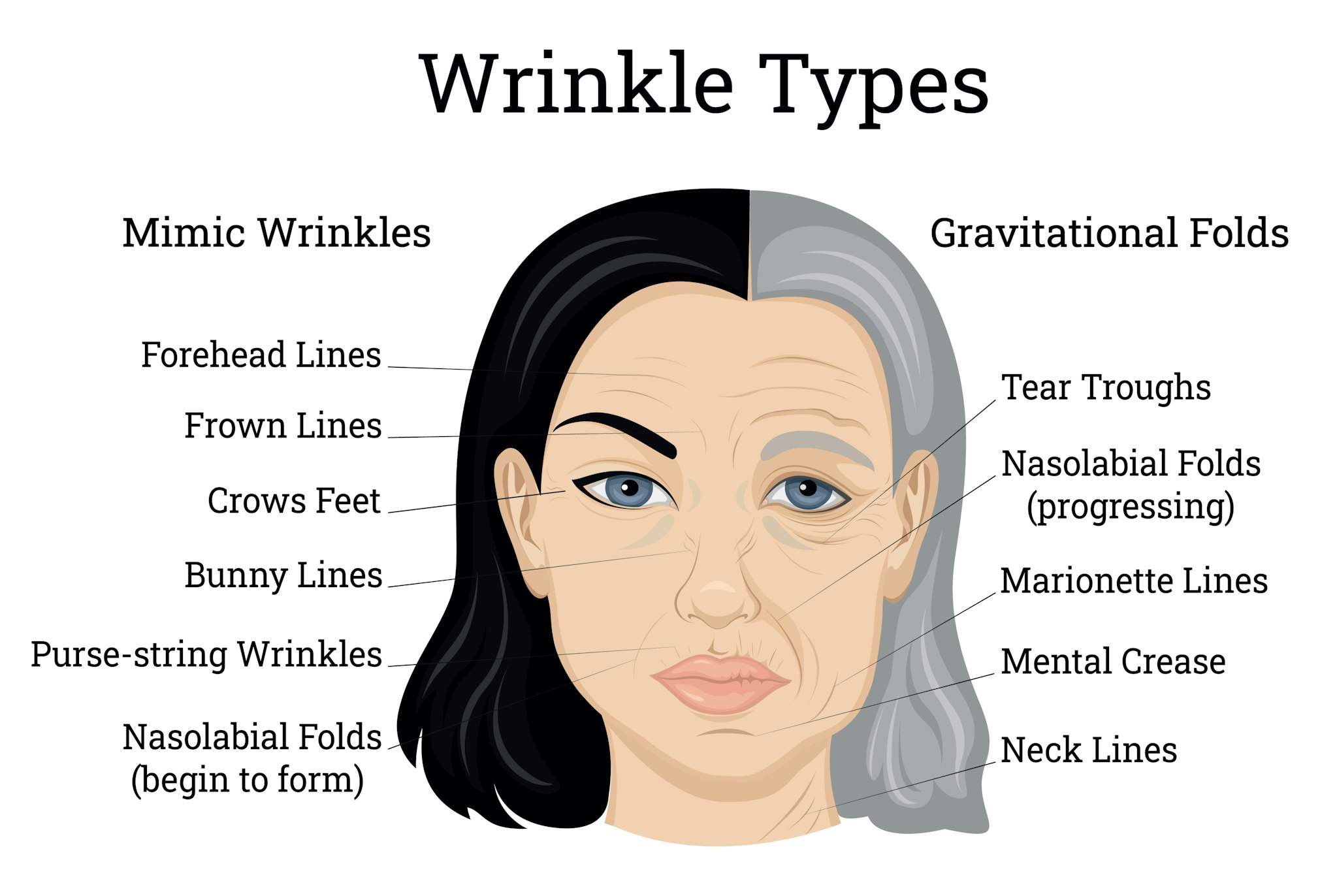
Marionette lines are facial creases that appear as part of the natural aging process. These grooves travel downward from the corners of the mouth toward the chin and can contribute to drooping in the lower face.
The term “marionette lines” comes from string puppets, which often have movable jaws that give the appearance of a split mouth. The skin around the mouth is especially susceptible to creasing because it’s thinner than skin in many other facial areas.
These wrinkles often become more evident by your 40s, although some people begin noticing them in their 20s or 30s. If you’re interested in reducing their visibility, read on to learn about what causes them and what treatment options exist.
Causes of marionette lines
Like other facial wrinkles, marionette lines result largely from the gradual decline of collagen that comes with aging. Collagen is a protein that helps give skin its plumpness. Gravity also contributes to sagging around the chin, which can make these lines more pronounced.
Beginning as early as your 20s, skin loses elasticity and moisture, heightening the chance of fine lines. Chronic sun exposure, stress, and poor dietary habits can hasten the breakdown of collagen and elastin, promoting wrinkle formation.
Although there are common reasons for wrinkles in general, different people develop different patterns. The precise reason some individuals develop marionette lines while others don’t isn’t fully understood, but heredity is likely a factor.
How to get rid of marionette lines
Although marionette lines are a natural sign of aging, their appearance can often be reduced temporarily. Aside from surgery, no treatment is known to permanently erase wrinkles. However, certain procedures like injectables and fillers can provide longer-lasting improvement than topical methods.
Because cosmetic procedures for wrinkles are elective, they typically aren’t covered by health insurance.
Surgery for marionette lines
Surgery is the only approach that can offer more lasting correction. For deeper or more significant lines, a plastic surgeon may suggest a rhytidectomy (facelift). During this operation, incisions are used to remove or reposition fat, and the deeper tissues are lifted to tighten the face.
Facelift surgery is major, so it’s usually considered after less invasive treatments haven’t produced the desired effect. To target marionette lines specifically, a surgeon may propose a partial rhytidectomy (mini facelift).
Because the procedure is substantial, expect to take about 1 to 2 weeks off work to recuperate. Significant weight changes and heavy sun exposure can diminish the benefits of surgery, so discuss healthy habits with your surgeon beforehand. See the prevention tips below for guidance.
Laser resurfacing
Laser resurfacing is another invasive option that doesn’t require the same incisions as a facelift. This method removes the upper layers of skin using concentrated light energy.
While laser resurfacing can be effective, it carries risks such as scarring and pigmentation changes. The outcomes are durable but not permanent, and follow-up treatments are commonly needed over time.
Botox for marionette lines
Botulinum toxin type A (Botox) injections are widely used to soften facial lines around the mouth and eyes. They work by relaxing the muscles under the treated area, which can make the overlying skin appear smoother.
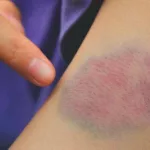
Common side effects include minor bruising or irritation where the injection was given. To keep results, Botox must be repeated about every 3 to 4 months. This approach is most effective for those in the early stages of marionette line development.
Dermal fillers
Dermal fillers are temporary injections that can also address early marionette lines. Unlike Botox, fillers don’t relax muscles; they add volume using substances such as hyaluronic acid or poly-L-lactic acid to emulate the effects of collagen.
Hyaluronic acid fillers produce immediate improvement, while poly-L-lactic acid works gradually by stimulating the body to produce more collagen over several months.
Fillers can help lift areas affected by marionette lines, but overuse can worsen sagging or create an unnatural look, especially when injected into the cheeks.

Chemical peels
Chemical peels, performed by aestheticians or dermatologists, remove the outer skin layer (and sometimes parts of the middle layer) depending on the peel’s strength. This prompts new skin growth, reducing fine lines and age spots while producing stronger skin cells.
Tell your provider if you’re using retinoids or acids before a peel, as these can make skin too sensitive for the treatment. Maintenance peels are usually needed monthly to sustain results.
Microneedling
Microneedling, also called collagen induction therapy, creates tiny micro-injuries in the skin to stimulate regeneration. A derma roller or microneedling pen with fine needles is used to treat the targeted area.
For deep marionette lines, microneedling can encourage collagen production that helps fill in the creases. Multiple sessions are often necessary to achieve desired results.
Retinoids
Retinoids are vitamin A derivatives used to treat wrinkles, acne, and sun damage. Over-the-counter retinol is common, while stronger prescription retinoids are also available.
Retinoids are not recommended during pregnancy and can increase sun sensitivity.
For marionette lines, retinoids may work by penetrating under the epidermis to boost collagen. Because of sensitivity concerns, they’re usually not applied directly on the lips but may be used around the mouth.
Hyaluronic acid
Hyaluronic acid is a naturally occurring compound in skin that declines with age. It’s included in various fillers, serums, and skincare products and is used to hydrate and smooth the skin where wrinkles appear.
Topical treatment
If you aren’t already using an anti-aging serum, consider adding one to your routine. Starting serums early in the process of wrinkle formation is ideal for prevention and maintenance.
Best serum for marionette lines
Serums for marionette lines are often most effective when they combine several of the following ingredients:
- antioxidants like vitamins C and E to neutralize free radicals that accelerate skin aging
- vitamin A derivatives such as retinoids
- hyaluronic acid
- niacinamide (vitamin B3), which may boost collagen and enhance elasticity
- peptides, which are proteins that can firm and support skin structure
How to hide marionette lines with makeup
If you prefer a nonmedical approach, makeup can help conceal wrinkles. Try this sequence:
- Start by applying your foundation.
- Follow with a cream concealer after the foundation.
- Lightly tap the concealer onto the skin using your ring finger or a concealer brush until it’s set. Avoid rubbing it in.
- Finish by dusting on setting powder with a large brush.
Emphasizing eye makeup can draw attention away from the lower face. And remember: wrinkles are normal and many people view them as part of a person’s unique appearance.
Preventing marionette lines and other wrinkles
Although you can’t completely stop skin aging, certain habits may slow the formation of marionette lines. Consider these health and lifestyle strategies.
Daily skin care
Regular skin care is essential for maintaining results. Cleanse your face twice daily, remove makeup before sleep, and use an anti-aging serum along with a moisturizer to preserve hydration.
Weight management
Large weight swings can promote sagging skin, including beneath the jawline, which can accentuate marionette lines. If weight loss is necessary, aim to lose weight gradually and consult a doctor to maintain it safely.
Reduce sun exposure
Prolonged unprotected sun exposure damages both the epidermis and dermis, increasing the likelihood of fine lines, wrinkles, and sagging. Protect your skin with daily SPF 30 sunscreen and wear hats to shade your face.
Avoid peak sun hours in late morning to early afternoon when UV intensity is highest.
Adopt a skin-friendly diet
Staying well-hydrated helps skin appearance, but eating nutrient-dense foods also supports skin health long-term. Anti-inflammatory choices like colorful fruits and vegetables, fatty fish, and whole grains can be particularly helpful.
Other lifestyle considerations
Additional habits that may influence marionette lines and other facial wrinkles include:
- alcohol intake
- excessive caffeine
- insufficient water consumption
- smoking
- chronic stress
- poor sleep
Takeaway
Marionette lines are a common feature of aging skin, influenced by genetics, lifestyle, and overall health. While they can’t be completely prevented, there are treatments and care strategies that can lessen their appearance. If marionette lines concern you, consult a dermatologist to discuss suitable treatments and a long-term skincare plan.















Leave a Reply
You must be logged in to post a comment.