

Your selection of protein powder may hinge on whether you prefer an animal-derived whey powder or a plant-derived alternative.
Protein powders rank among the most widely used nutrition supplements available today.
To meet varied diets and lifestyles, many brands produce both whey protein — sourced from cow’s milk — and plant-based varieties.
With numerous protein powders on the market, you might ask if one type outperforms the other and which fits your needs best.
This piece contrasts plant-based and whey protein powders to help you choose the most suitable option for you.

Comparison chart
| Whey protein powder | Plant-based protein powder | |
| Lactose-free | no | yes |
| Vegan-friendly | no | yes |
| Complete protein | yes | no (except soy or specific mixes) |
| Provides 20–30 grams of protein per scoop | yes | sometimes |
| Helps build muscle | yes | yes |
| Supports weight loss | yes | yes |
| Cost | depends on brand | depends on brand |
Whey vs. plant-based protein powders compared
There are several parallels and differences between plant-based and whey protein powders.
How they’re made
Most whey powders are extracted from whey, the milky liquid left over from cheese production. After collection, carbs, fats, water, and other components are removed, and the remaining protein is spray-dried into a powder.
Because whey originates from cow’s milk, it contains the milk sugar lactose. Due to processing, whey protein isolate generally has less lactose than whey protein concentrate.
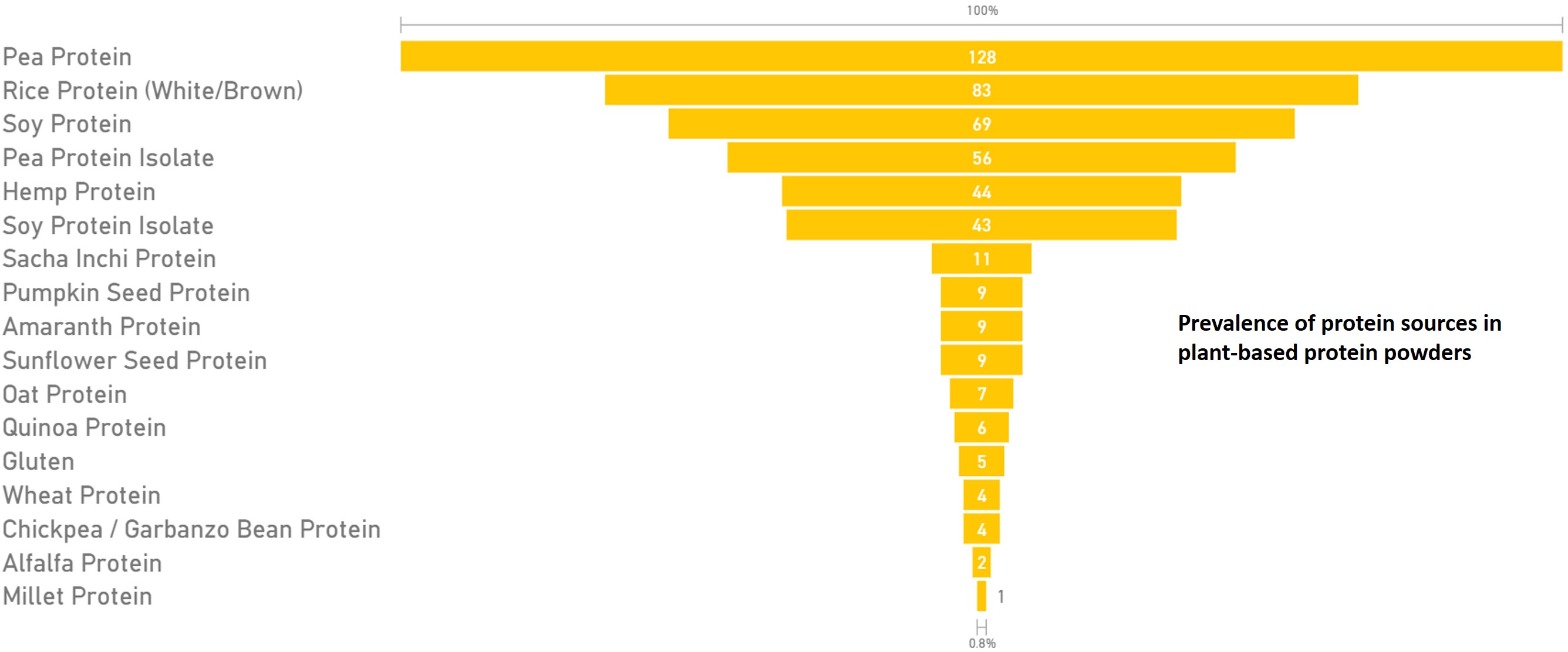
Plant-based powders come from a variety of plants — commonly brown rice, pea, soy, and hemp. Depending on the product, a powder may be single-source or a blend of plant proteins.
Since they’re entirely plant-derived, plant-based protein powders are free of dairy and lactose, making them suitable for vegans or those who are lactose intolerant.
Protein content
Generally, whey and plant-based protein powders offer similar protein amounts, with the typical product delivering 20–30 grams per serving.
Whey is regarded as a complete protein because it supplies all nine essential amino acids — the building blocks of protein. It also provides the branched-chain amino acids (BCAAs) leucine, isoleucine, and valine, which are important for muscle development.
The protein profile of plant-based powders varies by source. Plant-based options often have fewer BCAAs than whey. Only soy protein is naturally a complete plant protein.
Some brands mix different plant proteins to ensure their products supply all essential amino acids and adequate BCAAs.
The surest way to determine if a powder delivers a sufficient protein dose — 20–30 grams per serving — and a good amino acid profile is to check the nutrition facts on the label.
Digestibility and food sensitivities
Whey powders contain lactose, a frequent cause of food sensitivity. Choosing whey protein isolate can reduce lactose per serving but may still cause digestive upset, bloating, or gas if you’re very sensitive.
Plant-based powders contain various ingredients; some include common allergens like soy or gluten, so read labels and pick products labeled soy-free and/or gluten-free when necessary.
Certain plant-based powders — particularly those with pea protein — may trigger bloating or cramps for people with irritable bowel syndrome or sensitivity to FODMAPs.
If you have food sensitivities, an effective approach is to experiment with different powders and keep a food and symptom log. This helps you spot and monitor any adverse reactions from various products.
Cost
The cost of plant-based and whey powders mostly depends on the brand.
Overall, you can find both types priced similarly. That said, products marketed as organic, keto, paleo, or with other niche attributes often cost more.
Note that some plant-based powders, like hemp, require larger serving sizes than others such as pea protein, so you may go through the container faster, increasing the overall expense.
If you want a more economical plant-based choice, select one with serving sizes comparable to whey products.
Effectiveness for muscle growth
Building muscle requires resistance training and consuming enough protein that includes all essential amino acids and BCAAs.
Whey protein isolate is often considered the benchmark for muscle gain because it’s a complete protein, rich in leucine, and is absorbed quickly.
Nonetheless, plant-based powders can also be complete and high in leucine if they combine two or more plant proteins or are fortified with BCAAs.
In fact, studieshaveshown that whey and plant-based powders are similarly effective for muscle hypertrophy when protein and BCAA amounts per serving are comparable.
No matter which powder you pick, a quality product contains at least 20–30 grams of protein and 6–15 grams of essential amino acids — including 1–3 grams of leucine — per serving.
While evidence on whether BCAAs directly drive muscle growth is mixed, research indicates they aid muscle recovery and lessen soreness after workouts. The Journal of Sports Medicine and Physical Fitness suggests 2 to 10 grams of BCAAs daily.
Although powders are a handy way to boost protein intake, they shouldn’t be your primary protein source. Emphasize whole food proteins like chicken, fish, tofu, eggs, or legumes and use powders to top up your intake when needed.
The total daily protein intake is a major factor for muscle gain. Most individuals should aim for 0.6–0.9 grams of protein per pound (1.4–2.0 grams per kg) of body weight per day, or 20–40 grams per meal.
Effectiveness for weight loss
Weight loss requires a calorie deficit, meaning you take in fewer calories than you expend. This is typically accomplished by reducing calorie intake and increasing activity.
Both whey and plant-based powders can support weight loss by enhancing satiety and helping maintain lean muscle mass — the body’s fat-free component.
Consider these tips to further support weight loss:
- Use protein-only supplements. Many powders include extra ingredients that add calories, such as added sugars. Choose a powder that contains primarily protein.
- Aim for 100–150 calories or fewer per serving. Higher calorie counts usually indicate additional ingredients.
- Watch smoothie portions. If you mix powder into a smoothie, keep it to about 1 cup (250 mL). Smoothies loaded with whole milk, Greek yogurt, nut butter, or juice can become too calorie-dense to serve as a snack and may function as a meal replacement, especially if fruit, greens, or seeds are added to increase fiber.
- Mix into foods. Add protein powder to whole foods like pancakes or oatmeal.
- Don’t rely on it as a meal replacement. Protein powders and shakes lack the full range of nutrients and calories found in complete meals. Using them as meals can lead to hunger and extra snacking.
- Include strength training. Resistance training several times per week helps preserve muscle mass and encourages muscle building. More muscle can raise your metabolic rate and support weight loss.
- Consult a dietitian. A registered dietitian can help you figure out how to incorporate protein powder to meet your individualized weight-loss goals.
Recommendation
Selecting a protein powder is a personal decision.
If you already use and like whey protein, there’s no need to switch to a plant-based alternative.
However, if you experience digestive issues or want a non-dairy option, many plant-based powders can deliver excellent results. Preferably choose a blend that includes multiple plant protein sources or is fortified with amino acids. You might also consider high protein nuts to complement your intake.
Ultimately, the ideal protein powder for you is one you enjoy, fits your dietary requirements, and provides 20–30 grams of protein per serving.
The bottom line
Protein powders are a helpful supplement for supporting muscle growth and weight loss.
Depending on your preferences and needs, you may opt for animal-based whey or a plant-based powder. Both can supply sufficient protein to aid your fitness aims.
When choosing a powder, look for products with minimal added ingredients and 20–30 grams of protein per serving. For plant-based options, pick a mixed blend to ensure a complete amino acid profile.
Just one thing
Try this today: I often enjoy a cozy, filling bowl of protein oats — or proats — in the morning. Here’s a simple method:
- Combine 1/2 cup quick oats and 1/2 cup water in a bowl.
- Microwave for 2–3 minutes or until hot and thick.
- Stir in 20–30 grams of protein powder and 1/4 cup milk.
- Add desired toppings and serve.
Tasty topping ideas include:
- vanilla protein powder with diced pear and toasted coconut flakes
- chocolate protein powder with sliced banana and a dollop of peanut butter
- strawberry protein powder with fresh or frozen berries and chia seeds






















Leave a Reply
You must be logged in to post a comment.