
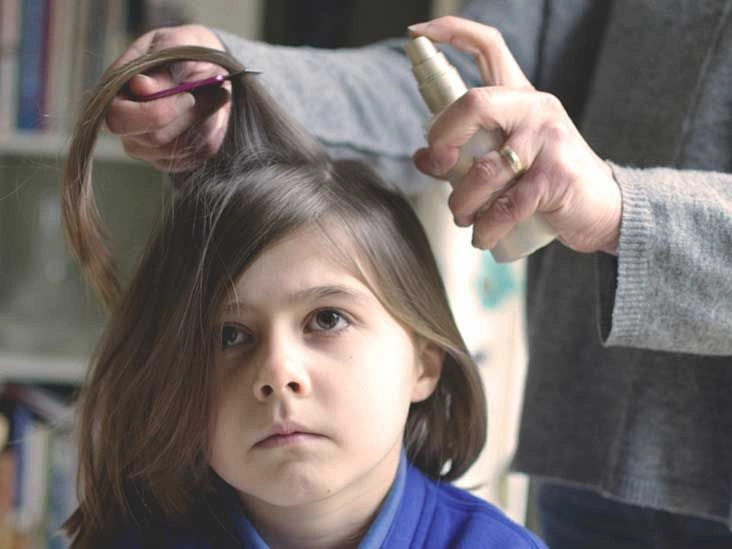
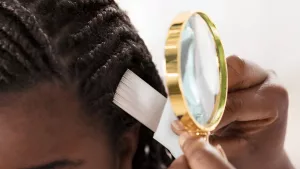
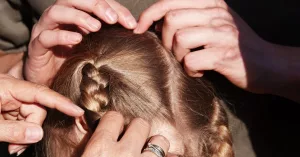
Although additional studies are necessary, applying tea tree oil to the scalp may help deter lice and reduce their feeding on the head.
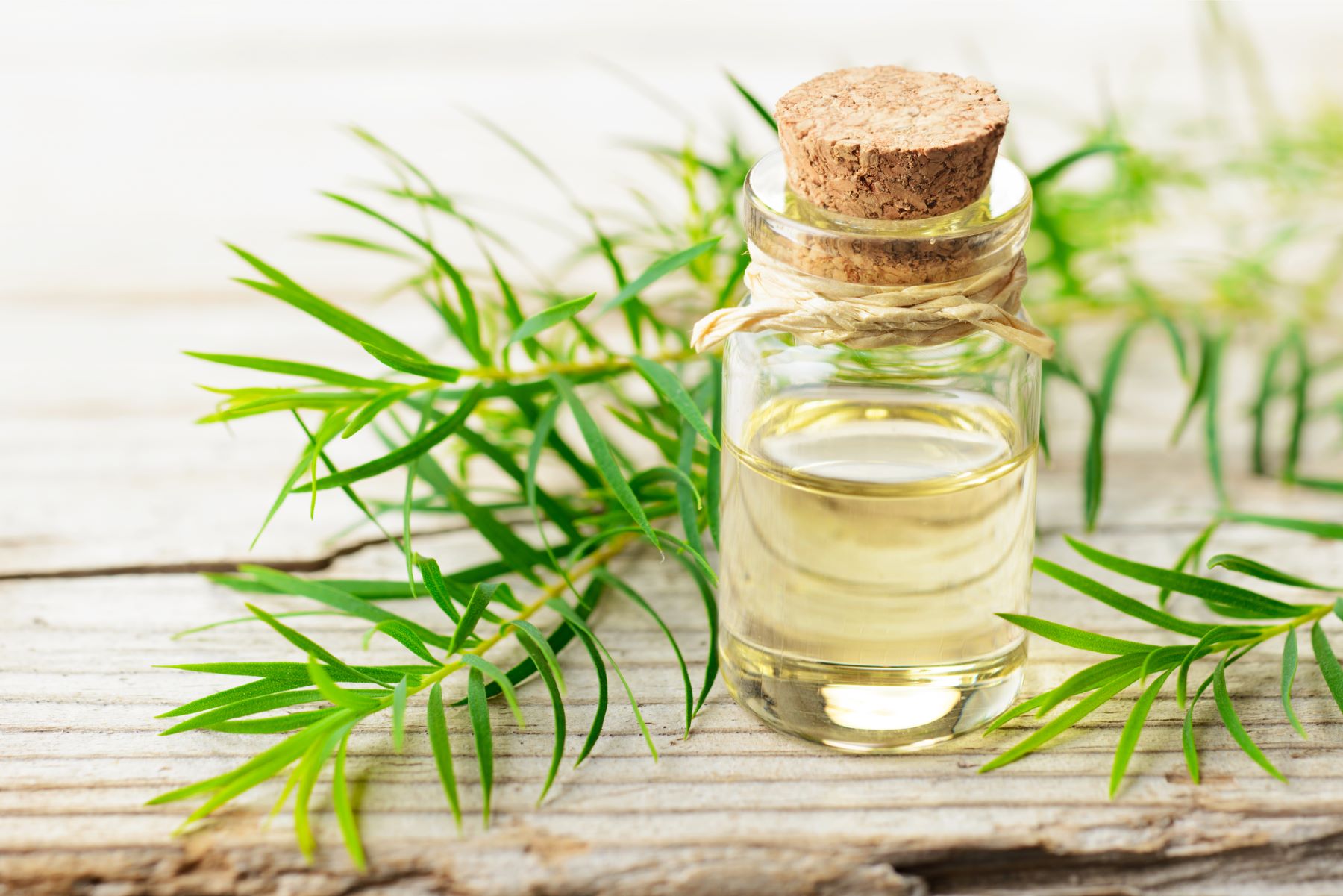
Tea tree oil is extracted from the leaves of the Melaleuca alternifolia plant. Indigenous Australians have used it for medicinal purposes for generations, and people worldwide still rely on tea tree oil for a variety of ailments.
Some people claim tea tree oil can kill lice, yet not all specialists are persuaded. More rigorous research is required before firm conclusions can be drawn.
What does the evidence show?
The Mayo Clinic states that further research is needed to determine how well tea tree oil works against lice, particularly through larger, well-designed clinical trials.
Still, a few preliminary studies indicate tea tree oil might be helpful for head lice. For instance, research published in Parasitology Research found it could kill lice at the nymph and adult stages and also decrease the number of louse eggs that hatched.
Tea tree oil appears promising
Another trial in BMC Dermatology reported encouraging findings. Researchers tested three products on children with head lice, including one formulation containing tea tree oil combined with lavender oil.
By the final day of treatment, almost all children who received the tea tree and lavender product were lice-free — similar to those treated with a product intended to suffocate lice. By contrast, only about 25% of children given pyrethrins with piperonyl butoxide were free of lice. These two are common active agents in over-the-counter lice shampoos.
It may repel lice
A study in the International Journal of Dermatology compared botanical versus synthetic agents for preventing lice in primary school children. The team evaluated tea tree oil, lavender oil, peppermint, and DEET.
Tea tree oil alone performed best among the options tested. Both tea tree oil and peppermint showed the greatest repellent effects, and tea tree oil paired with lavender also reduced lice feeding on treated skin. Though these results are promising, the researchers concluded that none of the tested treatments were sufficiently effective to endorse without reservation.
Many claimed uses lack strong proof
Beyond preventing and killing lice on skin, some people use tea tree oil to treat clothing and bedding to remove lice. However, there is no solid scientific evidence that this approach works. More research is necessary to clarify how tea tree oil might be used to prevent and control lice outbreaks.
What are the risks of using tea tree oil?
The National Center for Complementary and Integrative Health (NCCIH) notes that diluted tea tree oil applied to the skin is considered safe for most adults, but it can cause adverse effects.
Tea tree oil contains components that may irritate skin and, in some individuals, can trigger allergic contact dermatitis. Repeated use has also been linked to gynecomastia (breast tissue enlargement) in prepubescent boys. The NCCIH cites a case in which a young boy developed breast enlargement after using hair care products containing both tea tree oil and lavender oil.
Do not ingest it
If you opt to use tea tree oil, apply it externally only. Do not swallow it.
The NCCIH warns that ingestion is toxic and can cause drowsiness, disorientation, rash, and loss of muscle coordination. At least one person has been reported to fall into a coma after drinking tea tree oil.
What is the right amount to use?
If you’re considering tea tree oil for lice, you may wonder about the appropriate dose. The Mayo Clinic notes that no specific dose has been definitively proven effective.
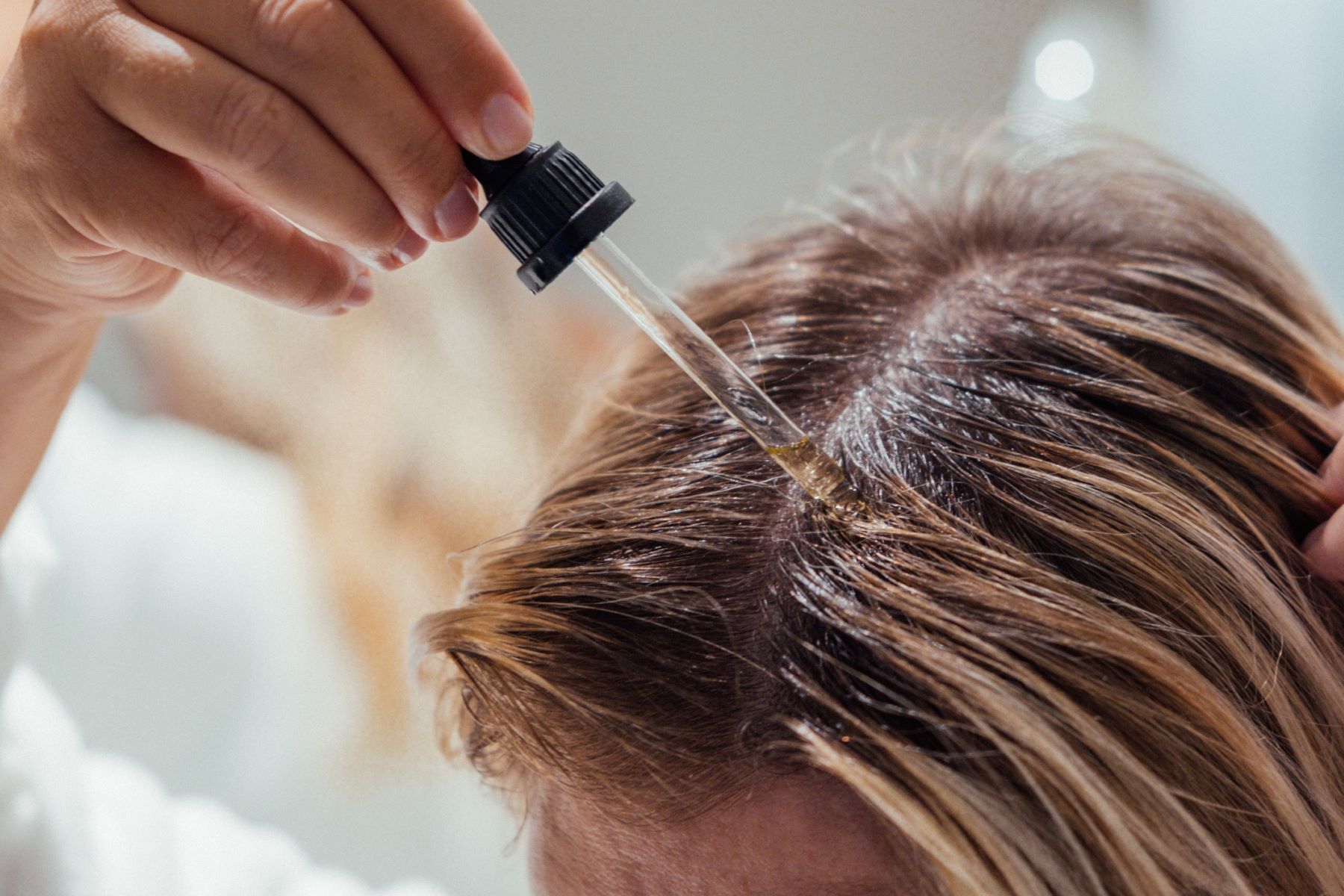
Some clinical trials have used preparations containing 1% to 10% tea tree oil in a shampoo or gel, typically applied to the scalp once daily for up to four weeks. Consult your healthcare provider for personalized advice.
For related topical uses and benefits, you might also read about tea tree oil for ingrown hair and tea tree oil for dandruff.
Use with care
Early research indicates tea tree oil could be effective against head lice, either by itself or combined with botanicals like lavender oil. Nonetheless, larger well-designed studies are needed before experts can recommend tea tree oil as a clearly safe and effective lice treatment.
If someone in your household has head lice, talk with your doctor about treatment options. Consult a healthcare professional before trying tea tree oil or other alternative remedies so they can help weigh potential benefits and risks.


















Leave a Reply
You must be logged in to post a comment.