

Why are my legs tired?
Feeling fatigued in the legs is a common complaint with many possible causes. You may be more susceptible to leg tiredness if you’re female, carry extra weight, or are older. Prolonged periods of sitting or standing can also lead to tired legs.
Continue reading to learn more about this symptom, including typical causes and ways to manage it.
8 causes for tired legs
Many different issues can result in tired legs. This sensation may come with pain, soreness, or cramps. While tired legs are often not a serious problem, it’s important to notice when the fatigue occurs — especially if it’s accompanied by other signs.
Possible reasons for tired legs include:
1. Overuse
If you’ve recently been using your legs more than usual, they can feel fatigued. Ensure you give yourself adequate rest and respect your body’s limitations to avoid strain, overexertion, and injury.
If your job requires frequent leg use, be sure to take regular breaks during the day.

2. Underuse
Not moving your legs enough can also produce a sensation of tiredness. If you sit for long stretches, try to stand and move around for at least five minutes each hour.
If you’re confined to bed for extended periods, perform simple leg lifts and stretches each hour and prop your legs up on pillows.
3. Muscle cramps
Strenuous or repetitive use of the legs can trigger muscle cramps, which may make your legs feel tired.
Allow time for rest until the symptoms ease. Consult your doctor if cramps are severe or persistent. Here are more tips to relieve leg muscle cramps.
4. Hypokalemia
Hypokalemia is when potassium levels in the blood are low. This can produce:
- fatigue
- muscle weakness
- leg cramping
- constipation
Certain drugs and medical conditions can cause hypokalemia. See your healthcare provider to identify the root cause and determine the best treatment.
5. Varicose veins
Tired, heavy, or aching legs are common when varicose veins are present. These veins develop when valves don’t function properly and blood pools in the veins, causing them to enlarge.
Self-care like exercise, elevating the legs, and wearing compression stockings often eases symptoms. Consult your doctor if you don’t notice improvement.
6. Poor circulation
Your legs can feel fatigued when blood flow is inadequate. Poor circulation typically affects the lower extremities, since it’s more difficult for blood to travel upward toward the heart. Blood can accumulate in the legs, ankles, and feet.
You may improve circulation by:
- being more active
- avoiding tight clothing
- managing conditions such as diabetes
If lifestyle measures don’t help, see your doctor. They may prescribe medications to improve circulation.
7. Pregnancy
Swelling in pregnancy may be due to:
- hormonal changes
- fluid retention
- increased pressure on veins
These changes can make your legs feel tired and uncomfortable, and may lead to cramps and varicose veins.
Sleeping on your left side can reduce pressure on the vein that returns blood from the lower body to the heart. You can also try these five pregnancy-friendly exercises.
Contact your healthcare provider if you develop sudden or severe swelling, as this can signal preeclampsia.
8. Multiple sclerosis (MS)
Feeling heavy or fatigued in the legs can be a symptom of MS. In fact, fatigue is one of the most frequently reported complaints in people with this condition. Heat and humidity may worsen tiredness.
MS-related fatigue arises because the disease affects nerves, disrupting communication between the brain and muscles.
Other possible MS symptoms include:
- blurred or double vision, or vision loss
- tingling or numbness
- painful spasms or muscle pain
- balance problems or dizziness
- bladder dysfunction
- sexual difficulties
- trouble concentrating, organizing, or remembering
MS must be diagnosed by a physician. Talk with your doctor if you suspect MS.
How to treat tired legs at home
Often, tired legs can be managed with home remedies.
1. Dry brushing
Dry brushing may help stimulate blood flow, increase energy, and support lymphatic drainage. It also exfoliates the skin.
Choose a brush with natural bristles. Start at your feet and brush upward toward the heart for 10 to 15 minutes before a cool shower.
2. Warm bath
A warm soak can relax you, relieve pressure on the legs, and promote circulation. Add up to 2 cups of sea salt, Epsom salt, or baking soda, and soak for at least 20 minutes.
3. Foot bath
A foot soak can refresh tired feet and reduce pain, soreness, and inflammation.
Add 1 cup each of Epsom salt, sea salt, and vinegar to warm water and soak your feet for 20 minutes or more.
4. Apple cider vinegar
One study suggested that topical apple cider vinegar may ease varicose vein symptoms like cramping, pain, and fatigue.
You can apply it directly to your legs or include it in a bath.
5. RICE method
This approach includes:
- Rest. Give your legs a break to allow recovery.
- Ice. Apply ice or soak in cold water for about 20 minutes at a time, several times daily.
- Compression. Use a compression bandage to lower swelling.
- Elevation. Prop your legs up with pillows to reduce swelling and discomfort.
This method can help boost circulation and reduce pain and swelling.
6. Massage
Massage may help ease leg fatigue. If possible, see a licensed massage therapist. You can also self-massage by rubbing oil or ointment into your feet and legs.
Capsaicin gels or creams may assist with pain relief and circulation.
7. Simple exercises
Short, simple movements can help relieve tired legs. Even a minute of these activities can get blood moving.
- Roll a tennis ball under your foot while seated.
- Rotate each ankle clockwise as if drawing a circle on the floor — while sitting or standing.
- While standing, alternate rising onto your tiptoes and returning both feet to the ground.
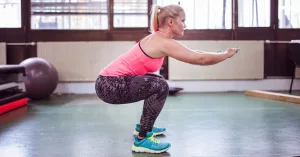
- Do jumping jacks, basic squats, or jog in place.
How to prevent tired legs
Try these strategies to prevent or lower your chance of leg tiredness:
- Eat a balanced diet to ensure you get essential nutrients and maintain energy for daily tasks.
- Get adequate vitamin D from sunlight or food.
- Wear supportive, comfortable shoes if you’ll be on your feet for long periods. Consider cushioned insoles for extra support.
- Move often. Aim for at least 15 minutes of exercise daily and stand or stretch for five minutes every hour you’re sedentary.
- Avoid crossing your legs while sitting.
- Maintain good posture whether sitting or standing.
- Stay well hydrated.
- Keep a healthy weight.
- Wear compression stockings when appropriate.
- Elevate your feet while sleeping using pillows.
- Ensure adequate rest and sleep.
- Limit alcohol, sugary foods, and caffeine.
- Quit smoking if you smoke.
When to seek help
Rest and home treatments often relieve tired legs. However, if fatigue persists despite self-care or lasts more than a few days, schedule an appointment with your doctor.
Also consult your healthcare provider if you have pain, loss of function, or other troubling symptoms. They can evaluate whether an underlying condition is causing your leg tiredness.
Outlook
In most situations, rest and appropriate self-care will restore energy to your legs. Your legs do a lot for you and occasionally need some extra attention.
If you experience ongoing leg tiredness or unexplained pain or swelling, seek medical advice.















Leave a Reply
You must be logged in to post a comment.