

An ingrown hair occurs when a strand curls back or grows sideways into the skin instead of emerging from it.
These hairs often appear as tiny bumps or spots on the skin. They may be tender or itchy, and in some cases become inflamed or infected, sometimes producing pus.
Ingrown hairs frequently appear in regions that are shaved or waxed, such as:
- the face
- the underarms
- the legs
- the pubic area
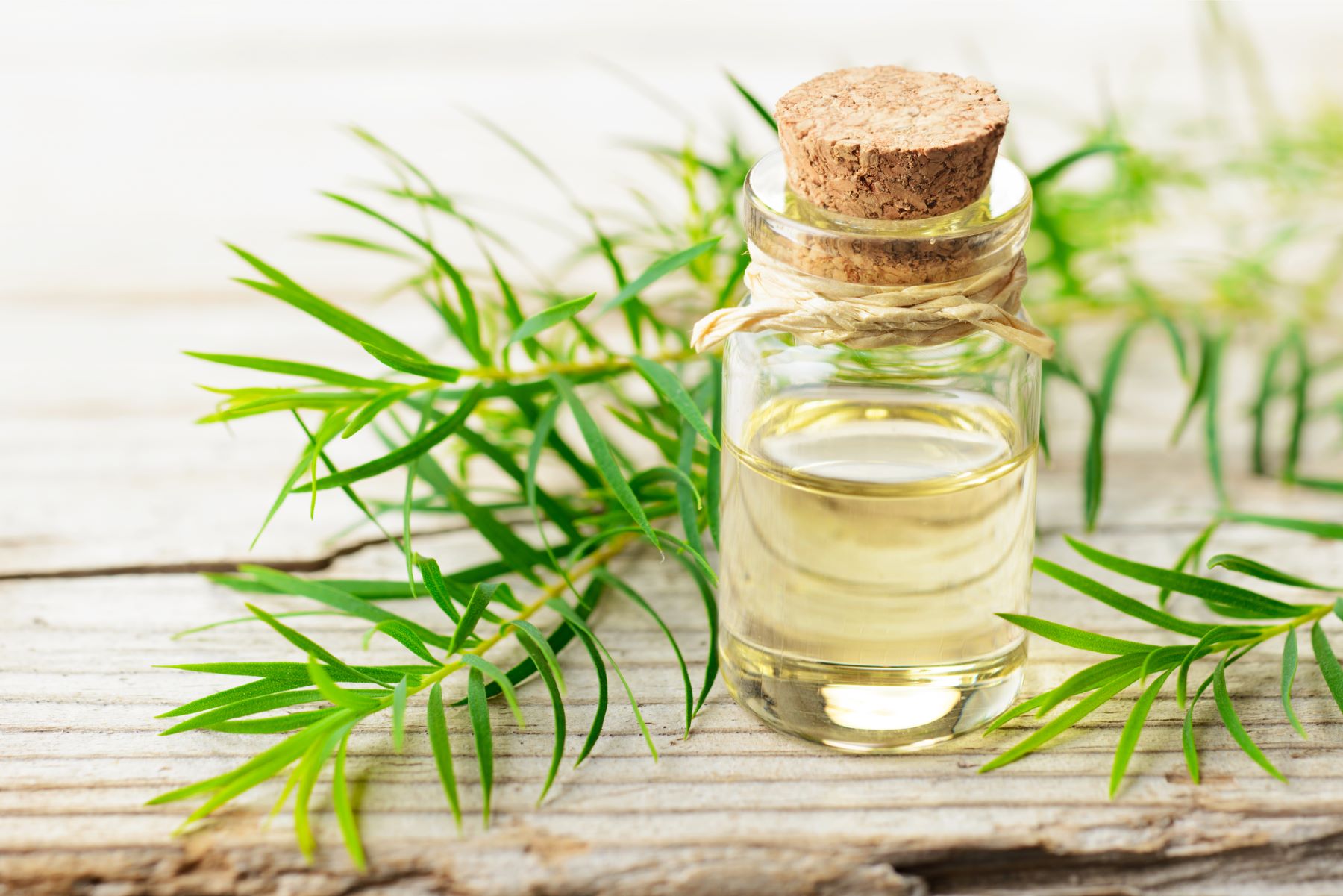
What is tea tree oil?
Tea tree oil (Melaleuca alternifolia) is produced by steam-distilling the leaves of the tea tree. Native to Australia, the plant has a long history of use by Aboriginal Australians for coughs, colds, and wound care.
A 2006 study found that tea tree oil exhibits antimicrobial, antibacterial, antifungal, antiviral, and anti-inflammatory effects. It may also help speed wound recovery.
Treating an ingrown hair with tea tree oil
Tea tree oil can help manage ingrown hairs in three main ways. It can:
- help prevent ingrown hairs
- aid healing of ingrown hairs
- reduce the chance of infection in ingrown hairs
Prevention
Keeping skin hydrated and free from harmful microbes is key to preventing ingrown hairs. Natural health practitioners recommend applying a blend of 8 drops of tea tree oil mixed into 1 ounce of shea butter on areas prone to ingrown hairs.
Healing
Those who favor natural remedies propose mixing 20 drops of tea tree oil into 8 ounces of warm distilled water. This solution can help lower inflammation and may open pores, allowing trapped hairs to loosen.
Soak a clean washcloth in the tea tree water, squeeze out excess liquid, and press it gently onto the affected area so the solution can be absorbed. Do this twice daily—once in the morning and once before bedtime.
Protection
Tea tree oil’s antibacterial qualities may be useful for managing infections linked to ingrown hairs.
Proponents suggest adding roughly 10 drops of tea tree oil to 1/4 cup of your usual body lotion to enhance its effectiveness and reduce bacteria in areas prone to ingrown hairs.
Precautions with tea tree oil
Despite its popularity, there are some safety considerations with tea tree oil:
- Tea tree oil is poisonous if swallowed.
- Excessive use of tea tree oil can over-dry the skin.
Other oils that can be used with ingrown hairs
Besides tea tree oil, several other oils may help manage ingrown hairs:
- German chamomile essential oil. Natural practitioners view German chamomile (Matricaria recutita) as an effective skin emollient that can lubricate the skin to help prevent ingrown hairs. They suggest creating a massage oil for areas prone to ingrown hairs by blending 10 drops of German chamomile essential oil with 1/2 cup of sweet almond oil, then massaging it into the skin before a warm soak.
- Lemongrass essential oil. Advocates of natural care believe lemongrass (Cymbopogon citratus) essential oil offers antibacterial, astringent, and skin-reviving benefits for treating ingrown hairs. Combine 9 drops of lemongrass essential oil with 1/4 cup of jojoba oil, then apply a single drop of the blend to each ingrown hair.
- Lavender essential oil.Lavender (Lavandula latifolia) essential oil is considered soothing for the skin by natural healers. They recommend a homemade shaving cream to discourage ingrown hairs: whip 10 drops of lavender essential oil into 1/2 cup of coconut oil using an electric mixer until you get a creamy white texture suitable for shaving.
For related topical remedies and information, you may also find useful resources such as tea tree oil for nail fungus, tea tree oil treatment lice, and essential oils for dandruff.
The takeaway
Ingrown hairs can be bothersome and sometimes painful. Essential oils — notably tea tree oil — may help prevent and treat ingrown hairs.
Talk with your physician before using essential oils for any health issue.
If ingrown hairs continue or worsen, consult your doctor about alternative treatment options.
















Leave a Reply
You must be logged in to post a comment.