Can You Kill Lice by Blow-Drying Hair?

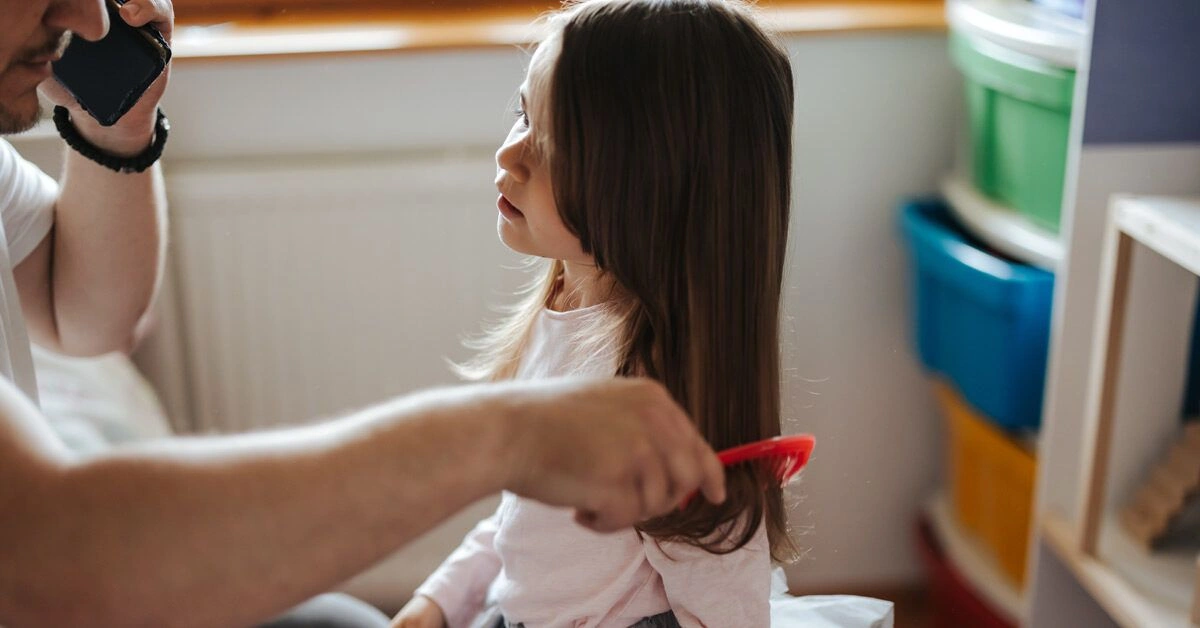
Although heat can destroy lice and their eggs (nits), using a blow-dryer on your or your child’s hair to eliminate lice may not work and could even be hazardous.
Head lice are tiny parasitic insects that live in hair, and sometimes on eyebrows or eyelashes. They don’t transmit disease, but they feed on blood and spread easily from person to person.
There are several proven methods to remove lice, and also many approaches that aren’t effective and might cause harm.
Here we’ll review whether blow-dryer heat can kill lice, reliable treatments for lice, and when it’s time to see a doctor.
Can blow-dryer heat kill lice?
Research into whether blow-dryer heat kills lice is limited. For instance, a 2006 paper suggested some potential: it found hot air from different sources varied in how well it killed lice.
Experts agree that air above 130°F (54°C) can kill lice and their eggs if maintained for five minutes or more. However, sustaining that temperature so near the scalp can be painful and may cause burns after only a few seconds.
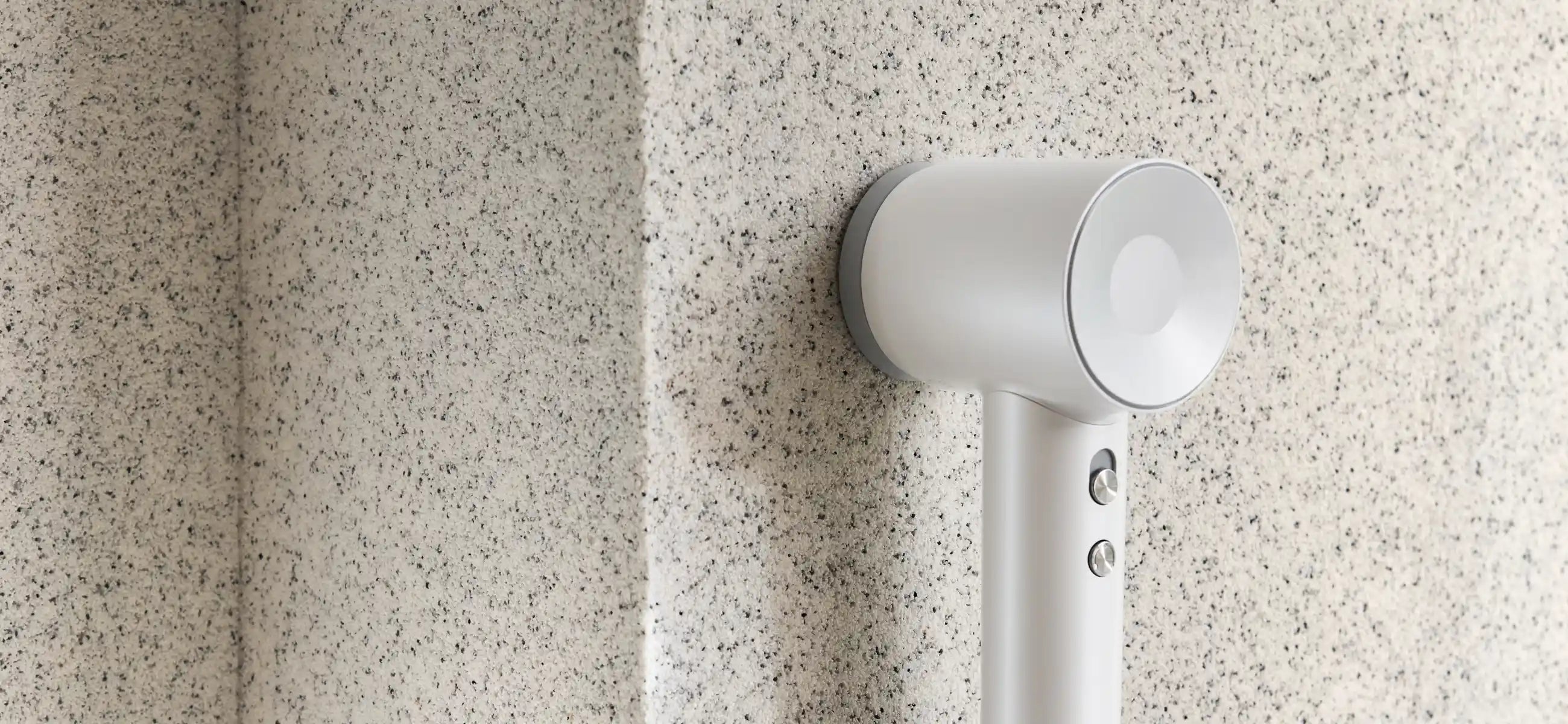
Also, malathion lotion, a prescription lice treatment, reacts poorly to heat. If you’re using malathion, avoid combining treatments, refrain from smoking or having anyone smoke nearby, and keep it away from flames and hot appliances like stoves, curling irons, and hair dryers.
Does a blow-dryer kill lice eggs (nits)?
Nits are susceptible to high temperatures, which is why experts recommend washing clothing, towels, and bedding used by the infested person in hot water and drying them on hot cycles.
Blow-drying could potentially kill nits, but the temperature needed — over 130°F (54°C) for at least 5 minutes — risks burning the scalp when applied close enough to be effective.
Can heat in general kill lice?
Elevated heat can eradicate lice if it’s applied to the affected area for more than five minutes . The temperature required is above 130°F (54°C), which is why laundering items potentially exposed to lice on high heat is recommended.

Proven ways to remove lice
There are effective over-the-counter (OTC) and prescription options, plus mechanical and home-remedy approaches to treat lice.
Over-the-counter options
OTC lice products, like pyrethrin (Rid) and permethrin (Nix), are plant-based insecticides. They act as neurotoxins to paralyze and kill lice.
People allergic to ragweed might react to these products, but the chance is low. Still, because they’re neurotoxic, use them cautiously to avoid unwanted effects.
Prescription options
If home treatments don’t work, a clinician may prescribe one of several medications, including:
- Malathion 0.5% lotion (Ovide): Often more effective than products like Nix, but it is highly flammable.
- Spinosad 0.9% suspension (Natroba): Demonstrated effective and FDA-approved against many lice species. Not recommended for infants under 6 months.
- Lindane lotion: Effective and FDA-approved for adults, though the American Academy of Pediatrics advises against its use in children.
- Ivermectin oral tablet (3 mg): This antiparasitic causes paralysis and death of lice. It’s generally reserved for cases not resolved by other treatments because of concerns like potential crossing of the blood-brain barrier and possible adverse effects in children.
Wet-combing
Wet-combing remains one of the most reliable methods to remove lice and nits. Steps for wet-combing include:
- Spritz hair with water or rinse out any medicated shampoo.
- Divide hair into small sections and comb each with a fine-toothed lice or nit comb; metal combs often work best. Spraying white vinegar while combing can help loosen nits from the hair shaft.
- Remove nits from the shaft by hand, with or without gloves.
- Put removed lice and nits on a tissue and flush it down the toilet.
- Wash your hands and clean under fingernails thoroughly.
Smothering methods
Smothering lice is another possible approach. To try it:
- Part the hair and apply olive oil to the scalp at the hair roots.
- Work the oil into the roots, then cover with a shower cap or other impermeable covering. Olive oil deprives lice of oxygen; you might notice them moving. It can take 6 to 8 hours for them to die.
- Leave the oil in while combing out lice and nits using a fine-toothed metal comb on small sections.
- Wash out the oil with a clarifying shampoo or dish soap; multiple washes may be necessary.
- Inspect dry hair in bright light to find any remaining nits.
- Dispose of collected nits on a tissue and throw it away or flush it.
Optum Now is operated by RVO Health. By clicking on this link, we may receive a commission. Learn more.
When to see a doctor
See a clinician if home strategies fail or the situation becomes too difficult to manage at home. Medical professionals can suggest additional treatment options.
Bottom line
Head lice are parasites that cling to hair and lay eggs called nits. They feed on blood and can cause itching and discomfort but aren’t disease carriers.
Heat can kill lice, but it must exceed 130°F (54°C) for more than five minutes — a level of heat that could burn the scalp, making a blow-dryer an impractical and risky sole treatment.
There are OTC and prescription medications and mechanical removal methods that work well. If home treatment doesn’t clear the infestation or becomes overwhelming, consult a doctor.
Frequently Asked Questions
No. While very high heat can kill lice, blow-dryers don’t consistently deliver the required 130°F (54°C) for five minutes without risking scalp burns, so they aren’t a reliable treatment.
Not safely. Nits need sustained high heat to die, and applying that heat close enough with a blow-dryer can easily burn the skin, so it’s not recommended.
Professional heat treatments exist that control temperature and exposure safely, but at-home heat methods like hair dryers are risky and not advised.
Effective approaches include OTC products (pyrethrin or permethrin), prescription meds (spinosad, malathion with precautions), and mechanical removal like wet-combing with a fine-toothed nit comb.
See a clinician if OTC treatments and combing don’t work, if the infestation recurs, or if you’re unsure which treatment is safe—especially for young children.




Related Posts

5 Evidence-Based Ways Collagen May Improve Your Hair
Sep 1, 2026 • 3 min read
Bumps on Lips
Aug 3, 2026 • 6 min read
Folic Acid vs. Folate — What’s the Difference?
Aug 17, 2026 • 22 min read
Pregnancy Yoga Stretches for Back, Hips, and Legs
Sep 15, 2026 • 16 min read
The 7 Best Mattresses for Pregnancy
Sep 17, 2026 • 18 min read