Lice
Lice covers prevention, treatment, and removal tips for head lice and other types, offering practical advice to effectively manage and eliminate infestations.

What to Do If You Find Lice Nits in Your Hair
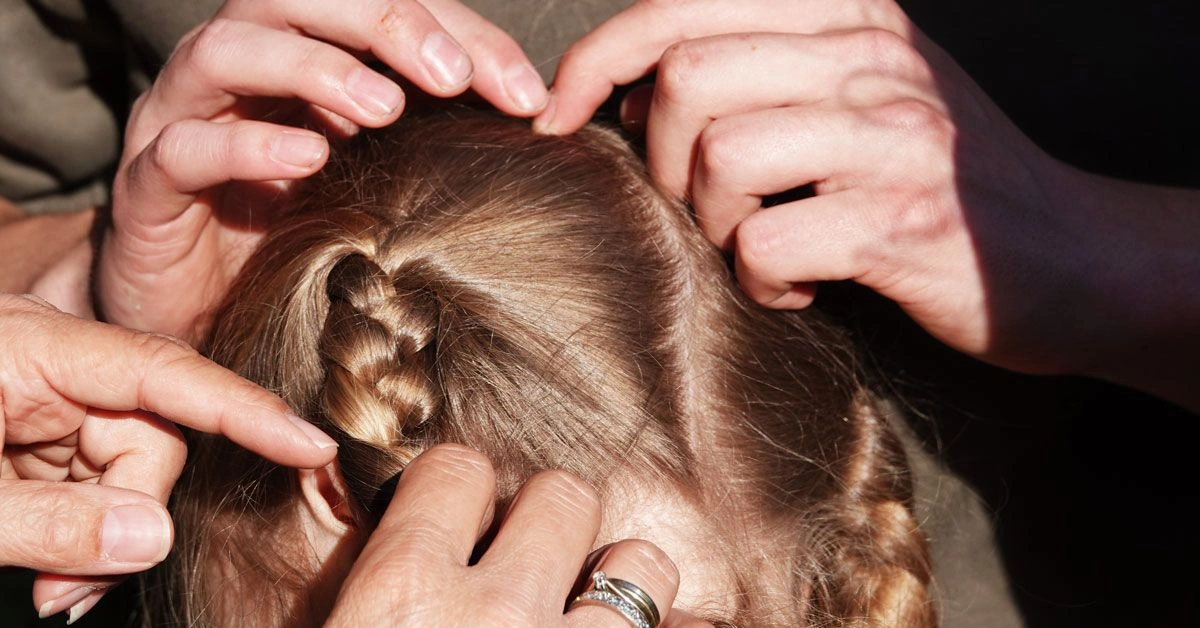
Discovering nits in your hair (or your child’s) is never pleasant, and it can be especially puzzling when you spot the eggs but don’t see any live lice nearby. Nits are lice eggs, so their presence indicates that a louse was on the head at some point and might still be around. Adult lice can be hard to detect — they may have crawled to another person’s head, or an…
How to Tell the Difference Between Lice and Fleas
Lice and fleas are small blood-feeding insects that can live on people or animals, but they have several important distinctions. Lice are minute insects that live and reproduce in human hair, feeding on blood. They’re most frequently found in scalp hair. Lice move by crawling from one person’s head to another, multiplying and causing infestations if not addressed promptly — however, they die within a few days without a human…
Why Fleas Live on Pets and Not Humans
Fleas can bite people, yet they reside and reproduce on animals, shielded by fur and plumage. To eradicate fleas, you must treat both your pet and your dwelling. When fleas come to mind, you likely picture your companion animal. Fleas typically inhabit dogs, cats, birds, or other warm-blooded creatures, because their fur and plumage provide easy concealment and breeding grounds. Fleas are tiny, wingless parasites that puncture skin and draw…
Can You Kill Lice by Blow-Drying Hair?
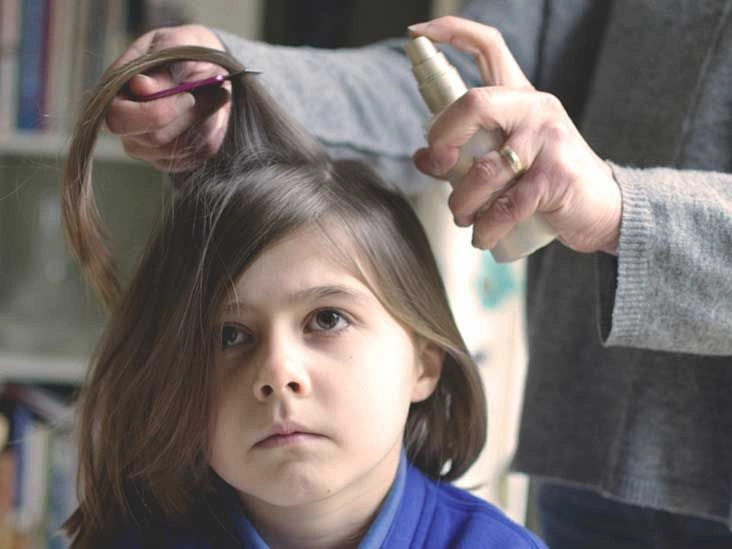
Although heat can destroy lice and their eggs (nits), using a blow-dryer on your or your child’s hair to eliminate lice may not work and could even be hazardous. Head lice are tiny parasitic insects that live in hair, and sometimes on eyebrows or eyelashes. They don’t transmit disease, but they feed on blood and spread easily from person to person. There are several proven methods to remove lice, and…

Tea Tree Oil Treatment for Lice: Does It Work?
Although additional studies are necessary, applying tea tree oil to the scalp may help deter lice and reduce their feeding on the head. (img by Wimpole Clinic) Tea tree oil is extracted from the leaves of the Melaleuca alternifolia plant. Indigenous Australians have used it for medicinal purposes for generations, and people worldwide still rely on tea tree oil for a variety of ailments. Some people claim tea tree oil…
Witch Hazel Lice Relief: What Works & What Doesn’t
Hey there, friend. If you’re reading this, chances are you (or someone you love) has just discovered a tiny, unwanted guest on the scalp and wondered, “Can witch hazel actually kill lice?” Short answer: no, it won’t kill them. It can calm the itch and make the combing job a little easier, but the bugs and their eggs survive. The real heroes are FDA‑cleared lice treatments and a diligent nit‑comb.…
Listerine Lice Treatment: Myths, Risks, and Real Solutions
Let’s cut to the chase: Listerine does not reliably kill head or body lice, and it isn’t approved by any health agency for that purpose. If you’re staring at a comb full of tiny, wiggly critters and wondering whether that bottle of minty mouthwash can save the day, the short answer is “no.” The good news? There are safe, proven lice treatments that work without burning your scalp or leaving…
Can Head Lice Live in a Beard? What You Need to Know
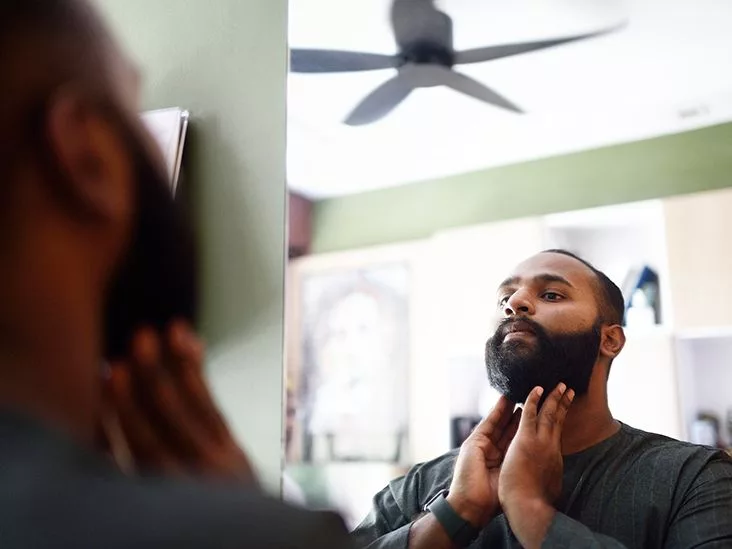
Hey there, friend. If you’ve ever felt an itchy tickle in your beard and wondered whether those tiny critters are head lice, you’re not alone. The short answer? Head lice rarely set up shop in a beard. They love the warm, dense hair on your scalp far more than the coarser, spaced‑out strands on your face. But don’t toss your favorite grooming tools just yet—there are a few exceptions, and…
Do Lice on Leather Really Survive? The Truth Explained
Short answer: no, lice cannot live on leather. The moment a tiny head‑lice or body‑lice lands on a jacket, a purse, or a sofa, it’s already on borrowed time because leather simply isn’t the right environment for these parasites. In the next few minutes you’ll learn why, how long a louse might cling to a surface, and exactly what (if anything) you need to do to keep your leather items…
Why Kid Lice Recurrence Happens and How to Stop It
Hey there, fellow parent (or caregiver)! If you’ve found yourself scrolling through endless tips, buying every “miracle” product on the shelf, and still hearing the dreaded “scratch‑scratch” from your child, you’re not alone. The short answer? Most repeat cases boil down to a few simple, fixable slip‑ups—missing a nit, a second treatment at the wrong time, or a surprise encounter at school. The good news is that once you understand…