How to Tell the Difference Between Lice and Fleas

- Lice vs. fleas pictures
- Lice vs. fleas behavior
- Symptoms of lice bites vs. fleabites
- Lice bite symptoms
- Fleabite symptoms
- Health risks posed by lice vs. fleas
- Treating lice vs. fleas
- Lice treatment
- Flea treatment
- How to get rid of lice and fleas
- How to get rid of lice
- How to get rid of fleas
- When to contact a doctor
- How to prevent lice vs. fleas
- Frequently asked questions about lice and fleas
- How do you tell if you have lice or fleas?
- Can fleas live in your bed?
- Do lice jump like fleas?
- Will lice shampoo kill fleas?
- Takeaway
Lice and fleas are small blood-feeding insects that can live on people or animals, but they have several important distinctions.
Lice are minute insects that live and reproduce in human hair, feeding on blood. They’re most frequently found in scalp hair.
Lice move by crawling from one person’s head to another, multiplying and causing infestations if not addressed promptly — however, they die within a few days without a human host.
Fleas are also tiny blood-suckers. They’re commonly linked with animals such as dogs and cats , and unlike lice they jump from animals to people rather than crawl.
Fleas can also survive far longer away from a host than lice, persisting for as long as 100 days in some cases.
Read on to discover more about how lice and fleas differ, what signs to look for, and the treatments that can stop lice or flea infestations.
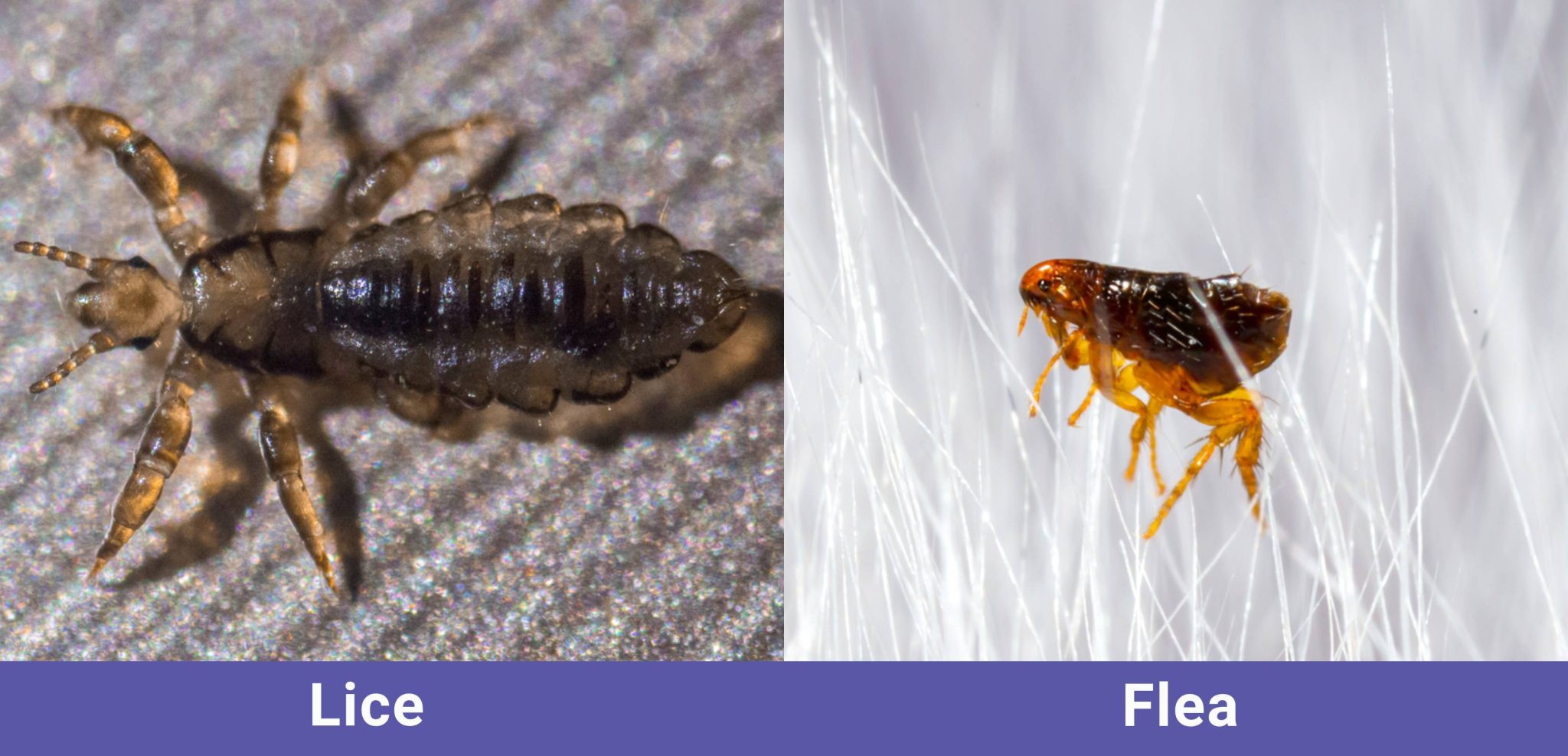
Lice vs. fleas pictures
Lice are very small. They have elongated, lightly colored segmented bodies with six legs that end in claws. In hair, lice and their eggs (nits) appear as tiny white specks clinging to strands.
Fleas are noticeably larger than lice and therefore simpler to detect. Their bodies are more rounded and their legs are proportionally shorter. After feeding, fleas become darker and more swollen.
Lice vs. fleas behavior
Lice move by crawling and tend to cluster within hair. You typically won’t find them far from a living host.
Fleas move by jumping and can survive longer off a host. Infestations are usually more concentrated on animals.
Symptoms of lice bites vs. fleabites
Below are some common signs of lice bites and fleabites to be aware of.
Lice bite symptoms
Lice bites usually cause itchy red bumps that can become sores if scratched.
Fleabite symptoms
- small circular bumps arranged in clusters
- itching or tenderness around the bite sites
- hives or a rash near the bites
- fluid discharge if bumps are scratched open
- white-topped blisters if a bite becomes infected
Health risks posed by lice vs. fleas
Lice are itchy and unpleasant but generally don’t represent a serious medical threat. At worst, they spread and cause outbreaks in crowded settings like schools or gyms.
Fleas also cause discomfort and itching. In addition, flea bites can transmit diseases , including:
- bubonic plague
- typhus
- protozoal infections
- rickettsial infections (bacterial illnesses spread by some insects)
- helminth (parasitic worm) infections
Treating lice vs. fleas
Here are common treatments you may use for lice and fleas.
Lice treatment
- fine-toothed lice combs to remove live lice and nits from hair
- over-the-counter (OTC) lice shampoos, such as Rid or Nix, to wash lice out
- prescription medicated lotions or creams for hair treatment, like Ovide or benzyl alcohol
- natural options like olive oil or almond oil to smother lice
Flea treatment
- anti-itch lotions to soothe symptoms
- antihistamines to reduce swelling and itching from bites
- antibiotics if bites become infected
- medicated flea shampoos for pets or, in some cases, for people
- topical or oral flea medications for animals
Optum Now is operated by RVO Health. By clicking on this link, we may receive a commission. Learn more.
How to get rid of lice and fleas
How to get rid of lice
These approaches can help eliminate lice:
- wash clothing and bedding in hot water — 130°F (54°C) or hotter — and tumble-dry on high heat
- dry-clean items that can’t be washed
- immerse hair brushes, combs, and accessories in hot water (around 130°F/54°C) for 5–10 minutes
- vacuum floors and upholstered furniture thoroughly
How to get rid of fleas
Tips for controlling flea infestations include:
- regularly vacuum carpets and furniture
- steam-clean rugs and upholstery
- wash all bedding in hot water
- trim grass and remove brush around your property where fleas might thrive
- use a flea comb to remove fleas from pets
- clean your pet’s bedding frequently
When to contact a doctor
See a doctor if:
- you’ve tried to control an infestation but it persists
- itching is unbearable
- bumps or rashes start draining pus or show signs of infection
- you develop other symptoms such as fever or extreme tiredness
How to prevent lice vs. fleas
Prevention tips to lower your risk of lice:
- avoid sharing clothing, towels, or items that touch others’ hair
- don’t let heads come into direct contact with other people’s heads
- keep your personal items separate from those of people who have lice
- wash bedding or garments that may have been exposed to lice
To help prevent fleas, groom your pet regularly — especially if they spend time outdoors — and avoid dense brush or wooded areas where fleas and ticks are common. For more on this topic, see can fleas live on humans.
Frequently asked questions about lice and fleas
Below are answers to common questions about lice and fleas.
How do you tell if you have lice or fleas?
Lice tend to inhabit hair, especially the scalp. They appear as tiny white specks and leave itchy bumps. Fleas can bite anywhere on the body and are easier to spot; their bites are itchy and, in some cases, can lead to illnesses with additional symptoms.
Can fleas live in your bed?
Fleas prefer a host, so they don’t typically take up residence in beds. However, they may jump from a pet onto bedding and then onto a person.
Do lice jump like fleas?
No — lice do not jump. They spread by crawling from one person to another.
Will lice shampoo kill fleas?
Lice shampoo generally won’t eliminate fleas. For best results against fleas, use products specifically formulated for them, as recommended.
Takeaway
Lice are harder to spot and typically cause less serious problems, whereas fleas are more visible and can transmit disease if not addressed.
Act promptly when you notice lice or fleas to prevent spread and infestations.
Frequently Asked Questions
Lice typically live in scalp hair and appear as tiny white nits or crawling insects attached to strands, causing localized itching. Flea bites can occur anywhere, often in clusters, and fleas are more likely to be found on pets or jumping off them.
Fleas prefer animal hosts but can jump onto bedding from a pet. They don’t usually live long away from hosts, but eggs and larvae can persist in carpets and bedding if not cleaned.
No. Lice cannot jump; they spread by crawling directly from one person’s hair or personal items to another.
Most lice shampoos are formulated for human lice and are not effective against fleas. Use products specifically designed for flea control on pets and in the environment.
See a doctor if itching is severe, bites become infected (pus, spreading redness), an infestation persists despite treatment, or you develop systemic symptoms like fever or other concerning signs.






Related Posts
How Long Does It Take for the Effects from Eye Dilation Drops to Wear Off?
Jul 29, 2026 • 31 min read
When and How Should You End a Relationship with a Person Diagnosed with Bipolar Disorder?
Sep 2, 2026 • 9 min read
Agave Nectar: A Sweetener That’s Even Worse Than Sugar?
Sep 12, 2026 • 18 min read
Tomatoes 101: Nutrition Facts and Health Benefits
Sep 3, 2026 • 4 min read
7 Methods to Dry Up Breast Milk and When to Contact a Doctor
Sep 14, 2026 • 30 min read