

Key takeaways
- Using Xanax with alcohol, opioids, or other central nervous system (CNS) depressants can greatly heighten the chance of severe adverse effects, including extreme drowsiness, slowed respiration, or coma.
- Xanax can interact with some antifungals, antibiotics, and herbal remedies like St. John’s Wort, potentially increasing side effect risk or reducing Xanax’s effectiveness.
- Certain medical issues — such as advanced age, kidney or liver impairment, and breathing disorders — can raise the likelihood of interactions with Xanax, so it’s essential to review your medical history with your clinician before starting treatment.
Xanax is prescribed for adults to treat:
- generalized anxiety disorder
- panic disorder
An interaction happens when one substance alters the expected effect of another. Interactions can also arise because of existing health conditions.
Continue reading to learn about potential interactions with Xanax. For more on Xanax, including its uses, see this article.
Xanax vs. Xanax XR
Xanax is also available as Xanax XR.
Xanax XR is an extended-release tablet used only for panic disorder. Extended-release formulations release medication gradually over time. By contrast, Xanax immediate-release releases the entire dose when the tablet dissolves.
Both forms share the same potential interactions. However, because Xanax XR is released more slowly, the drug remains in your system longer than immediate-release Xanax. Thus, interaction-related side effects from Xanax XR may persist longer than those from the immediate-release form.
This piece will concentrate on interactions involving immediate-release Xanax. To learn more about Xanax XR, consult your prescriber or see the drug’s prescribing information.
When should I avoid Xanax?
Certain medical conditions or other factors may increase your risk if you take Xanax. In these situations, your clinician may advise against prescribing Xanax. These are called contraindications. The list below outlines some contraindications for Xanax.
If you’re taking certain antifungals or antibiotics: Some antifungals or antibiotics can inhibit the breakdown of Xanax in your body. That can cause the medication to accumulate, increasing the chance of Xanax-related side effects.
Examples of drugs that can affect Xanax metabolism include:
- certain antifungal agents, such as ketoconazole and itraconazole (Sporanox, Tolsura)
- certain antibiotics, such as clarithromycin and erythromycin
Because of this risk, clinicians commonly avoid prescribing Xanax when a patient is on antifungals or antibiotics that alter Xanax metabolism. If you’re taking any of these medications, tell your doctor before starting Xanax. They may delay Xanax until you finish the antibiotic or antifungal course.
If you’ve had an allergic reaction: If you’ve previously had an allergic reaction to Xanax or any component of the medication, your clinician will likely not prescribe Xanax. Taking it could trigger another allergic response. Ask your clinician about safer alternate treatments.
Before beginning Xanax, discuss with your clinician if any of the above apply to you. They’ll decide whether Xanax is appropriate and safe.
Does Xanax interact with alcohol?
Yes — Xanax interacts with alcohol. Drinking alcohol while taking Xanax can cause serious adverse effects, such as CNS depression. The CNS — the brain and spinal cord — helps control breathing, cognition, movement, and other vital functions.
Mixing alcohol and Xanax can increase the risk of CNS depression. Examples of these effects include:
- extreme sleepiness
- dizziness
- impaired coordination and balance
- difficulty concentrating
- slower reaction time
- memory impairment
- slowed breathing
In rare instances, combining alcohol with Xanax can result in coma or death.
Drinking while on Xanax can also raise the risk of misuse (using a drug in a way other than prescribed). Misuse could lead to overdose and may be life-threatening. (Xanax carries a boxed warning for misuse and addiction risk.)
Because of these dangers, your clinician will likely advise you not to consume alcohol while taking Xanax.
If you drink alcohol and are unsure about avoiding it while on Xanax, discuss concerns with your clinician.
Does Xanax interact with other drugs?
Before starting Xanax, inform your doctor and pharmacist about any prescription, over-the-counter, or other medications you take. Sharing this information can help prevent potential interactions. (For information about Xanax interactions with supplements, herbs, and vitamins, see the “Are there other interactions with Xanax?” section.)
If you have questions about interactions that may affect you, consult your clinician or pharmacist.
The following table lists medications that may interact with Xanax. Note that this table doesn’t include every possible interacting drug. For more on some interactions, see the “Drug interactions explained” section below.
| Drug group or drug name | Drug examples | What can happen | |||||||||||||||||||||||||||||||||||||||||||||||||||
|---|---|---|---|---|---|---|---|---|---|---|---|---|---|---|---|---|---|---|---|---|---|---|---|---|---|---|---|---|---|---|---|---|---|---|---|---|---|---|---|---|---|---|---|---|---|---|---|---|---|---|---|---|---|
| opioids | • methadone• morphine (MS Contin)• oxycodone (OxyContin, Xtampza ER)• buprenorphine/naloxone (Suboxone)• tramadol (ConZip) | can raise the risk of side effects from Xanax and opioids | |||||||||||||||||||||||||||||||||||||||||||||||||||
| certain antifungals or antibiotics | • ketoconazole• itraconazole (Sporanox, Tolsura)• clarithromycin• erythromycin (Ery-Tab) | can increase the risk of Xanax side effects | |||||||||||||||||||||||||||||||||||||||||||||||||||
| CNS depressants | • phenobarbital• promethazine (Phenergan)• zolpidem (Ambien)• tizanidine (Zanaflex) | can increase the risk of side effects from Xanax and other CNS depressants | |||||||||||||||||||||||||||||||||||||||||||||||||||
| certain seizure drugs | • carbamazepine (Tegretol)• phenytoin (Dilantin) | can reduce Xanax’s effectiveness | |||||||||||||||||||||||||||||||||||||||||||||||||||
| ritonavir (Norvir) | — | can temporarily increase the risk of Xanax side effects | |||||||||||||||||||||||||||||||||||||||||||||||||||
| digoxin (Lanoxin) | — | can heighten the risk of digoxin side effects | |||||||||||||||||||||||||||||||||||||||||||||||||||
| buspirone | — | can raise the risk of side effects from both buspirone and Xanax | Key takeaways
| Drug group or drug name | Drug examples | What can happen |
|---|---|---|
| opioids | • methadone• morphine (MS Contin)• oxycodone (OxyContin, Xtampza ER)• buprenorphine/naloxone (Suboxone)• tramadol (ConZip) | can raise the risk of side effects from Xanax and opioids |
| certain antifungals or antibiotics | • ketoconazole• itraconazole (Sporanox, Tolsura)• clarithromycin• erythromycin (Ery-Tab) | can increase the risk of Xanax side effects |
| CNS depressants | • phenobarbital• promethazine (Phenergan)• zolpidem (Ambien)• tizanidine (Zanaflex) | can increase the risk of side effects from Xanax and other CNS depressants |
| certain seizure drugs | • carbamazepine (Tegretol)• phenytoin (Dilantin) | can reduce Xanax’s effectiveness |
| ritonavir (Norvir) | — | can temporarily increase the risk of Xanax side effects |
| digoxin (Lanoxin) | — | can heighten the risk of digoxin side effects |
| buspirone | — | can raise the risk of side effects from both buspirone and Xanax |
| hydroxyzine (Vistaril) | — | can heighten the risk of side effects from hydroxyzine and Xanax |
| quetiapine (Seroquel) | — | can increase the risk of side effects from Seroquel and Xanax |
| trazodone | — | can raise the risk of side effects from Xanax and trazodone |
| gabapentin (Neurontin, Horizant, Gralise) | — | can increase the risk of side effects from gabapentin and Xanax |
| nefazodone | — | can increase the risk of Xanax side effects |
| fluvoxamine | — | can raise the risk of Xanax side effects |
| fluoxetine (Prozac) | — | can increase the risk of Xanax side effects |
| birth control pills | • desogestrel/ethinyl estradiol (Apri)• ethinyl estradiol/norgestimate (Ortho Tri-Cyclen)• drospirenone/ethinyl estradiol (Yaz, Yasmin) | can raise the risk of Xanax side effects |
| other benzodiazepines | • clonazepam (Klonopin)• diazepam (Valium)• lorazepam (Ativan) | can increase the risk of side effects from Xanax and the other benzodiazepines |
Drug interactions explained
Below are details about specific drug interactions that can occur with Xanax.
Interaction with opioids
Xanax can interact with opioids, a class of prescription medications commonly used short term to treat severe pain. Certain opioids are also prescribed as part of treatment for opioid use disorder.
Examples of opioid medications:
- methadone (Methadose)
- hydrocodone (Hysingla ER)
- oxycodone (OxyContin, Xtampza ER)
- tramadol (ConZip)
- buprenorphine/naloxone (Suboxone)
What could happen
Both Xanax and opioids depress the CNS. CNS depression can lead to severe outcomes like slowed breathing or profound sleepiness. In rare situations, CNS depression can lead to coma or death. (Xanax includes a boxed warning about severe harm or fatality risk when combined with opioids.)
Using Xanax together with opioids raises the risk of CNS depression.
What you can do
Generally, clinicians avoid prescribing opioids and Xanax together unless other treatments have failed. If they do prescribe both, they’ll monitor you closely for CNS depression, use the lowest effective doses, and limit treatment duration.
If you take Xanax with an opioid, tell family or close contacts. If signs of CNS depression occur, call 911 or your local emergency number immediately.
Your clinician may recommend having naloxone (Narcan) nasal spray available if you’re taking an opioid with Xanax. Narcan is used to reverse opioid effects in an overdose, including CNS depression. Your clinician or pharmacist can instruct you on Narcan use.
Naloxone may be prescribed by your clinician, or you may be able to obtain it at a pharmacy without a prescription. Ask your clinician or pharmacist for details.
Interaction with trazodone
Trazodone can interact with Xanax. Trazodone is commonly prescribed for depression in adults and is often used for patients with insomnia because it causes drowsiness.
In some situations, clinicians may prescribe trazodone and Xanax together for patients who have anxiety and sleep difficulties.
What could happen
Both trazodone and Xanax can cause sedation. Taking them together may increase the chance of excessive sleepiness since both slow brain activity.
What you can do
If your clinician prescribes both medications, they’ll likely monitor you for excessive drowsiness.
Tell your clinician if you have trouble staying awake or waking up while on both drugs. They may adjust the dose of one or both medicines to reduce side effects.
Are there other interactions with Xanax?
Xanax can have other interactions — with supplements, certain foods, vaccines, or laboratory tests. The information below does not cover all possible interactions.
Does Xanax interact with supplements?
Before starting Xanax, discuss any supplements, herbs, and vitamins you use with your clinician and pharmacist. This helps reduce the chance of interactions.
If you have questions about interactions that might affect you, consult your clinician or pharmacist.
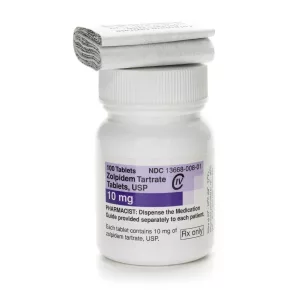
The following figure illustrates Xanax pills among other medications, which is relevant when discussing interactions and risks of combining multiple drugs.
 St. John’s wort, sometimes used for depression. Taking St. John’s wort with Xanax may lower Xanax levels in the body, potentially reducing its effectiveness.
If you use St. John’s wort, discuss this with your clinician before starting Xanax. They may suggest stopping the supplement during Xanax therapy.
Xanax interactions with vitamins
There are currently no reports of Xanax interacting with vitamins. That said, future interactions could be identified.
For that reason, still check with your clinician or pharmacist before combining vitamins with Xanax.
Does Xanax interact with food?
Eating grapefruit or drinking grapefruit juice while taking Xanax can increase Xanax levels in your system and raise the likelihood of side effects. For this reason, clinicians usually recommend avoiding grapefruit products during Xanax treatment.
If you’re unsure which foods are safe while taking Xanax, ask your clinician.
Does Xanax interact with vaccines?
Currently, there are no reports of vaccines interacting with Xanax. If you’re concerned about vaccinations while on Xanax, speak with your clinician.
Does Xanax interact with lab tests?
There are no specific reports of Xanax affecting lab tests. Nonetheless, always inform your clinician that you take Xanax before undergoing any lab work.
Does Xanax interact with cannabis or CBD?Cannabis (marijuana) and cannabis-derived products such as cannabidiol (CBD) have been specifically reported to interact with Xanax. Taking Xanax with cannabis can heighten the risk of Xanax side effects; therefore, clinicians generally advise avoiding cannabis while on Xanax. Before beginning Xanax, tell your clinician and pharmacist if you use cannabis to help prevent possible interactions. Note: Cannabis remains illegal federally in the U.S., though it is legal in many states to varying degrees.
Does my health history affect whether I should take Xanax?
Certain medical conditions or other health factors can increase the risk of interactions with Xanax. Discuss your medical history with your clinician before taking Xanax so they can determine if it’s appropriate for you.
Health conditions or factors that may interact with Xanax include:
Older age: If you’re 65 or older, your risk of Xanax side effects may be higher. These can include dizziness, drowsiness, and balance issues, which may increase fall risk. Clinicians typically prescribe a lower Xanax dose for older adults.
Kidney problems: Kidney impairment can reduce elimination of Xanax, causing accumulation and raising side effect risk. If you have kidney disease, consult your clinician; they may choose a lower dose.
Liver problems: Liver impairment can hinder Xanax metabolism, leading to accumulation and higher side effect risk. Tell your clinician if you have liver disease; they may prescribe a reduced dose.
Breathing problems: Xanax can slow breathing. If you have respiratory issues, Xanax may worsen them. Discuss breathing problems with your clinician to determine if Xanax is appropriate.
Pregnancy: Safety of Xanax in early pregnancy is unclear. Use during the third trimester (29–40 weeks) or during labor can harm a newborn.
Potential problems in a newborn include:
- withdrawal symptoms, such as prolonged crying, irritability, and tremors
- slowed breathing
- excessive sleepiness
- feeding difficulties
- floppiness (limpness)
If you are pregnant or planning pregnancy, discuss risks and benefits with your clinician before starting Xanax. If your clinician prescribes Xanax during pregnancy, they may suggest enrolling in a pregnancy registry for psychiatric medications to help gather safety information.
For more on the pregnancy registry, consult your clinician, visit the registry website, or call 866-961-2388.
Breastfeeding: Breastfeeding while taking Xanax is not considered safe. Xanax passes into breast milk and may harm an infant, causing:
- excessive sleepiness
- feeding problems
- low weight gain
- withdrawal symptoms such as irritability, crying, and sleep disturbances
If you plan to breastfeed or are currently breastfeeding, discuss alternatives with your clinician before starting Xanax.
Allergic reaction: If you’ve had an allergic reaction to Xanax or any ingredient in the product, your clinician will likely avoid prescribing it. Ask about alternative therapies.
Bipolar disorder or depression: Benzodiazepines, including Xanax, can worsen depression and may precipitate manic episodes in those with bipolar disorder. Panic disorder is sometimes associated with depressive symptoms.
Tell your clinician if you have a history of depression or bipolar disorder. They’ll advise whether Xanax is an appropriate option. If Xanax is used in these patients, clinicians will monitor closely for worsening depression and suicidal thoughts.
Help is out there
If you or someone you know is in crisis and thinking about suicide or self-harm, seek immediate support:
- Call or text the 988 Suicide and Crisis Lifeline at 988 or chat at 988lifeline.org. Trained counselors are available 24/7 to provide free, confidential support.
- Text HOME to the Crisis Text Line at 741741 to connect with a volunteer crisis counselor for free and confidential assistance 24/7.
- Outside the United States? Find a helpline in your country via Befrienders Worldwide.
- Call 911 or your local emergency number if it is safe to do so.
If you’re calling on someone else’s behalf, stay with them until help arrives. If possible and safe, remove weapons or substances that could cause harm.
If you’re not in the same location, remain on the phone with them until help arrives.
Common questions about Xanax and interactions
Answers to frequently asked questions about Xanax and interactions.
Can I take Zoloft and Xanax together?
Yes — it’s generally considered safe to take Zoloft (sertraline) and Xanax together. There are currently no reports of interactions between these two drugs.
Zoloft is an SSRI used to treat depression, anxiety, and other conditions. Note that fluoxetine (Prozac), another SSRI, does interact with Xanax.
Prozac can cause Xanax to accumulate in your body, which may increase Xanax side effect risk.
If you have concerns about potential interactions with your medications, consult your clinician.
Does Xanax interact with lisinopril?
No, there are no known interactions between lisinopril and Xanax.
Lisinopril is an ACE inhibitor commonly used for high blood pressure.
However, some blood pressure medications called calcium channel blockers do interact with Xanax. Examples include diltiazem (Cardizem) and verapamil (Calan SR, Verelan).
Diltiazem and verapamil can reduce your body’s ability to metabolize Xanax, potentially causing Xanax to build up and increasing side effect risk.
Discuss all of your medications with your clinician before starting Xanax so they can advise on safety.
Is it safe to take Wellbutrin and Xanax together?
Yes. In many cases, it is safe to take Wellbutrin (bupropion) and Xanax together.
Keep in mind that Wellbutrin can raise seizure risk, and abruptly stopping benzodiazepines (including Xanax) also increases seizure risk. Therefore, you should not start Wellbutrin if you have recently stopped Xanax suddenly. Xanax can also exacerbate depression, which Wellbutrin treats.
Consult your clinician if you have questions about combining Wellbutrin and Xanax.
Note: Wellbutrin is available in SR and XL forms; the guidance here applies to both.
How can I prevent interactions?
Steps you can take to minimize the chance of interactions with Xanax. Before beginning treatment, speak with your clinician and pharmacist. Topics to discuss include:
- Whether you consume alcohol or use cannabis. See also xanax and weed.
- All medications you take, plus any vitamins, supplements, and herbs. Your clinician or pharmacist can help you complete a Frequently Asked Questions
Can I drink alcohol while taking Xanax?
No. Combining alcohol with Xanax can cause severe central nervous system depression, increasing risks of extreme drowsiness, slowed breathing, coma, or death.
Which medications most commonly interact with Xanax?
Drugs that commonly interact include opioids, certain antifungals and antibiotics (like ketoconazole, clarithromycin), some seizure drugs, ritonavir, and other CNS depressants.
Does grapefruit affect Xanax?
Yes. Grapefruit or grapefruit juice can raise Xanax levels in the body, increasing the likelihood of side effects, so clinicians usually advise avoiding it.
Can herbal supplements like St. John’s wort or valerian interact with Xanax?
Yes. St. John’s wort may lower Xanax levels, and sedative herbs such as valerian or melatonin can add to drowsiness when taken with Xanax.
If I have liver or kidney problems, is Xanax safe?
People with liver or kidney impairment may accumulate more Xanax and face higher side effect risk. Clinicians often use lower doses or choose alternatives and monitor closely.
[/faq]
Disclaimer: This article is for informational purposes only and is not intended as medical advice. Please consult a healthcare professional for any health concerns.
Related Post
ADVERTISEMENTRelated tags for:
Latest News




















Leave a Reply
You must be logged in to post a comment.