
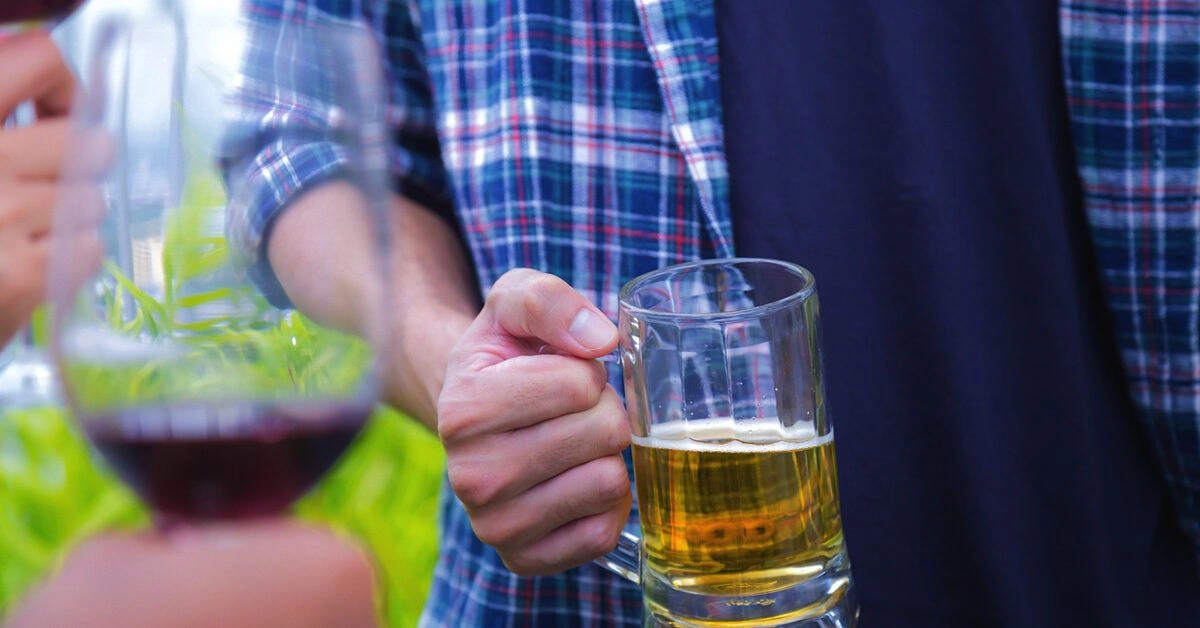
Alcohol can lead to facial puffiness and inflammation in the digestive system. Bloating is often worsened when alcoholic beverages are mixed with sugary or fizzy mixers.
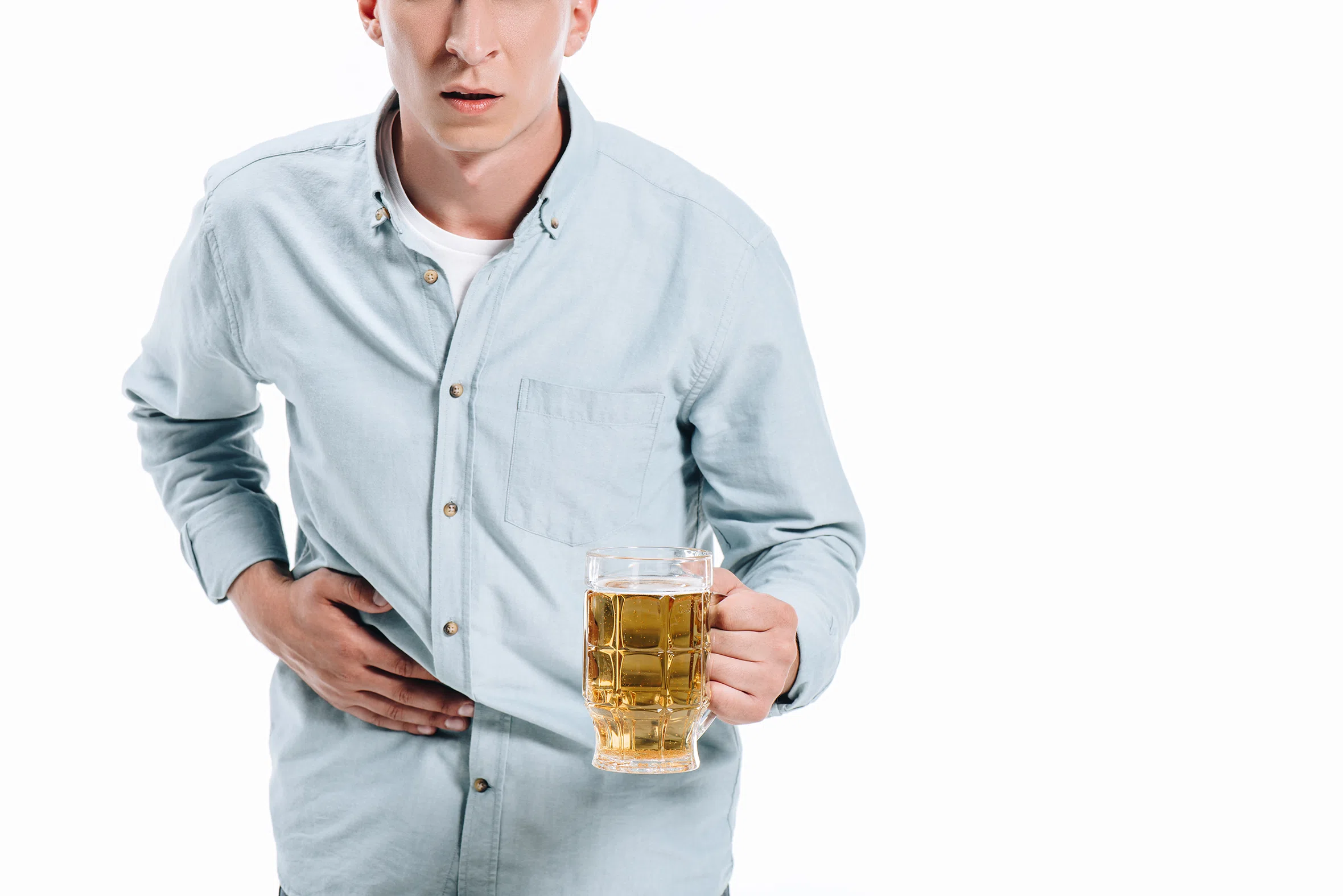
What is alcohol-related bloating?
Have you ever woken up with a swollen face or noticed your body feels puffy after a night of drinking? Bloating is one of the most frequent effects alcohol can have on the body.
Many people recognize the phrase “beer belly,” which refers to the persistent abdominal fat that tends to accumulate around the midsection in regular drinkers.
All varieties of alcohol — beer, wine, spirits, etc. — are fairly calorie-rich, containing about 7 calories per gram. Mix in added ingredients like sugar and the calorie content rises even further.
What triggers alcohol bloating?
Those extra calories make it easy to gain weight if you drink often. Depending on the beverage, a single drink can range from around fifty to several hundred calories.
Beyond weight gain, alcohol can irritate the gastrointestinal tract, producing bloating.
Alcohol is a substance that promotes inflammation, meaning it can cause swelling throughout the body. This inflammatory effect is often amplified by common mixers such as sugary or carbonated drinks, leading to gas, discomfort, and greater bloating.
After drinking, you may also notice facial swelling accompanied by redness. This is a result of alcohol-induced dehydration.
When the body becomes dehydrated, the skin and internal organs try to retain water, which can cause puffiness in the face and other areas.
How can you treat alcohol bloating?
If you’ve noticed weight gain or recurrent bloating when you drink, reducing your alcohol intake is worth considering.
According to the 2020–2025 U.S. Dietary Guidelines, recommended alcohol limits are up to two drinks per day for men and up to one drink per day for women. A standard drink is defined as:
- 12 ounces of beer (approximately 5% alcohol)
- 8 ounces of malt liquor (around 7% alcohol)
- 5 ounces of wine (about 12% alcohol)
- 1.5 ounces of distilled spirits (80-proof, or roughly 40% alcohol)
The body can only process a certain amount of alcohol each hour. How quickly you metabolize alcohol varies by age, weight, sex, and other individual factors.
Monitoring your drinking, eating a balanced diet, and maintaining regular exercise can help you avoid developing a beer belly.
Can alcohol bloating be prevented?
If you’ve been drinking, consuming water can quickly help reduce bloating in your face and abdomen.
Drinking water before, during, and after alcohol consumption can lessen its inflammatory impact. If you begin to feel bloated while drinking, switch to water.
Other strategies to prevent bloating include:
- Eating and drinking more slowly to cut down on swallowed air, which contributes to bloating.
- Avoiding carbonated beverages and beer, since they release carbon dioxide that increases bloating.
- Not chewing gum or sucking hard candy, which can cause you to ingest extra air.
- Quitting smoking, as smoking also leads to inhaling and swallowing air.
- Ensuring dentures fit properly, because ill-fitting dentures may cause you to swallow excess air.
- Exercising after meals or drinks to help reduce bloating.
- Addressing heartburn issues, as heartburn can worsen bloating.
- Cutting back on or eliminating gas-producing foods, such as dairy, fatty foods, high-fiber items, artificial sweeteners, beans, peas, lentils, cabbage, onions, broccoli, cauliflower, whole grains, mushrooms, certain fruits, beer, and fizzy drinks.
- Trying an over-the-counter gas remedy to alleviate bloating.
- Considering digestive enzymes and/or probiotics to aid digestion and support healthy gut bacteria, which may reduce bloating. Shop now for digestive enzymes and probiotics.
What other effects does alcohol have?
Apart from bloating, remember that alcohol should be consumed in moderation. Excessive drinking can harm your body.
Heavy alcohol use can damage the brain and liver, raise the risk for various cancers, and increase the likelihood of fatal outcomes from car crashes, injuries, homicides, and suicide. Alcohol can also harm a developing fetus if consumed during pregnancy.
When should you seek help for drinking?
If you find you’re drinking more than you intend or feel unable to control your alcohol use, seek medical assistance.
Alcohol misuse is a serious issue, but help is available. Talk to your doctor right away if you are worried.



















Leave a Reply
You must be logged in to post a comment.