

Stress may trigger inflammation, muscle tightness, and spasms in your back.

Back pain ranks among the most prevalent health complaints, impacting millions worldwide.
Beyond obvious physical causes (like a strained muscle or a slipped disc), stress can also initiate or intensify back pain. The connection between stress and back pain is intricate and bidirectional.
How are stress and back pain connected?
Evidence indicates that persistent stress can contribute to long-term pain, and the reverse is also true. For many individuals, this manifests as back pain.
A 2021 study found that ongoing stress can disrupt cortisol function and impair inflammatory regulation. Altered cortisol and inflammatory responses may lead to oxidative stress, free radical damage, cellular injury or premature aging, and tissue breakdown — all of which can promote chronic pain.
Further research demonstrates that stress directly influences how pain is processed by the body.
In general, stress can contribute to back pain through several mechanisms:
- Muscle tightness: Stress often causes back muscles to contract, producing stiffness and discomfort.
- Heightened pain sensitivity: Stress can increase the body’s sensitivity to pain. Studies show that major life events can alter limbic system activity and neurotransmitter balance, affecting pain inhibition pathways.
- Inflammatory responses: Chronic stress can provoke widespread inflammation, including in the spine, which may result in pain.
- Poor posture: Stress often changes breathing patterns and causes the shoulders to hunch, placing extra strain on the mid and upper back.
- Decreased circulation: During stressful periods, blood vessels can narrow, reducing blood flow to back muscles and triggering discomfort.
An analysis of 8,473 participants reported that severe stress was associated with a 2.8-times higher risk of chronic low back pain compared with the general population.
Another study of 77 police investigators found a significant association between stress and upper musculoskeletal pain, although that particular research did not link stress to lower back pain.
What does stress-related back pain feel like?
Back pain caused by stress can differ between individuals and often varies by location.

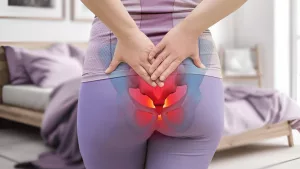
Lower back pain commonly presents as a dull or sharp ache, stiffness, or muscle spasms, and it may radiate into the buttocks or legs.
Upper back pain may feel burning, stabbing, or like tightness or pressure between the shoulder blades. In some instances, it can produce pain that extends into the arms or chest.
How to recognize if your back pain is stress-related
Identifying stress as the root of back pain can be difficult because many factors can cause back discomfort. Still, certain clues can suggest a stress origin:
- Physical or emotional strain: If you’ve been under significant physical or emotional pressure — for example, from a demanding job or a troubled relationship — your back pain might stem from stress.
- Slow, gradual onset: Pain that develops gradually rather than suddenly may indicate muscle tension from chronic stress.
- Absence of other symptoms: If you lack symptoms such as numbness, tingling, or weakness and the pain is not severe, stress may be the culprit.
- Intermittent pain: Stress-related pain can fluctuate with your stress levels, while pain from an injury or structural problem tends to be more constant.
- Improvement with stress reduction: If techniques that lower stress — like exercise or deep breathing — ease your pain, stress is likely involved.
How long does stress-driven back pain last?
The length of stress-related back pain varies. It may resolve on its own within days or weeks for some people. But if the underlying stress persists, the pain can linger or worsen.
Some studies suggest stress can predict later back pain. A study of 588 people over a 2-year follow-up identified certain stress-related factors as predictors of pain intensity and disability, including:
- tendency to worry
- social isolation
- interpersonal conflicts
- perceived chronic stress
Ways to relieve stress-related back pain
Several strategies can help reduce back pain tied to stress, such as:
- Analgesics: Nonprescription pain medications like ibuprofen (Advil) or acetaminophen (Tylenol) may provide relief and lower inflammation.
- Heat treatment: Applying heat to the painful area can relax muscles and ease discomfort. Use a heating pad, hot water bottle, or take a warm bath.
- Massage: Massaging the sore area can reduce muscle tension and pain. Try self-massage techniques or consult a licensed massage therapist.
- Stretching: Stretches aimed at the lower back — for example, knee-to-chest or cat-cow exercises — can relieve muscle tightness.
Stress-reduction tips
Helpful approaches to lower stress include:
- Regular physical activity: Exercise helps preserve joint and muscle health and supports mental well-being.
- Healthy eating: A balanced diet rich in fruits and vegetables can decrease inflammation and improve overall wellness.
- Relaxation practices: Deep breathing, meditation, and progressive muscle relaxation can reduce stress and promote calm.
- Maintain social connections: Support from friends and family is important for managing stress. Spend time with loved ones or consider joining a support group.
- Mindfulness: Being present and observing thoughts and emotions without judgment can help reduce stress reactions.
- Prioritize sleep: Adequate sleep helps lower stress and allows muscles time to recover.
Bottom line
Stress and back pain are closely linked and can considerably affect daily life. Regular movement, stretching, and attention to posture can ease back discomfort, while stress-management practices like meditation and paced breathing can lower stress levels.
If you suspect your back pain is stress-related, consider consulting a healthcare professional — such as a physical therapist or counselor — who can offer guidance and support for managing both stress and pain.




















Leave a Reply
You must be logged in to post a comment.