

A tiny amount of sunflower oil can help your hair appear and feel softer, shinier, and smoother.
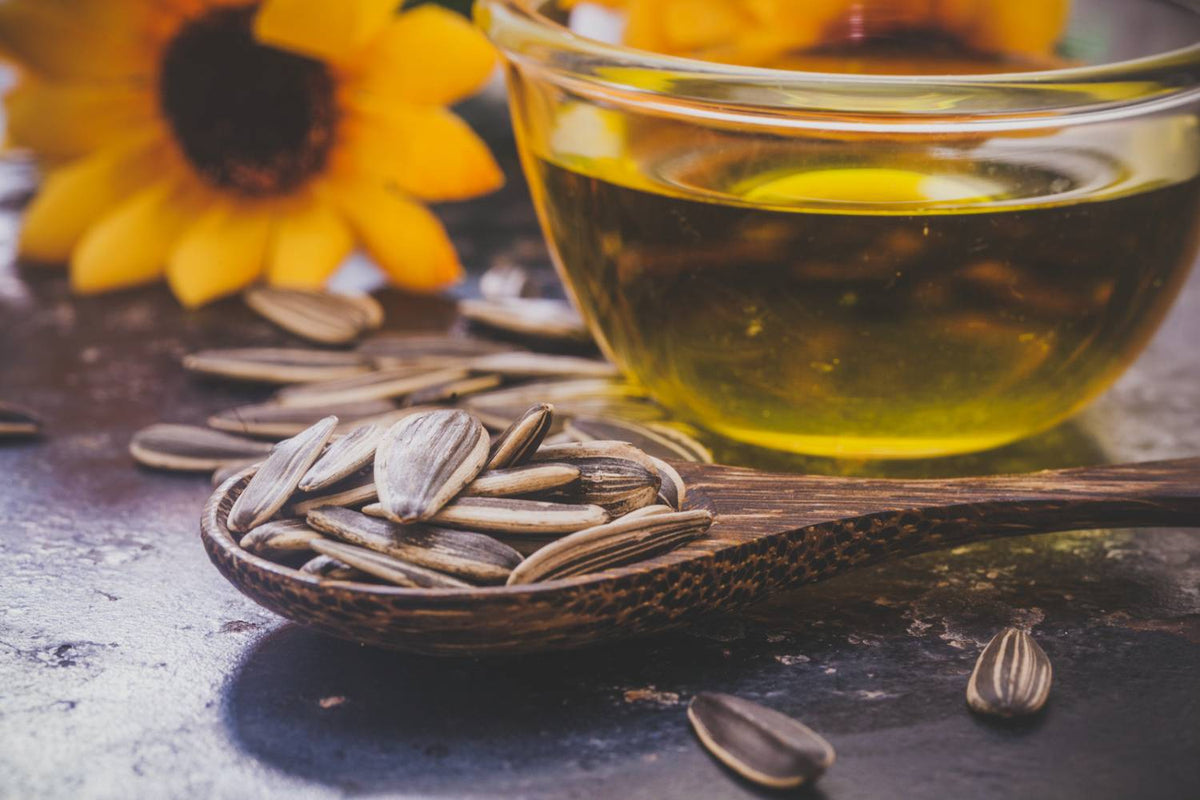
While commonly used in cooking, edible sunflower oil is also applied for skin and hair care. The fatty acids and antioxidants in sunflower oil make it a useful choice for hair that’s dry or lackluster.
Some research suggests coconut oil may be more effective for repairing damaged hair. Still, if you’re reaching for sunflower oil, here’s what to know about using it on your hair.
Advantages of sunflower oil for hair
Sunflower oil can be beneficial for dry hair. The oil contains significant amounts of:
- vitamin E
- oleic acid
- linoleic acid
- sesamol
Vitamin E and sesamol (found in sesame oil) are antioxidants that can support hair health. They may help neutralize free radicals that could harm the hair and scalp.
Sunflower oil also has oleic acid, which can reduce hair breakage and may give the impression of quicker hair growth since the ends are less likely to split off.
It possesses anti-inflammatory traits that may soothe dandruff and ease an itchy scalp.
Many people report that their hair feels more moisturized after applying sunflower oil, as it can help hair retain hydration. Oiling hair can smooth split ends and make strands softer and simpler to manage.
Because sunflower oil is lightweight, a small amount can be applied to dry hair to tame frizz.
Ways to use sunflower oil on your hair
There are several methods for using sunflower oil on hair, depending on the result you want.
If you have other oils at hand, you can blend them for a luxurious treatment. Many commercial products—shampoos, conditioners, leave-in sprays, and masks—also include sunflower oil.
People use sunflower oil for general hair wellness, as a deep-conditioning mask, or to smooth frizz and boost shine.
Below are four techniques to try at home:
| Method | Directions |
|---|---|
| Scalp treatment | Take a small amount of sunflower oil and massage it into your scalp (on wet or dry hair). Distribute it through the lengths with a comb. Wrap your hair in a warm towel and leave for at least 30 minutes, then shampoo and condition as usual. |
| Hair mask | Create a DIY mask with 1/2 avocado or banana (or both), honey, coconut or olive oil, and sunflower oil. |
| Frizz control | Rub a pea-sized drop of sunflower oil between your palms, then smooth it over areas with frizz. |
| Conditioner | For a richer conditioner, mix a dime-sized amount of sunflower oil into your regular conditioner. Apply and rinse as normal; if hair feels greasy afterward, you may need to rinse a second time. |
Precautions when using sunflower oil
Sunflower oil is typically safe for topical use. However, avoid it if you have a sunflower seed allergy.
Using too much oil or not rinsing well can leave your hair looking greasy, which usually just means you need to wash it again. Warm water and thorough rinsing help remove leftover oil.
Avoid applying excessive oil and then using heat styling, as the oil can become hot and potentially damage the hair shaft.
When trying the oil for the first time, it’s wise to test a small area on your skin before applying it to your entire scalp.
Patch test
To perform a patch test, follow these steps:
- Put a drop of sunflower oil on a small patch of skin on your arm.
- Wait 24 hours.
- Look for redness, irritation, swelling, or itching. If none appear, the oil is likely safe to use.
The takeaway
Adding sunflower oil to your beauty routine can make hair look smooth and shiny. For most people, it’s a low-risk treatment that can enhance hair’s appearance.
There’s limited research on sunflower oil’s direct ability to strengthen hair, so further studies are needed. Nonetheless, many users report improved softness and shine after using sunflower oil.
Sunflower oil is inexpensive, gentle on hair, and already an ingredient in many reputable hair care products on the market.




















Leave a Reply
You must be logged in to post a comment.