Does Frequent Ejaculation Reduce Your Risk for Prostate Cancer?


Overview
There’s encouraging news in the area of prostate cancer prevention. Research suggests that men who ejaculate frequently may experience a lower risk of developing prostate cancer. Just how often qualifies as frequent? A study conducted at Harvard Medical School reports 21 times per month. Likewise, an Australian study indicates seven times per week may be beneficial.
However, there’s an important caveat. One study suggests that this protective effect may apply only to men age 50 and older.
As discussions about prostate health continue, many men also wonder, How long does ejaculation affect PSA levels and whether sexual activity could influence prostate cancer screening results. Understanding the connection between ejaculation, prostate-specific antigen (PSA), and long-term prostate health is essential before drawing conclusions.
Read on to explore what current research reveals about this potential link and how it may relate to PSA testing and overall prostate wellness.
What the research says
Reducing cancer risk often involves limiting certain behaviors, so it may come as welcome news that something many men find pleasurable could potentially lower prostate cancer risk.
Scientists do not fully understand why frequent ejaculation might offer protective benefits against prostate cancer. One hypothesis proposes that ejaculation helps clear the prostate gland of substances that could contribute to cancer development, including infection-related materials and inflammatory compounds. Chronic inflammation has long been associated with various cancers, including prostate cancer.
Although multiple studies support a protective association, the topic remains debated. Some research has produced conflicting findings . Much of the disagreement centers on the age at which ejaculation frequency may influence risk.
A 2008 study reported that men were more likely to develop prostate cancer if they were highly sexually active in their twenties and thirties. It also found no definitive evidence that masturbation carried a different risk compared to intercourse.
In contrast, the Harvard study did not confirm the age-specific risk noted in 2008. It observed no increased prostate cancer risk based on age at ejaculation, though it did suggest that protective benefits may become more pronounced as men grow older. Similarly, the Australian study found reduced prostate cancer risk when frequent ejaculation occurred during young adulthood.
It’s important to note that ejaculation does not appear to protect against advanced or aggressive prostate cancer. The potential benefit seems more closely related to overall incidence rather than disease severity.
Because PSA testing is widely used for prostate cancer screening, men frequently ask How long does ejaculation affect PSA results before a blood test. Ejaculation can temporarily raise PSA levels, which may lead to mildly elevated readings. For more detailed guidance, see How long to wait for PSA test after ejaculation. Additional research is still needed to clarify both the cancer-prevention link and the precise biological mechanisms involved.
How much is your risk reduced?
An 18-year Harvard study involving nearly 30,000 health professionals found that prostate cancer risk decreased by 20 percent among men who ejaculated 21 times per month compared to those who ejaculated four to seven times monthly.
The comparable Australian study reported a 36 percent reduction in risk when men ejaculated seven times per week.
While these figures are promising, they do not establish direct causation. Lifestyle, hormonal levels, and overall health behaviors may also play contributing roles. Therefore, ejaculation frequency should be viewed as one possible factor within a broader prostate health strategy.
Are you at risk for prostate cancer?
Prostate cancer is the second most common cancer affecting men, with skin cancer ranking first. In the United States, approximately one in seven men will be diagnosed with prostate cancer during their lifetime.
Several factors influence prostate cancer risk:
- age: men over age 50 face a higher risk of prostate cancer
- race: prostate cancer occurs more frequently among African American men
- genetics: having a close relative with prostate cancer increases your risk
- weight: obesity may raise the likelihood of developing more advanced prostate cancer
- activity level: physical inactivity has been associated with higher risk in some men
- diet: consuming a diet high in animal and dairy fat and low in fiber, fruits, and vegetables may elevate risk
- height: taller men may be more likely to develop prostate cancer
- chemical exposure: exposure to Agent Orange increases prostate cancer risk, according to the U.S. Department of Veterans Affairs
&srotate=0)
Your risk may also be higher if you have had sex with 30 or more women or if you have had a sexually transmitted disease. This could relate to sexual behavior patterns or possibly higher levels of male hormones, which may act as a contributing risk factor.
Because PSA screening plays a key role in early detection, understanding factors that influence PSA is crucial. Men often search for How long does ejaculation affect PSA before scheduling a blood test. Temporary PSA elevations from recent ejaculation can lead to unnecessary concern or additional testing. If you are preparing for screening, you may also want to review How to lower PSA before test for evidence-based strategies that support accurate results.
Ways to reduce your risk
The exact causes of prostate cancer remain unclear. Nevertheless, evidence suggests that healthy lifestyle choices may offer protective benefits. Consider taking the following steps:
- limit consumption of red meat, animal fats, and high-fat dairy products
- increase intake of fruits and vegetables rich in antioxidants and fiber
- maintain a healthy weight through regular physical activity
- for men diagnosed with prostate cancer, regular aspirin use may slow disease progression
A balanced diet that includes tomatoes (rich in lycopene), leafy greens, whole grains, and healthy fats such as those found in fish may contribute to overall prostate health. Routine medical checkups, informed PSA screening decisions, and discussions with your healthcare provider are equally important components of prevention.
Learn more: 9 tips to prevent prostate cancer »
Outlook
Sex and masturbation offer multiple health benefits. They can help relieve stress, promote cardiovascular health, and support better sleep quality. Many men fall asleep faster and experience deeper rest after sexual activity.
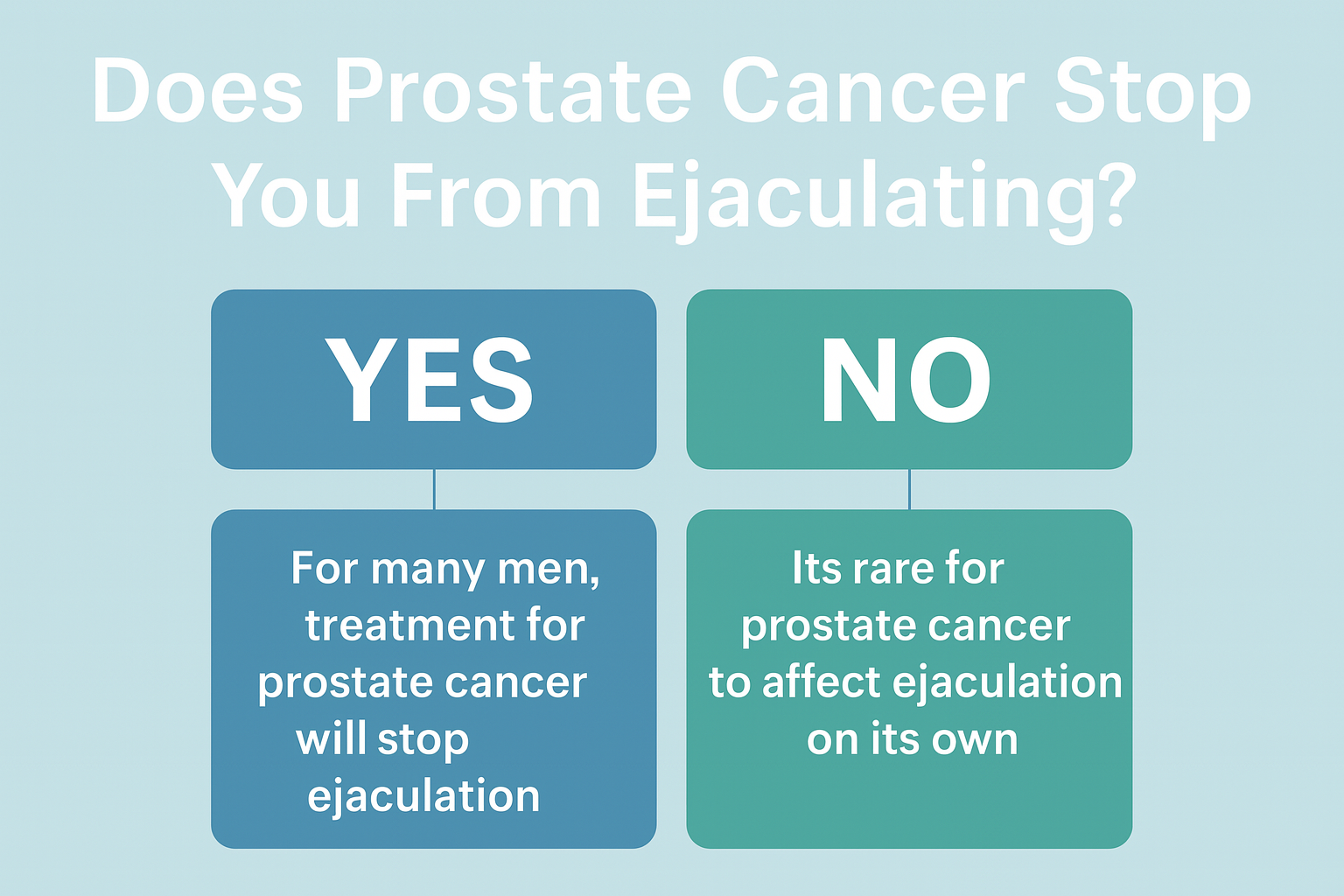
Emerging research indicates that frequent ejaculation may also provide some protection against prostate cancer, particularly for men age 50 and older. At the same time, understanding How long does ejaculation affect PSA levels is important when planning prostate cancer screening to ensure accurate test results.
Maintaining open communication with your healthcare provider, staying informed about PSA fluctuations, and adopting a healthy lifestyle can collectively support long-term prostate health.
Learn more: The health benefits of sex »
Common FAQs
Ejaculation can cause a temporary increase in PSA levels, which may last for 24 to 48 hours before returning to baseline.
Some studies suggest men who ejaculate frequently, such as 21 times per month, may have a lower overall risk of developing prostate cancer, particularly as they age.
To avoid a falsely elevated PSA reading, it is generally recommended to abstain from ejaculation for at least 24 to 48 hours before undergoing a prostate-specific antigen blood test.
Yes, recent ejaculation can temporarily raise PSA levels, which might lead to unnecessary concern or additional follow-up testing if the elevation is mistaken for a potential sign of cancer.
Research shows a protective association, but it is not conclusive proof of causation. Other factors like age, lifestyle, and overall health also play significant roles in prostate cancer risk.




Related Posts
Dacryocystitis
Aug 25, 2026 • 17 min read
Arbonne Diet Review: Overview, Effectiveness, and More
Aug 9, 2026 • 27 min read
Boxer’s Fracture
Sep 7, 2026 • 10 min read
What You Need to Know About Snap-In Dentures
Aug 12, 2026 • 12 min read
Side Effects of Brixadi: What You Need to Know
Aug 28, 2026 • 22 min read