
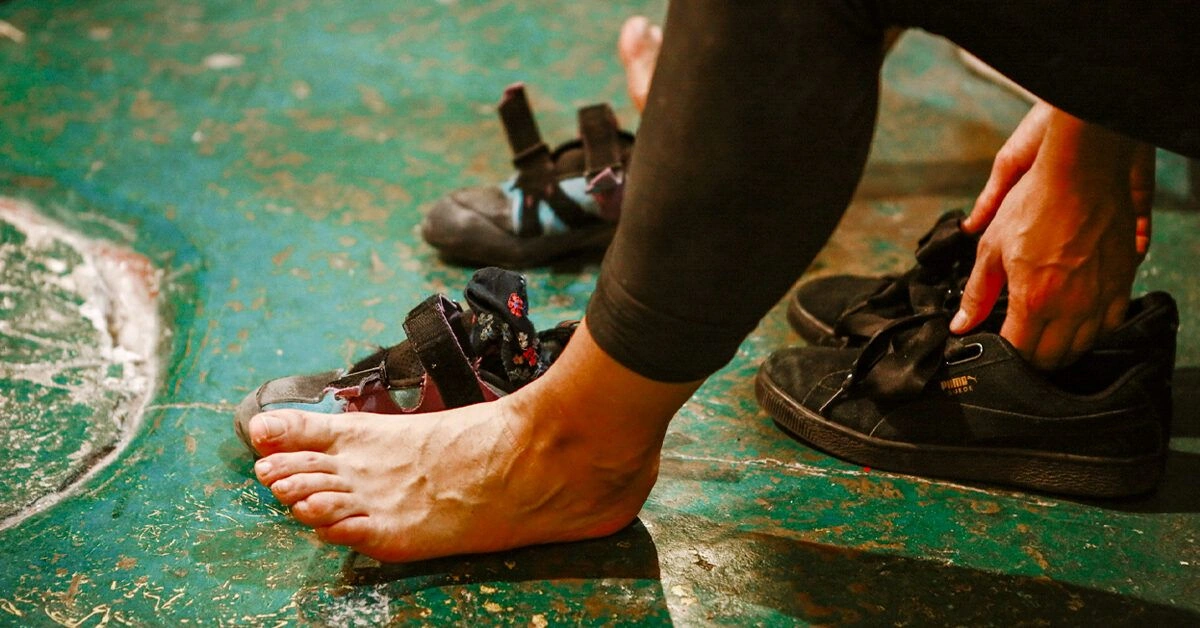
Candidiasis, scalp ringworm, jock itch, and athlete’s foot are all forms of fungal skin infections. In certain situations, oral antifungal medications may be necessary to fully clear the infection.
What is a fungal skin infection?
Fungi are present virtually everywhere in our environment. They live in soil, circulate in the air, and even reside inside the human body. These microscopic organisms can also be found on plants, household surfaces, and the skin. Under normal conditions, they usually coexist without causing harm. Problems arise when they multiply excessively or enter the skin through a cut, abrasion, or other lesion.
Because fungi flourish in warm, moist settings, fungal skin infections frequently develop in sweaty or damp areas with limited airflow. Common sites include the feet, groin, and skin folds.
These infections often present as a scaly rash or areas of discolored, itchy skin. While many people explore alternative remedies and even ask, Does UV light kill yeast on skin, it’s important to understand that proven medical treatments remain the cornerstone of safe and effective care.
You can contract a fungal skin infection through direct contact with fungi found on:
- another person
- an animal
- objects such as clothing
- gyms
- gym mats, including those used for wrestling
- hot tubs
- saunas and steam rooms
Many fungal skin infections are common. Although they may be uncomfortable and contagious, they’re generally not serious unless you’re immunocompromised.
Did you know? Although there are millions of fungal species, only a few hundred can cause infections in humans, according to the Centers for Disease Control and Prevention (CDC). Of these, only a small number are dermatophytes, which affect the skin, nails, and hair. Nondermatophyte fungi more commonly involve areas such as the lungs or brain, though they can also infect nails.
Types of fungal skin infections and their treatments
A variety of fungal infections can involve the skin, each with distinct features and treatment approaches.
Yeast infection (Candida skin infection)
Yeast is a subtype of fungus.
A yeast known as Candida naturally lives on the skin and within the body. When it overgrows, it can trigger an infection, including on the skin’s surface. The most common species is Candida albicans.
Other terms used for a yeast infection of the skin include:
- a Candida skin infection
- a candidal skin infection
- cutaneous candidiasis
- candidiasis of the skin
These infections typically arise in warm, moist, poorly ventilated areas, such as beneath the breasts or within the folds of the buttocks, including certain forms of diaper rash.
Symptoms may include:
- a red or discolored rash
- itching
- stinging
- burning
- small acne-like bumps surrounding the rash
Other yeast infections Mucous membranes are also common sites for fungal infections. Examples include vaginal yeast infections and oral thrush.
How it’s diagnosed
A primary care doctor can often diagnose a yeast infection during a physical exam. They may also collect a skin swab for culture to confirm that yeast is responsible for your symptoms.
If evaluated by a dermatologist, a skin scraping may be examined under a microscope to identify Candida growth.
How it’s treated
Keeping the affected area clean and dry is a key component of treatment.
Some mild infections resolve without intervention. Prescription and over-the-counter (OTC) antifungal medications are also available. These agents either kill fungi directly or inhibit their growth.
Topical options include:
- clotrimazole
- econazole
- ketoconazole
- nystatin
- oxiconazole
To relieve itching, a corticosteroid cream such as hydrocortisone may be used.
Powders can assist in keeping the skin dry. Apply them 2 to 3hours before or after creams.
If symptoms persist, a doctor may prescribe oral antifungal medications such as:
- fluconazole (Diflucan)
For diaper rash, zinc oxide creams from brands like A+D, Balmex, Desitin, and Triple Paste may help soothe irritation. Frequent diaper changes and the use of disposable diapers can also improve symptoms.
Some people researching adjunctive therapies may wonder about light-based approaches or ask Does UV light kill yeast on skin. While certain light therapies are being studied for fungal conditions, standard antifungal medications remain the recommended first-line treatment for Candida infections.
Ringworm of the body (tinea corporis)
Ringworm is a widespread fungal infection of the skin. It is highly contagious but generally not dangerous.
Despite the name, ringworm is caused by a fungus rather than a worm. When it appears on the torso or limbs, it is referred to as ringworm of the body (tinea corporis). Similar infections in other areas are known as jock itch or athlete’s foot.
The hallmark sign is a circular, ring-shaped rash with slightly raised borders. The skin in the center often appears normal. The rash may expand outward and is commonly itchy.
Ringworm can spread through contact with infected animals, shared gym equipment, or close skin-to-skin interaction.
How it’s diagnosed
A doctor can frequently diagnose ringworm based on appearance or by performing a skin scraping.
In some cases, a fungal culture is ordered to confirm the diagnosis.
How it’s treated
Localized infections often respond to topical antifungal medications such as:
- clotrimazole (Lotrimin AF Ringworm Cream)
- econazole
- ketoconazole (Extina, Ketozole)
- luliconazole (Luzu)
- naftifine
- oxiconazole (Oxistat)
- sulconazole (Exelderm)
- terbinafine (Lamisil AT Cream, Silka Antifungal Cream)
For deeper or more extensive infections, oral antifungals may be prescribed, including:
- fluconazole (Diflucan)
- itraconazole (Sporanox)
- terbinafine
If you think you have ringworm
If you suspect ringworm, avoid using OTC antifungal creams before obtaining a confirmed diagnosis.
Early use of these products can make it more difficult to detect the fungus under a microscope.
According to the Centers for Disease Control and Prevention (CDC), OTC antifungal products are not effective for ringworm of the scalp (tinea capitis), which requires prescription treatment.
Ringworm of the scalp (tinea capitis)
This infection affects the scalp and hair shafts and is most common in children and teens 3 to 14 years old.
It can spread from animals, soil, or shared personal items like hats and hairbrushes.
Symptoms may include:
- broken hair shafts
- scaly or red bald patches
- itching and scaling
- tender or painful areas
- oozing or crusted patches
- permanent hair loss in severe cases
It may resemble intense dandruff and can also cause fever or swollen lymph nodes in the neck.
How it’s diagnosed
A physical examination is typically sufficient. A skin lesion KOH exam, which mixes skin scrapings with potassium hydrochloride (KOH), helps confirm fungal presence.
How it’s treated
Prescription oral antifungals are required, such as:
- fluconazole (Diflucan)
- griseofulvin (Fulvicin, Gris-PEG), often the drug of choice and safe for children
- itraconazole (Sporanox)
- terbinafine
All household members should use an antifungal shampoo like ketoconazole shampoo (Nizoral Anti-Dandruff Shampoo) to reduce spread.
Fungal skin rash
Because rashes are a frequent symptom of fungal infections, these conditions are often described as fungal skin rashes. One exception is onychomycosis, which usually does not cause a rash.
Risk factors for fungal skin infections
Factors that increase risk include:
- living in a warm or humid climate
- excessive sweating
- poor skin hygiene
- sharing clothing, towels, or bedding
- wearing tight, non-breathable clothing or footwear
- frequent skin-to-skin contact in sports
- contact with infected animals
- a weakened immune system due to immunosuppressant drugs, cancer treatment, or conditions such as HIV or AIDS
Prevention of fungal skin infections
To lower your risk:
- Maintain good hygiene.
- Avoid sharing personal items.
- Wear clean socks and underwear daily.
- Choose breathable fabrics and properly fitting shoes.
- Dry your skin thoroughly after bathing or swimming.
- Wear sandals in locker rooms.
- Disinfect shared gym equipment.
- Avoid animals with signs of fungal infection.
If you’re exploring preventive strategies and wondering Does UV light kill yeast on skin or whether ultraviolet exposure can prevent fungal growth, keep in mind that excessive UV exposure carries risks such as skin damage and increased skin cancer risk. Evidence-based hygiene practices and appropriate antifungal treatments are safer and more reliable.
For more insight into light-based therapies and fungal care, see Does uv light kill fungus on skin.
When to contact a doctor
Fungal skin infections are common and typically manageable.
However, they can cause significant discomfort due to itching, redness, or scaling. Without proper treatment, a rash may spread or worsen.
Many infections improve with OTC antifungal products. Consult a doctor if you:
- have an infection that does not improve, worsens, or recurs after OTC treatment
- notice hair loss with itching or scaling
- have a weakened immune system and suspect a fungal infection
- have diabetes and think you have athlete’s foot or onychomycosis
If you are immunocompromised or have diabetes, untreated infections can progress to cellulitis or systemic infection.
Seek medical care if symptoms persist despite OTC therapy. A prescription medication may be required for effective resolution.



















Leave a Reply
You must be logged in to post a comment.