

Prednisolone is a corticosteroid medication that can lead to side effects ranging from mild to severe. Common examples include weight gain and nausea, though other reactions are also possible. If any side effects become uncomfortable or difficult to manage, it’s important to speak with your doctor about strategies for relief or alternative treatment options.
Many patients who take corticosteroids also ask, Does prednisone affect thyroid medication? While prednisolone and prednisone are closely related steroids, concerns about how steroids influence thyroid function or interact with thyroid hormone replacement are valid. If you’re managing a thyroid condition alongside treatment with corticosteroids, your healthcare provider may monitor your thyroid levels and adjust medications if necessary. For a deeper look at testing concerns, see Will prednisone affect thyroid test.

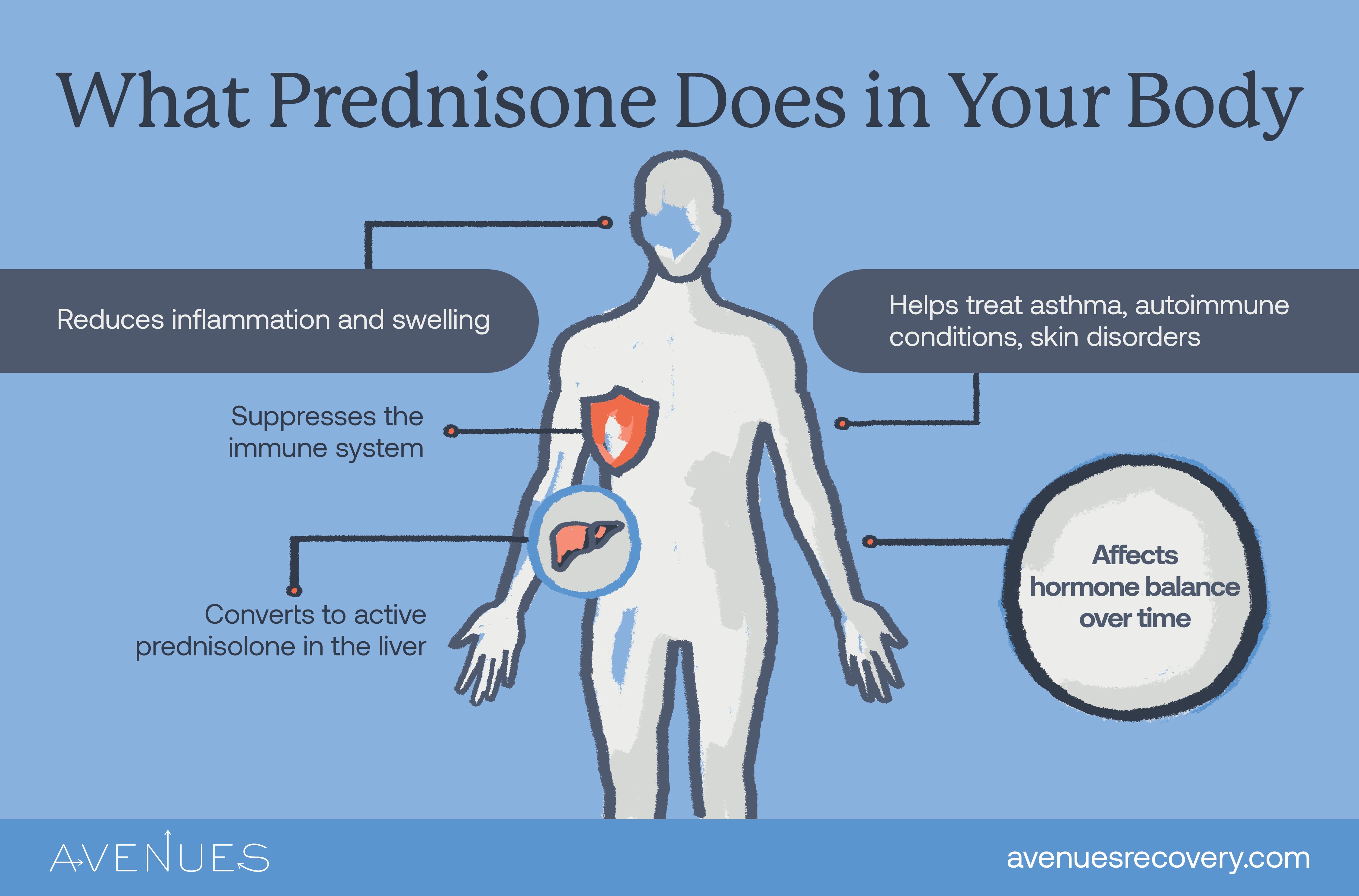
Prednisolone is prescribed for adults and certain children to treat:
- specific skin conditions, including severe psoriasis and Stevens-Johnson syndrome
- certain forms of arthritis, such as rheumatoid arthritis and psoriatic arthritis
- various endocrine conditions, including congenital adrenal hyperplasia
Continue reading to explore both mild and serious side effects associated with prednisolone. For additional information about its uses, dosage guidelines, and pricing, refer to this prednisolone overview.
Mild side effects of prednisolone
Mild reactions have been documented with prednisolone oral tablet and oral solution. These may include:
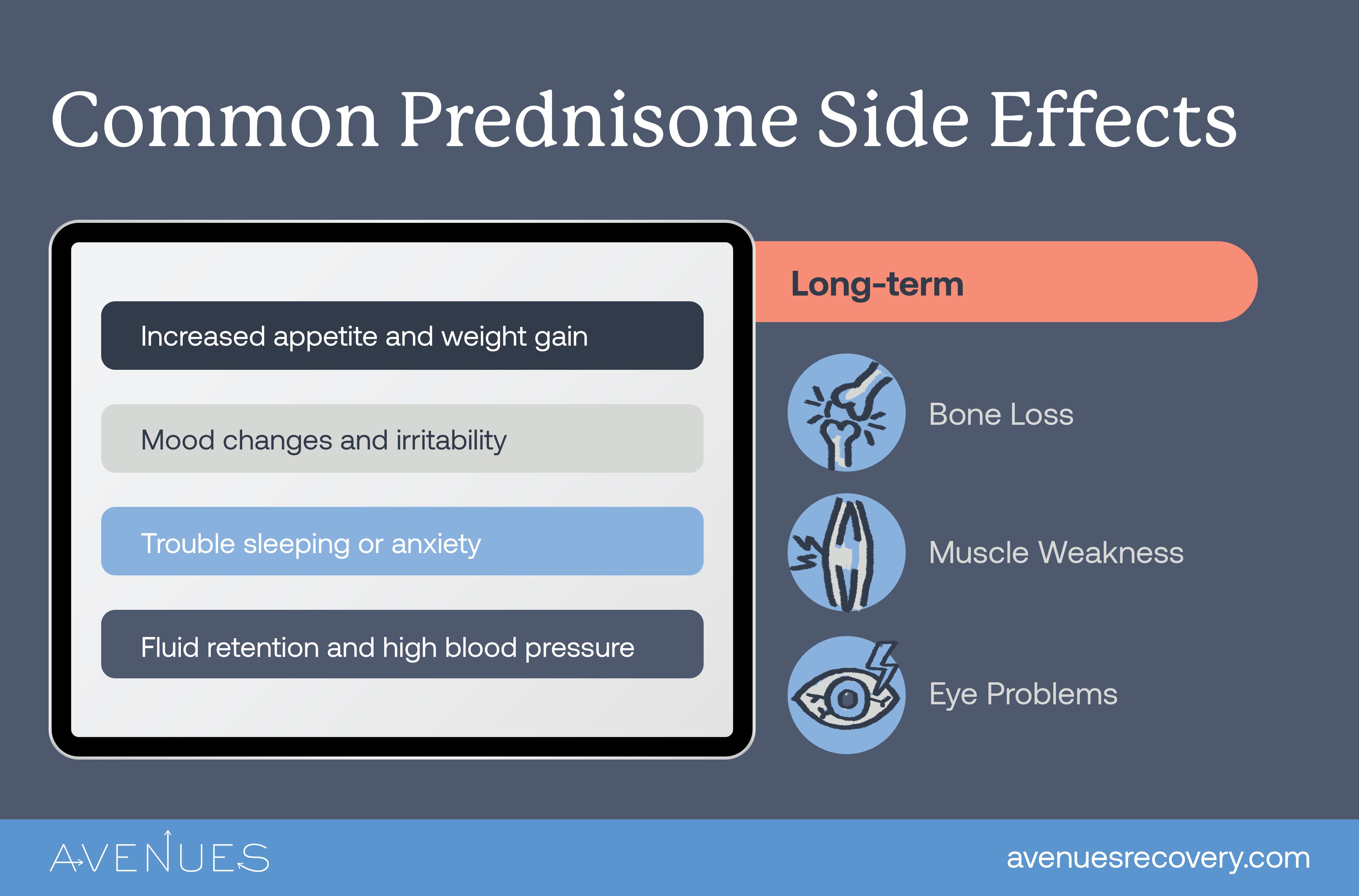
- salt and water retention (see “Tips for managing side effects” below)
- weight gain
- increased appetite
- hair thinning or loss
- nausea
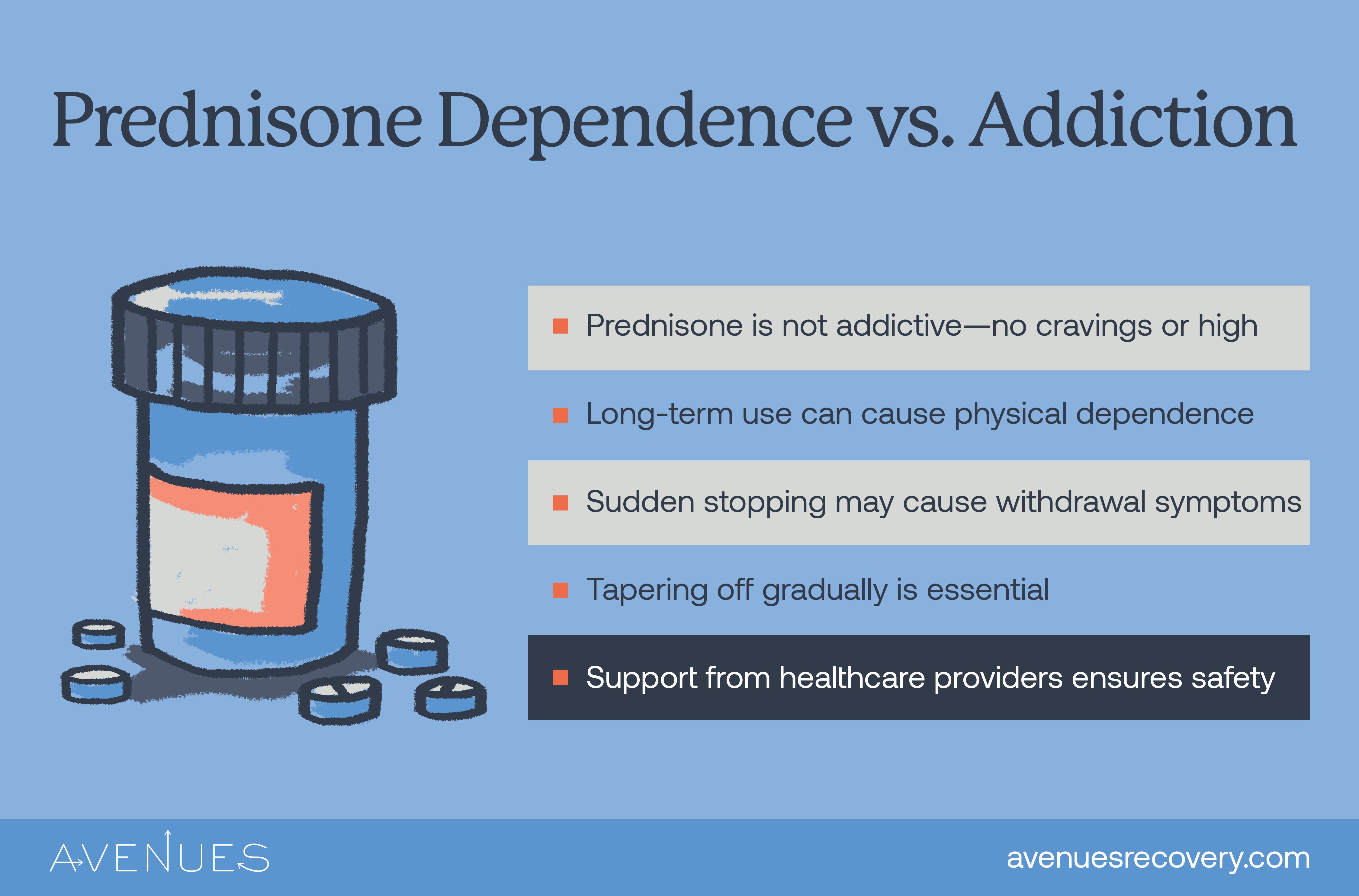
For most individuals, these effects are temporary and may improve as your body adjusts to the medication. Some can be managed with simple lifestyle measures. However, if symptoms persist or become bothersome, consult your doctor or pharmacist. Do not discontinue prednisolone unless your healthcare provider instructs you to do so.
Additional mild side effects may occur beyond those listed here. Review the prescribing information for prednisolone oral tablet and oral solution for comprehensive details.
Serious side effects of prednisolone
In some cases, prednisolone can result in more serious adverse effects. The list below does not cover every possible serious reaction. For complete safety information, consult the official prescribing details for prednisolone oral tablet and oral solution.
If you experience serious side effects while using prednisolone, contact your doctor immediately. If symptoms appear life threatening or you suspect a medical emergency, call 911 or your local emergency number without delay.
Reported serious side effects include:
- high blood pressure (see “Tips for managing side effects”)
- high blood sugar
- changes in mood or behavior, such as depression, psychosis, or insomnia
- Cushing’s syndrome (a disorder linked to elevated levels of the hormone cortisol)
- adrenal insufficiency (when your adrenal glands do not produce enough hormones)
- greater susceptibility to infection
- osteoporosis
- vision issues, including glaucoma and cataracts
People with underlying endocrine disorders often wonder, Does prednisone affect thyroid medication or trigger complications such as Prednisone thyroid storm? Although corticosteroids are sometimes used in specific thyroid emergencies, they can also influence hormone levels and laboratory results. Close monitoring by your healthcare provider helps reduce risks and ensures safe coordination between steroid therapy and thyroid treatment.
Note: After the Food and Drug Administration (FDA) approves a medication, it continues to monitor reported side effects. Sharing your experience contributes to improved drug safety by giving healthcare professionals and researchers more real-world data. If you develop a side effect while taking prednisolone and wish to report it, visit MedWatch or call 800-FDA-1088.
Allergic reaction In some individuals, prednisolone may trigger an allergic reaction. It is unclear whether this occurred in studies of the oral tablet or oral solution forms. Symptoms can range from mild to severe.
What might help If you develop mild signs of an allergic reaction, such as a minor rash, contact your doctor promptly. They may recommend treatment to ease symptoms and decide whether you should continue prednisolone.
If you notice severe symptoms, including swelling or difficulty breathing, call 911 or your local emergency number immediately. These signs can be life threatening and require urgent care.
If your doctor determines that you’ve experienced a serious allergic reaction to prednisolone, they may advise switching to another therapy.
Optum Now is operated by RVO Health. By clicking this link, we may receive a commission. Learn more.
Tips for managing side effects
During treatment with Prednisolone, certain practical steps may help lessen side effects and support overall well-being.
If side effects persist, worsen, or interfere with daily life, speak with your doctor or pharmacist. They can recommend symptom-management strategies or discuss other treatment approaches if needed.
Salt and water retention
Salt and water retention (fluid buildup) was observed in studies of prednisolone oral tablet and oral solution. You may find relief by:
- elevating your legs above heart level several times daily if swelling affects your lower limbs
- reducing salt intake in your meals
- asking your doctor whether prescription medications, such as diuretics, are appropriate
High blood pressure
High blood pressure has also been reported in studies of prednisolone oral tablet and oral solution. To help manage this risk:
- engage in regular physical activity, as approved by your healthcare provider
- reduce stress through relaxation practices such as meditation or yoga
- follow a balanced, heart-healthy diet
- consult your doctor about whether medications, including beta-blockers, may be necessary
Precautions for prednisolone
Before starting prednisolone, review your full medical history with your doctor. This medication may not be suitable for individuals with certain health conditions or risk factors. Be sure to inform your healthcare provider if you have any of the following:
- high blood pressure
- low bone density or osteoporosis
- a history of tuberculosis or amebiasis
- recent exposure to chickenpox or measles
- an active infection, including HIV or AIDS
- thyroid problems, such as underactive thyroid or overactive thyroid
- cirrhosis
- kidney problems, including kidney failure
- heart conditions, such as heart failure or a recent heart attack
- digestive disorders, including diverticulitis or a peptic ulcer
- eye conditions such as glaucoma
- a history of mental health disorders
- neuromuscular conditions, including myasthenia gravis
- a bleeding disorder or current aspirin use
- a previous allergic reaction to prednisolone or similar medications
- pregnancy
- breastfeeding
Disclaimer: HealthEH has made every effort to ensure that all information is accurate, thorough, and current. However, this article should not replace the advice and expertise of a licensed healthcare professional. Always consult your doctor or another qualified provider before starting or changing any medication. Drug information may change and is not intended to include all possible uses, directions, precautions, warnings, drug interactions, allergic reactions, or adverse effects. The absence of a warning does not mean that a drug or drug combination is safe, effective, or appropriate for every patient or specific use.

















Leave a Reply
You must be logged in to post a comment.