
You’ve likely heard mixed messages about soy over time — some favorable, some less so.
Now that you’re expecting, you may be wondering whether soy-containing foods are okay for you and your developing baby.
The reassuring news is that soy can be included in your meals in moderate amounts.
Below we explain what that means, outline some benefits and possible downsides of soy, and highlight which soy-based foods are better choices during pregnancy.
What is soy?
Soy appears in many different foods. You’ll often spot it on labels for veggie burgers, tofu, or the obvious choice — soy milk.
It’s derived from soybean plants and is classified as a legume. Soybeans supply a substantial amount of plant-based protein, have low saturated fat, and provide a notable amount of dietary fiber.
Typical soy foods include:
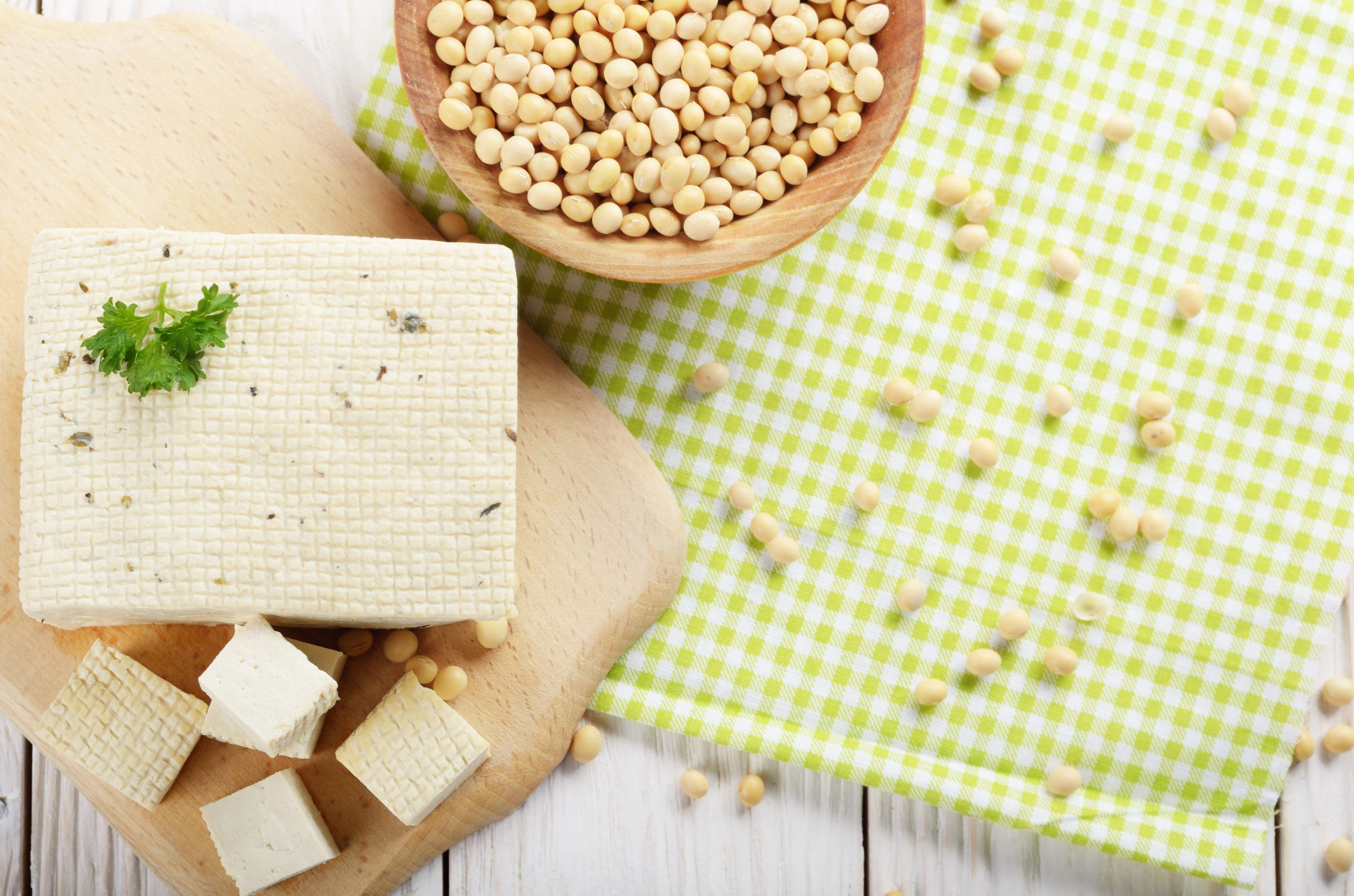
- Edamame. These are young soybeans that are usually boiled and lightly salted before eating.
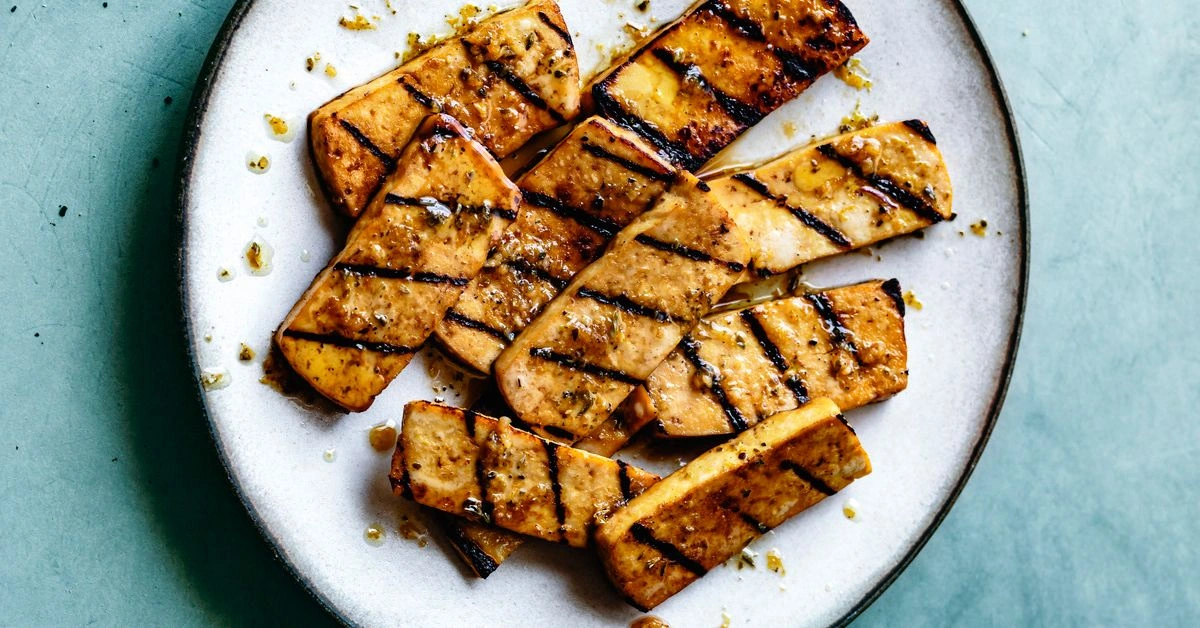
- Tofu. A curdled soy milk product, tofu is sold in blocks with varying textures (silken, firm, extra firm) and readily takes on flavors during cooking.
- Tempeh. Fermented soybeans combined with rice, millet, or other grains and pressed into a cake. Like tofu, tempeh works well with marinades and in many recipes.
- Textured soy protein. Also referred to as TSP or TVP, this is made from textured soy flour or soy protein concentrates. It’s protein- and fiber-rich and needs to be rehydrated (gives a chewy texture) before eating.
- Processed meat substitutes. Veggie burgers, soy nuggets, soy hot dogs, soy bacon, and similar products are examples of faux meats that often use soy as a base.
- Soy milk. Either refrigerated or shelf-stable, soy milk is produced by soaking, blending, and straining soybeans with water. It can be unsweetened, sweetened, flavored (chocolate, for instance), or fortified. You’ll also find soy creamers and dairy-style soy products such as yogurts or cheeses.
- Miso paste. A savory paste made from fermented soybeans, commonly used to add flavor in cooking (for example, miso soup).
- Soy sauce. A salty condiment made from fermented soybeans. Varieties you may see include shoyu, teriyaki, or tamari, each containing different additional ingredients.
- Soy nuts. Roasted soybeans with a nutty taste. They’re rich in protein and fiber, and sometimes roasted soy nuts are ground into a spread similar to peanut butter.
You may notice several of these items are fermented. Evidence suggests fermented soy products can be easier to digest than nonfermented ones, according to a 2019 review.
During fermentation, microbial enzymes help break down proteins and may enhance the food’s nutritional value and the body’s ability to absorb nutrients.
Benefits of soy during pregnancy
People in parts of Asia generally eat more soy than those in other regions. A 2020 analysis suggests this higher intake may partly explain lower rates of conditions like heart disease, stroke, and some cancers in those populations.
What about benefits that relate specifically to pregnancy?
Improved mood
Consuming soy foods might help protect against depression during pregnancy.
A 2018 Japanese study surveyed more than 1,700 women about mood and soy intake. Miso paste showed the strongest association with improved mood; soy milk did not show much effect.
Blood sugar regulation
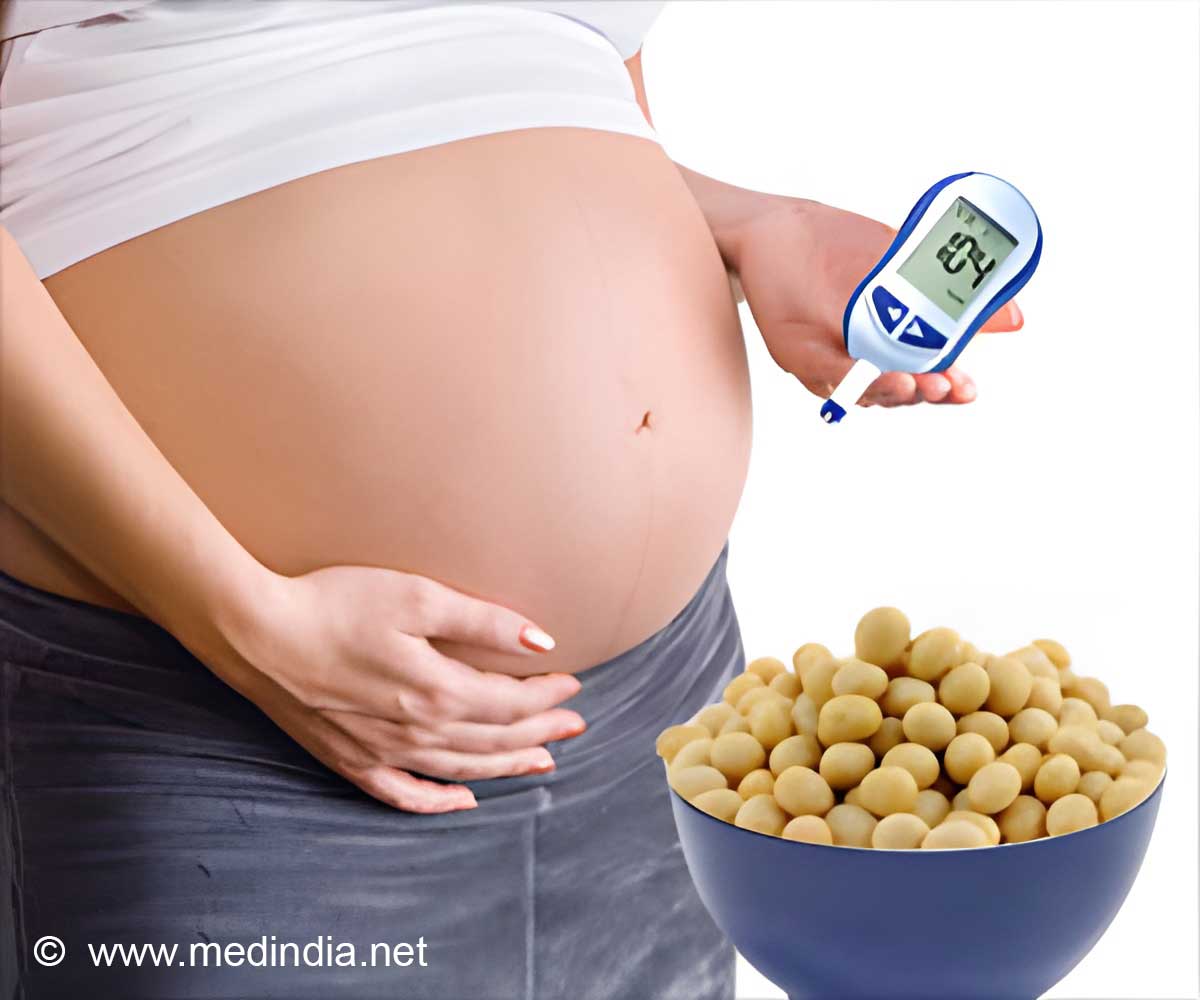
Soy may assist with blood sugar and cholesterol control in people with gestational diabetes.
In one 2015 trial, participants consumed 50 grams of soy daily after the 26th week of pregnancy. The study was small (68 participants), so clinicians recommend consulting your healthcare provider before making major dietary changes.
Plant-based protein source
During pregnancy, aim for at least 60 grams of protein per day.
Soy is an excellent plant protein choice and can be particularly valuable for vegetarians and vegans who need to increase nutrient intake while pregnant.
Possible protection against anemia (inconclusive)
Anemia is common in pregnancy and can cause fatigue, weakness, headaches, and more.
An older 2008 study (not focused only on pregnant people) linked regular tofu consumption with lower anemia rates in men and women.
However, evidence is mixed, so if you have anemia, discuss treatment with your clinician.
Related: 13 foods to eat when you’re pregnant
Risks of soy during pregnancy
The discussion about soy often centers on a compound called isoflavones — plant estrogens (phytoestrogens).
These molecules resemble the hormone estrogen, which is involved in female sexual development, menstrual cycles, and pregnancy.
Experts are uncertain whether phytoestrogens act the same way as human estrogen, and studies have produced conflicting outcomes.
Other possible concerns linked to soy include:
Toxic metals
Limited research, like a 2012 paper, indicates soy foods might contain toxic minerals or heavy metals such as cadmium.
Researchers found that eating tofu could be associated with notable cadmium levels in the urine of premenopausal women. Smoking is another major risk factor for elevated cadmium.
That said, cadmium is also present in other nutrient-rich foods, including shellfish and other legumes. Avoiding every cadmium-containing food would mean losing many beneficial choices.
Other considerations include:
- Aluminum. Some sources, like the Deirdre Imus Environmental Health Center, claim tofu and other soy items may contain aluminum, which is concerning because aluminum can act as a neurotoxin. However, there’s limited scientific evidence supporting these assertions. Aluminum also occurs naturally in many fruits and meats.
- Genetically modified organisms (GMO). In the U.S., about 94 percent of soy crops are genetically modified. Some raise concerns that GMO crops could affect health (more allergenic or toxic, or lower in nutrients), though evidence is debated.
- Absorption interference from phytic acid. Soy and other legumes contain phytate (phytic acid), an “antinutrient” that can reduce absorption of minerals like iron, zinc, magnesium, and calcium.
- Absorption interference from lecithins. Soy, beans, and peanuts contain lecithins, another antinutrient that may affect uptake of calcium, iron, phosphorus, and zinc.
Could excessive soy in pregnancy hurt the baby?
Some studies, including a 2013 review, have examined associations between soy and a congenital urological condition called hypospadias.
Hypospadias is when the urethral opening is situated on the underside of the penis rather than at the tip. It’s usually not life-threatening and can be corrected surgically.
Although hormones or chemical exposures during pregnancy can contribute to hypospadias, most cases lack a clear cause or are genetic. More research is required to determine any role soy might play.
A 2016 animal study in rats suggested that very high prenatal soy exposure could suppress offspring immune function and lead to lower birth weights, with effects observed only in female pups. Human studies confirming these findings are lacking.
Additionally, some 2012 research has looked at prenatal and early-life exposure to phytoestrogens and potential impacts on reproductive health, such as earlier puberty or reproductive tract issues. Much of the stronger evidence comes from animal models, not humans.
How much soy is recommended during pregnancy?
Guidance from organizations like the American College of Obstetricians and Gynecologists and the U.S. Soybean Export Council indicates that moderate soy intake is acceptable during pregnancy.
However, there aren’t official, universally agreed-upon limits on exact amounts.
Examples of what constitutes moderate soy servings include:
- 1 cup of soy milk
- 1/2 cup of tofu
- 1/2 cup of tempeh
- 1/2 cup of soy-based meat substitute
- 1/2 cup of soybeans
Individual needs vary, so your healthcare provider may advise differently based on your situation. If you regularly eat soy foods, ask your clinician how much is appropriate during pregnancy.
All types of soy are generally acceptable, but fermented forms (such as tempeh and miso) may be easier on digestion, according to a 2019 review.
Related: Nutritional needs during pregnancy
Additional tips for eating soy
If soy is new to you, you might wonder how to add it to your meals.
Whole-food soy options like tofu and tempeh are preferable to highly processed products (veggie nuggets, soy hot dogs), which often include extra additives and less nutritional value.
Simple ways to include soy are:
- baked tofu tossed into a salad with a favorite dressing
- pan-fried tempeh in a stir-fry with your preferred sauce
- soy milk poured over your morning cereal
- edamame added to a vegetable side dish
- soy protein used instead of ground beef in chili
Tofu absorbs flavors well. For deeper flavor, use extra-firm tofu, drain and press it for 15 minutes with a tofu press, and marinate it for at least 24 hours before cooking.
The takeaway
Soy can be a nutritious part of your pregnancy eating plan. If you have questions about the amount that’s right for you, talk with your healthcare provider.
Limiting intake to a serving or two per day is likely safe and may even offer some health advantages.
Make sure the rest of your diet is balanced with fresh fruits, vegetables, whole grains, other lean protein sources, and plenty of fluids.


















Leave a Reply
You must be logged in to post a comment.