
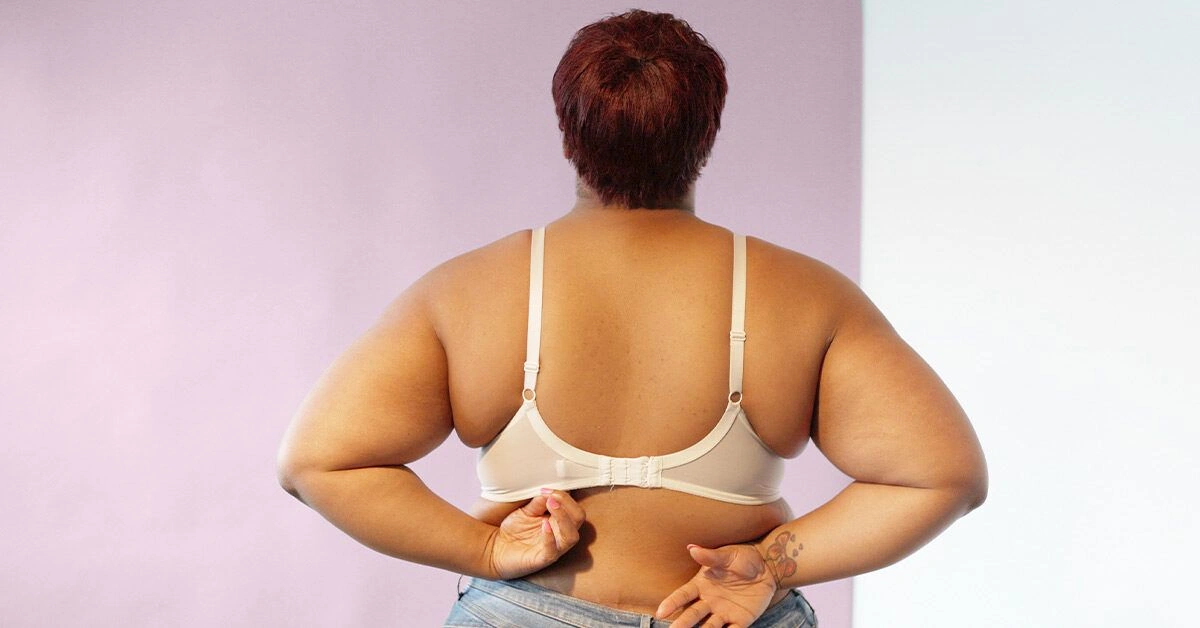

Extra tissue around the armpits can stem from body weight, inherited traits, and other factors. Strengthening the chest and upper-arm muscles may help lessen its visibility.
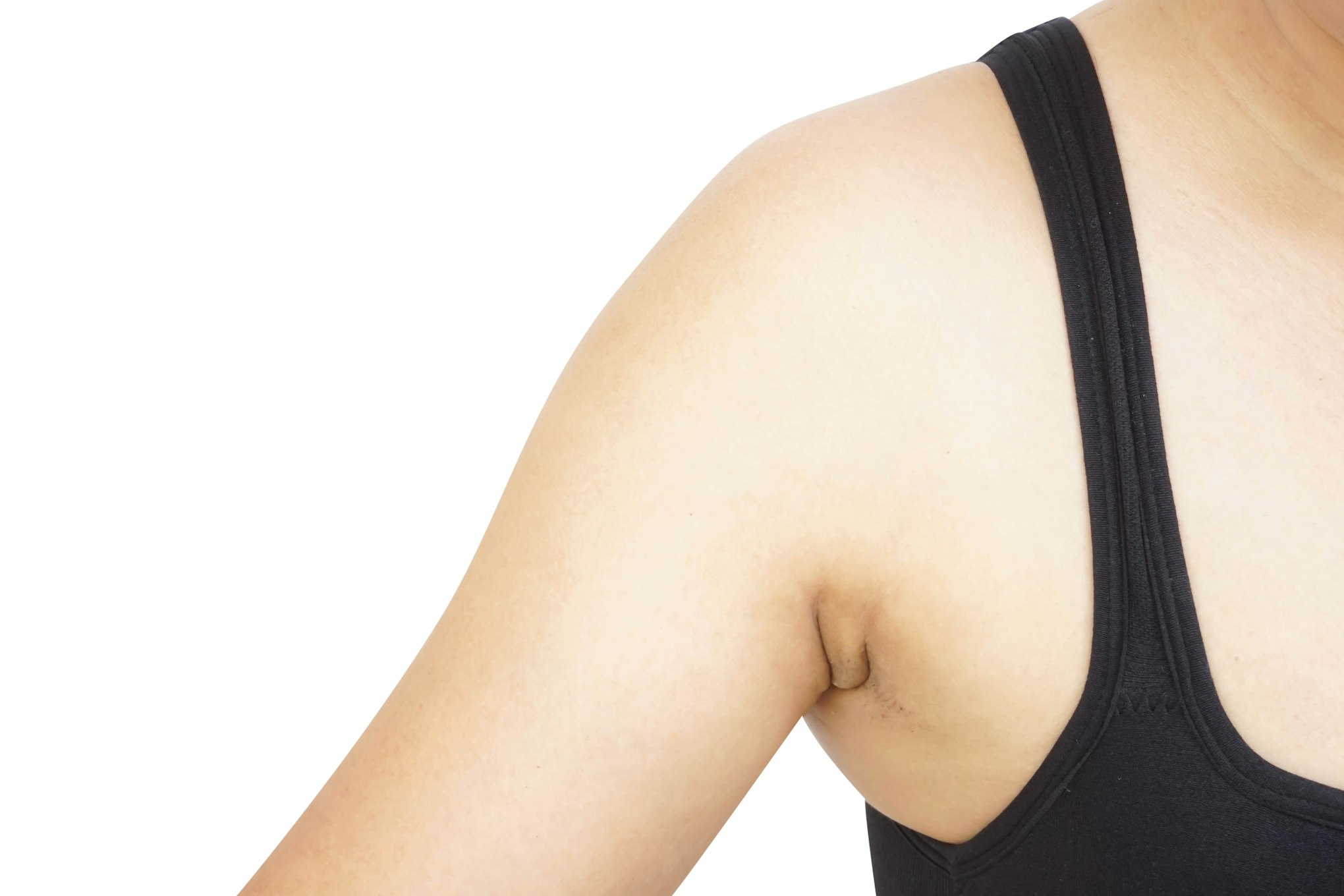
Take a casual stroll where people are wearing sleeveless outfits, and you’ll likely notice some folds of skin or tissue near the underarm — what many refer to as armpit fat.
Individuals of various shapes, ages, and body types can develop additional fat around the chest and underarm area. Snug clothing can also push breast tissue outward, creating the illusion of underarm bulges.
No matter the reason, underarm fat is a normal feature for many people.
Keep reading to find out what leads to fat in the armpit region and what steps you can take to reduce how prominent it looks if it bothers you.
What leads to fat in the armpit area?
Armpit fat can affect people of any sex, though it tends to be reported more often in women than in men.
Ill-fitting tops or bras that are too tight can squeeze skin and tissue between the breasts and armpits, making it appear as though there is excess underarm fat.
Beyond clothing, several factors contribute to this appearance. Below are some of the most frequent causes.
Genetics
How and where your body stores fat is largely dictated by heredity and genetic influences.
One major study identified numerous genetic elements that influence fat distribution. The research also suggested that fat storage patterns in people with vulvas may be more strongly affected by genetics compared with people who have penises.
If members of your family have noticeable armpit fat, you might be more inclined to have it as well.
Weight
When someone carries extra weight, fat can accumulate in and around the armpit area. Genetics largely determine where surplus fat settles.
With excess body fat, subcutaneous tissue can gather near the underarms, and weight gain often enlarges the breasts and the surrounding region.
Reducing weight through a healthy diet and regular exercise can lessen underarm fat. However, researchshows it’s difficult to selectively remove fat from a specific spot.
Hormonal changes
Breast tissue is responsive to hormonal shifts tied to puberty, pregnancy, menstrual cycles, and menopause.
Fluctuations in estrogen and progesterone can cause the breasts to feel fuller. During pregnancy, the hormone prolactin promotes breast enlargement in preparation for milk production.
These hormonal variations can make the area between the breast and armpit look fuller or puffier.
Axillary breast tissue
Sometimes what seems like armpit fat is actually extra breast tissue, known as axillary breast or accessory breast tissue.
This occurs when breast tissue develops outside the usual breast boundary, most commonly in the axilla (armpit).
Axillary breast tissue is relatively uncommon. Evidence suggests this congenital variation affects roughly 2–6 percent of women and 1–3 percent of men.
Like other breast tissue, accessory breast tissue reacts to hormonal changes; varying estrogen and progesterone levels can make the underarm area seem more pronounced or lumpy during pregnancy or before a period.
Lymphedema (swollen lymph nodes)
Lymph nodes are glandular tissues found throughout the body. Lymphedema happens when the nodes in the armpit (axillary lymph nodes) become enlarged.
Swollen lymph nodes can result from infections or injuries to the arm or hand. Conditions such as breast cancer and lymphoma are other possible causes.
Posture
Poor posture doesn’t create armpit fat, but it can make existing folds more noticeable.
If your shoulders tend to roll forward, adopting a more upright stance may help visually reduce the prominence of extra skin in the underarm area.
How can you minimize the appearance of armpit fat?
Below are strategies that can lessen or conceal underarm fat:
- Lose excess weight to reduce fat stores across your body, including the armpits.
- Increase muscle in the chest and upper arms.Armpit fat can be stubborn against exercise, but strengthening the chest and toning the upper arms can tighten the area and diminish its visibility. Gaining muscle also elevates calorie burn, supporting overall fat loss.
- Wear properly fitting undergarments.A well-fitting bra can make a noticeable difference. Many people unknowingly wear bras that are too tight, which push skin and tissue out toward the sides of the breast.
- Talk with your doctor about surgical options.If accessory breast tissue significantly impairs your quality of life, a physician may suggest liposuction to remove it. Liposuction is a common cosmetic procedure that extracts soft fat from targeted areas. When axillary breast tissue is extensive, open surgical excision may be advised.
When is medical care warranted?
Armpit fat usually isn’t caused by a disease and often isn’t medically concerning.
See a clinician if you notice changes in your armpit, such as swelling, a new lump, or if you experience limited arm mobility. Excess accessory breast tissue can sometimes reduce arm function.
If you’re distressed about the way your underarm area looks and want to explore removal options, consult a healthcare professional for guidance.
Bottom line
Underarm fat is a common feature among adults. While extra weight is a frequent contributor, genetics and hormones can also influence its presence.
In some cases, the fullness near the armpit is actually axillary breast tissue — breast tissue located in or near the armpit.
Speak with a doctor if extra breast tissue is affecting your life or causing concern.





















Leave a Reply
You must be logged in to post a comment.