

Your diaphragm is a key muscle that facilitates breathing. When it moves opposite to how it should, the pattern is known as paradoxical breathing.
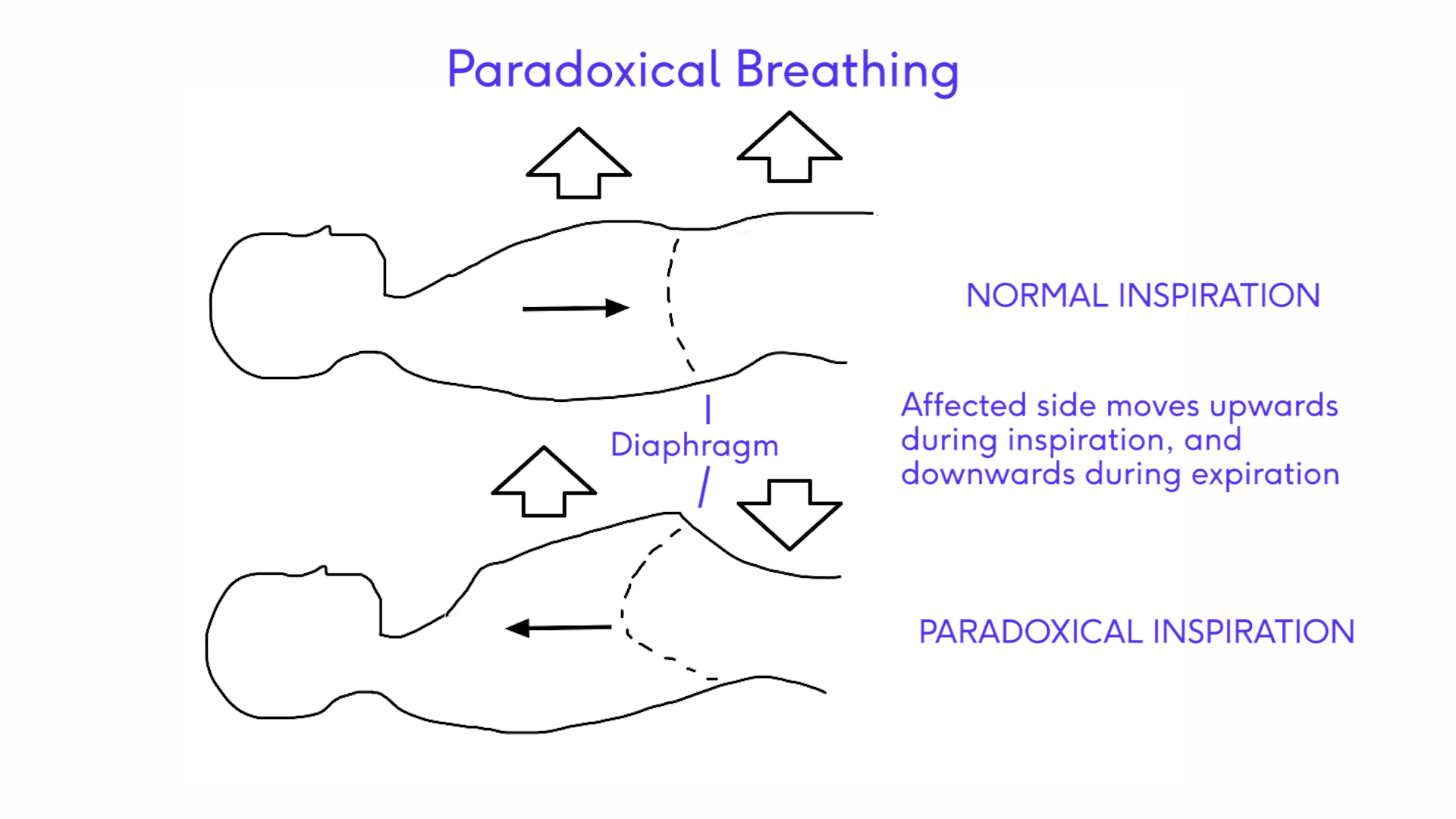
Paradoxical breathing indicates that your breathing is impaired. It happens when the diaphragm shifts in the reverse direction during inhalation and exhalation compared with normal mechanics.
Under normal circumstances, your diaphragm (the muscle separating the lungs and abdomen) moves to regulate airflow.
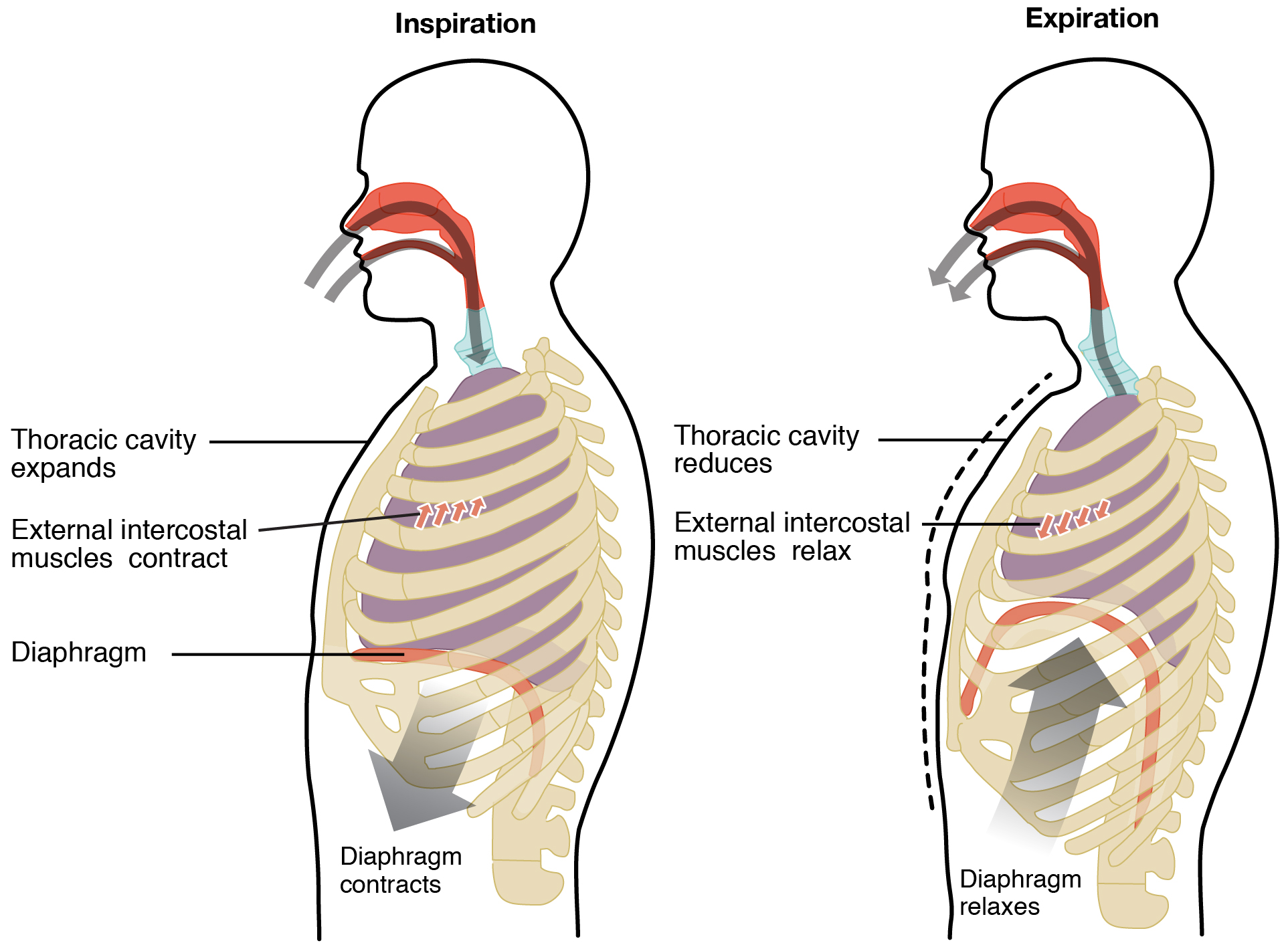
During inhalation, the lungs expand and the diaphragm moves downward to lower pressure in the chest cavity, making space for air to fill the lungs.
During exhalation, the diaphragm relaxes or moves upward, assisting in expelling air from the lungs.
With paradoxical breathing, the chest wall collapses inward while inhaling and bulges outward during exhaling.
Below, we explain why paradoxical breathing happens, the conditions that may trigger it, and the available treatment options.
What are the symptoms of paradoxical breathing?
Symptoms arise because oxygen intake is compromised. They may include:
- shortness of breath (dyspnea)
- excessive daytime sleepiness (hypersomnia)
- persistent fatigue that sleep doesn’t relieve
- frequent nighttime awakenings
- reduced exercise tolerance
- unusually rapid breathing (tachypnea)
These signs warrant a visit to your physician, as they can also indicate other serious illnesses.
What causes this type of breathing?
Paradoxical breathing stems from what clinicians call diaphragmatic dysfunction. This issue can be challenging to identify. Researchers do not fully understand all triggers, but several conditions raise the likelihood of developing paradoxical breathing:
Obstructive sleep apnea
This disorder interferes with oxygen inflow and carbon dioxide removal. Over time, the chest wall can cave inward instead of expanding, contributing to paradoxical breathing.
Chest wall trauma or injury
Trauma can detach portions of the rib cage from the chest wall. The detached segment may fail to expand with inhalation and can even be drawn inward, producing paradoxical movement.
Nerve disruption
Phrenic nerves govern diaphragm motion and other torso muscles. Damage to these nerves can upset normal muscle coordination and alter breathing mechanics.
This nerve impairment can result from neurodegenerative illnesses such as multiple sclerosis, muscular dystrophy, and Guillain-Barré syndrome. It may also be caused by lung cancer or traumatic chest injuries.
Mineral deficiencies
Low levels of minerals like potassium, magnesium, and calcium can affect respiratory function. For instance, insufficient calcium can disturb nervous system signaling and impair breathing.
Weakness of respiratory muscles
When the muscles that support breathing become weak, breathing patterns can become abnormal. Neuromuscular diseases such as multiple sclerosis and amyotrophic lateral sclerosis (ALS) are common causes.
How is paradoxical breathing diagnosed?
Your clinician will start by asking about your symptoms and medical history. They typically perform tests to check blood oxygen and carbon dioxide levels, using blood draws or a pulse oximeter placed on a finger.
Additional tests your doctor might request include:
- fluoroscopy (a type of dynamic X-ray)
- pulmonary function testing
- maximal static inspiratory pressure (MIP)
- sniff nasal inspiratory pressure (the “sniff test”)
Specialists like radiologists and pulmonologists may also order imaging studies of the torso to better evaluate the problem, such as:
- ultrasound
- chest X-ray
- diaphragm electromyography
- CT scan
- MRI
How is paradoxical breathing treated?
In many cases, paradoxical breathing can resolve once the underlying issue is addressed. For example, if a nutrient deficit is the cause, supplementation or dietary changes may correct the problem.
Clinicians can also prescribe therapies to relieve symptoms. Nocturnal invasive ventilation benefits individuals with elevated carbon dioxide or reduced oxygen levels. For sleep-related problems, continuous positive airway pressure (CPAP) may be used to help.
Persistent or severe cases might require surgical intervention. Patients with traumatic rib or lung injuries commonly need surgery for effective treatment.
When the diaphragm is paralyzed, surgeons may perform surgical plication to improve lung expansion. This procedure flattens the diaphragm to create more room for the lungs.
People reliant on ventilators might be candidates for phrenic pacing, a device that stimulates the phrenic nerves to prompt diaphragm contractions.
Paradoxical breathing in children
While paradoxical breathing is concerning in adults, it can be normal in infants and very young children.
An infant’s chest and lungs are not fully mature. Their chest wall is more compliant, and occasionally the diaphragm moves in a way that makes breathing appear irregular.
This pattern is typically benign if the belly expands during inhalation, indicating that air is entering the lungs.
However, watch for other indicators of respiratory distress. These include:
- coughing
- difficulty breathing or shortness of breath
- very rapid respirations
- grunting or wheezing
- skin turning blue (cyanosis)
If you observe any of these signs along with paradoxical breathing, contact your child’s pediatrician. Seek emergency care if the skin between the ribs is drawn in with each breath or if the child appears to be struggling for air.
After about 2½ years of age, paradoxical breathing becomes uncommon and is rare in older children. If it appears after that age, evaluation by a physician is advised.
What’s the outlook for paradoxical breathing?
Paradoxical breathing is generally a manifestation of diaphragmatic dysfunction and can have numerous underlying causes, such as nerve disorders, trauma, or infection. Treating the root cause often improves or resolves the breathing abnormality.
If you have breathing difficulties, consult your doctor. They can perform tests to exclude life-threatening conditions.
Many causes of paradoxical breathing are not correctable solely by lifestyle changes, but you can slightly lower your risk by:
- eating a balanced, nutritious diet
- keeping a healthy body weight
- limiting alcohol consumption and avoiding smoking
- strengthening core muscles
How to breathe better
Breathing is an automatic, finely tuned process that your body manages without conscious effort.
Still, adopting better breathing habits can increase oxygen delivery and keep your lungs supple. Helpful techniques include:
- Breathing through your nose. Nasal breathing helps regulate airflow more effectively than mouth-breathing. It also conditions incoming air—filtering particles and warming and humidifying it—reducing airway irritation.
- Occasional deep breaths. At rest, your breathing may not fully inflate the chest. Periodically take deep breaths into your belly—your abdomen should expand on inhalation—to exercise the lungs and stimulate the diaphragm.
- Avoid overthinking breathing. Breathing is typically best left to the body’s natural rhythm. Trying to micromanage your breath can raise anxiety and produce irregular breathing, increasing discomfort and fatigue. Keep within your normal pattern rather than forcing changes.
Also, if you’re interested in related breathing concerns, read more about heavy breathing as it can be connected to similar respiratory issues.
Takeaway
Paradoxical breathing is often normal in infants but should still prompt monitoring for breathing distress. Parents should consult their child’s doctor if they notice this pattern so the child’s breathing can be observed for spontaneous improvement.
In adults, paradoxical breathing is uncommon and usually signals an underlying respiratory or neuromuscular problem that can be serious if untreated. Seek urgent care if you have paradoxical breathing accompanied by other breathing problems.
With an accurate diagnosis and appropriate therapy, paradoxical breathing can often be treated or at least prevented from worsening and causing further complications.






















Leave a Reply
You must be logged in to post a comment.